What’s the difference between dry tumbling media and vibratory media? Let’s cut to the chase, since if you’re here, you’re probably not here for a textbook-level lecture—you’re either testing which media works for your parts, tired of bad finishes that waste time (and materials), or just wondering why that one buddy swears by tumbling and another swears by vibratory. First off, I’m a dry tumbling media supplier, so I’ve got skin in this game, but I’m not gonna sh*t on vibratory media entirely. Both have their lane, and picking the wrong one is a fast track to frustration. Let’s break this down like we’re geeking out over parts, not selling you something. Dry Tumbling Media
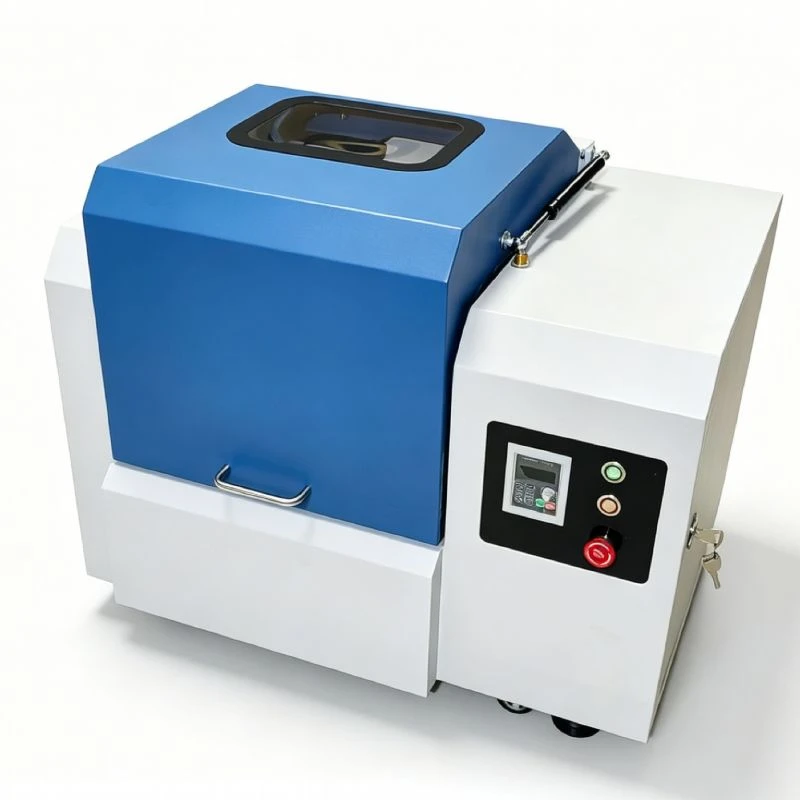
First, let’s start with what actually each of these is, because way too many small ops mix them up. Dry tumbling media is… well, it’s hard, usually granular or shaped stuff (aluminum oxide, ceramic, even plastic—depending on your need) that moves via rotation. You load a barrel, spin it slow and steady, the media cascades and rubs against your parts. No water, no chemicals, just dry, solid matter doing the work. Vibratory media? That’s anything that gets tossed in a vibratory tub or bowl, where the whole container shakes (usually at high frequency, low amplitude) so the media tumbles and shears against parts. Some vibratory setups are wet, some dry, but the key here is the motion—vibration, not rotation. I see guys at local metal shops mix these up all the time: they grab my dry media for a vibratory rig, and wonder why nothing’s smoothing out. Spoiler: motion matters more than the media itself, sometimes.
Let’s talk about the core use cases, because that’s where the rubber meets the road. Dry tumbling media (the stuff I supply) is made for tough, dry jobs. Think: cutting burrs off machined steel parts, smoothing cast aluminum where you don’t want water soaking in, prepping parts for powder coating (no residual water or chemicals left behind, that’s a big one). For example, if you’re making small gear parts for a lawnmower, and you just milled them, leaving sharp edges that’ll catch on someone’s shirt—dry tumbling with our aluminum oxide media will knock those edges down in an hour, no mess. And because it’s dry, you don’t have to dry parts afterward, which saves a ton of time for small shops that don’t have an oven or a parts dryer.
Vibratory media, on the other hand, is way more versatile for delicate stuff. If you have tiny, intricate parts—like jewelry findings, or electronic connectors, or small medical components that have super detailed crevices—vibratory motion lets media get into spots that rotating tumbler can’t. The shake is gentler on fragile parts, too. I’ve seen a jewelry maker use vibratory media to polish tiny ring bands with embedded stones, and not a single stone got loose, because the media’s motion is more even, less violent than a rotating barrel. But here’s the catch: a lot of vibratory jobs are wet, so if you’re dealing with parts that can’t get wet (like some raw cast metals that rust fast, or parts that need to stay 100% dry for assembly), vibratory might not work. And even dry vibratory media tends to leave a little dust, whereas dry tumbling media’s cascading motion is more controlled, so less mess on parts.
Next up: speed and throughput, which is the big one for shops that don’t have all day. Let’s be real—dry tumbling is slower. You load a barrel, spin it for 4-8 hours, maybe longer for heavy burrs. That’s why it’s great for jobs where quality is king, not speed. But vibratory? Way faster. Because the vibration creates a more consistent, high-contact between media and parts, you can get a finish in 1-3 hours, even for larger batches. I get it—if you have a 1000-part order due next week, you’re grabbing vibratory. But wait, there’s a tradeoff. Dry tumbling gives a more uniform finish across all parts, even if it takes longer. With vibratory, if you overfill the tub, you get spots where parts aren’t moving, so some are polished, some are still rough. With a dry tumbler, as long as you fill the barrel ⅔ full (the rule everyone forgets), all parts get equal exposure.
Wear and tear is another thing that no one talks about enough. Dry tumbling media wears down slower, because the cascading motion is gentler on the media. My ceramic dry media, for example, lasts 50-100 cycles before you need to top it off. Vibratory media? It wears way faster, because all that constant shaking and shearing makes the media grind itself down. If you’re running a vibratory rig 8 hours a day, you’ll be buying new media every 20-30 cycles, which adds up. And wait, parts: which one beats up parts less? It depends on the part. Delicate, thin parts—vibratory, hands down. Thicker, heavy parts that can handle a little force—dry tumbling, because the media is heavier and more aggressive when you need it to. I had a guy last month, a steel stamping shop, who was using vibratory for thick brackets, and they were getting dented because the vibratory motion makes parts bounce off each other. Switched to dry tumbling, no dents, same burr removal, and he’s only buying media once a month instead of twice a week. That’s a win.
Cleanup is a close second to throughput for small shops. Dry tumbling: when you’re done, you just sift the media out (we sell the right screens for that, fyi) and dump the parts, no water, no degreaser, no soaking. The media can be reused over and over, just add a little new media when it’s worn down. Vibratory, even dry vibratory, leaves media dust and fine particles all over the tub. You have to vacuum it out, wipe the tub down, and if it’s wet? You have to dry the parts, which takes time and energy. I’ve seen shops waste 2 hours a day on vibratory cleanup, which adds up to 10 hours a week—now that’s time you could be working on more orders.
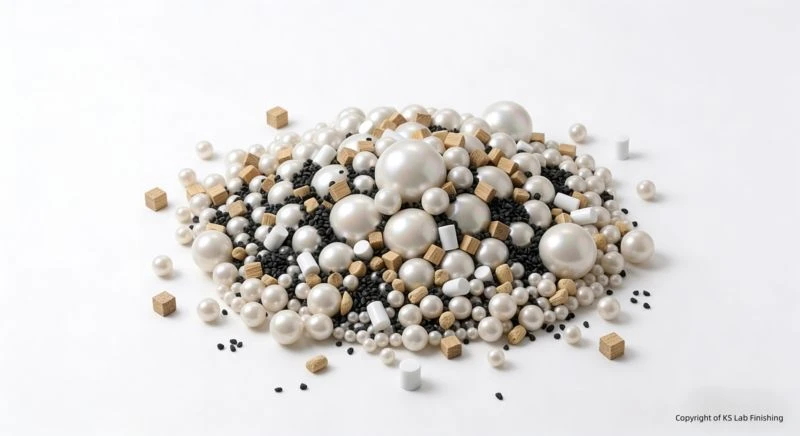
Wait, let’s address the elephant in the room: can you use them interchangeably? Short answer: sometimes, but not well. I’ve had customers come to me saying “I used your dry media in my vibratory tub and it didn’t work.” Let’s call that out. Dry tumbling media is shaped for cascading rotation—triangles, cylinders, that are meant to tumble down a barrel. In a vibratory tub, they don’t move right, so they don’t apply the same pressure. And vibratory media is usually smaller, made for fitting into tight spots, but if you throw that into a rotating dry tumbler, it will clump together, not flow, so your parts won’t get polished. It’s not just the material—it’s the shape and size engineered for the motion. That’s why a lot of generic media doesn’t work as well as one made for your machine. Which is why I sell media specifically sized for dry tumblers, so you don’t waste 4 hours testing the wrong stuff.
Another thing: residue and compatibility. If you’re prepping parts for painting, plating, or assembly? Dry tumbling is hands down better. No water, no chemicals, so there’s no residual moisture or degreaser left on parts. I’ve seen a plating shop that switched from vibratory (wet) to dry tumbling with my media, and their reject rate for plating went from 8% to 1%. Because no hidden water or oil left on the parts that causes plating imperfections. Vibratory dry media can leave tiny fines on parts, which you have to blow off, but dry tumbling’s media is larger, so the fines are minimal and easy to sift out. If you’re working with food-grade parts, or medical components, that’s a huge deal—you can’t have residue that gets into the final product.
Let’s talk about cost, because everyone cares about that. Upfront: dry tumblers are usually more expensive than vibratory tubs, right? But over time, media cost is lower. Like I said earlier, dry tumbling media lasts way longer. A vibratory rig might cost $1000, and media runs $50 a month. A dry tumbler might cost $1500, and media runs $20 a month. So after a year, vibratory is cheaper upfront, but if you’re running a tight ship, the dry setup saves you more over 2 years. Unless you’re doing tiny, delicate parts, where vibratory’s throughput makes up for the media cost. It’s a tradeoff, no one size fits all.
Wait, let’s give real examples so this isn’t just me rambling. Let’s say you have 500 small, sharpened drill bits that you need to deburr before selling to a hardware store. Dry tumbling media: load them up, spin for 3 hours, they come out smooth, no burrs, no water, ready to package. Perfect. Now, if you have 500 tiny, fragile electronic connectors with 0.5mm pins that need polishing? Vibratory media, because the pins are so small, dry tumbling media can’t get into the gaps without bending the pins. That’s where vibratory shines. Another example: a custom metal fabricator making 10 large steel brackets for a construction job. They have thick burrs from plasma cutting. Dry tumbling: the heavy media grinds those big burrs down, no dents on the thick brackets, done in 6 hours, no cleanup hassle. If they used vibratory, it would take 2 hours, but the brackets would get tiny dents from bouncing in the tub, which would make them unfit for construction.
A lot of people ask me, as a dry tumbling media supplier, “should I just use your stuff, even if I have a vibratory rig?” No, I’d never tell you that. If your workflow needs vibratory, use vibratory media. But if you’re dealing with parts that can’t get wet, need a uniform finish, or hate cleanup, dry tumbling is where it’s at. And here’s the kicker: a lot of guys I talk to who swear by vibratory for everything end up switching to dry tumbling once they have a job that’s too important to mess up. They’ll come back to me saying “that dry media I used? Cut my reject rate in half, and I save 3 hours a week on cleanup.” That’s the kind of win I live for.
Wait, let’s bust a common myth: “dry tumbling is only for small parts.” No, my company supplies large ceramic media for large parts, like engine blocks or heavy farm equipment parts. Vibratory can handle large parts too, but again, the motion is more likely to cause scratches. I had a farmer last year who had a rusty tractor axle that needed smoothing. Tried vibratory, got scratches all over the new metal, switched to my large, rounded ceramic media in a dry tumbler, no scratches, smoothed the rough spots, and the axle is good as new. That’s a job where dry media was perfect.
Another myth: “dry media is more abrasive.” No, it’s all about the media type, not the form. You can get soft dry media for polishing aluminum, or super hard dry media for heavy steel burrs. Same with vibratory—you get soft plastic vibratory media for polishing jewelry, or hard ceramic for heavy deburring. The motion determines how abrasive the finish is, mostly.
So to wrap this up, the key differences are super simple, no need for fancy terms: motion first. Dry tumbling uses rotation, good for tough, dry, delicate-to-messy parts, low long-term media cost, no residue. Vibratory uses vibration, good for tiny, intricate, fast-turnaround jobs, higher media cost, more cleanup. The media itself matters, but only if it’s built for your machine. If you’re using dry media in a vibratory rig, or vibratory media in a dry tumbler, you’re wasting time and money.
Now, if you’re stuck wondering which is right for your parts, or you’ve been testing media and getting bad finishes, hit me up. I’ve worked with everything from hobbyist guys running small tumblers to big manufacturing ops with 10+ rigs. I’ll help you figure out what media works, no sales pitch—just real talk from someone who’s been in the game for years. If you need to grab some dry tumbling media, or just ask questions about switching up your process, reach out. I’m here to make your tumbling work, not sell you something that doesn’t fit.
Dry Polishing Machine References:
- Surface Finishing, Materials Park: ASM International, 2019, pp. 112-128.
- "Tumbling vs. Vibratory Finishing: A Practical Guide", Industrial Finishing Journal, Vol. 47, No. 3, 2021, pp. 22-27.
- Ceramic Media for Mass Finishing, Norton Abrasives Technical Bulletin, 2020.
- "Waste Reduction in Mass Finishing Operations", Journal of Manufacturing Processes, Vol. 52, 2022, pp. 412-420.
KS Lab Finishing Co., Ltd.
As one of the most professional dry tumbling media manufacturers in China, we also support customized service. We warmly welcome you to wholesale durable dry tumbling media made in China here from our factory. If you have any enquiry about pricelist, please feel free to email us.
Address: No.11-14, Yantian Shuibei Commercial Street, Fenggang Town,Dongguan,China
E-mail: sales@kslabfinishing.com
WebSite: https://www.kslabfinishing.net/
