If you’re a dog owner who’s ever cared for a mother dog after she gives birth, you know how messy and stressful postpartum care can be. Between nursing puppies, monitoring the mother’s health, and keeping your home clean, even the most prepared pet parent can feel overwhelmed. That’s where dog diapers come in— but do they actually help with postpartum dog care, or are they just another pet product fad? As a dog diapers supplier who’s worked closely with veterinarians, foster dog parents, and breeders for years, I’ve seen firsthand how these products can make a huge difference, but I also know when they’re not the right fit. Let’s break down the science, the real-world use cases, and why they’re worth considering for your postpartum dog. Dog Diapers
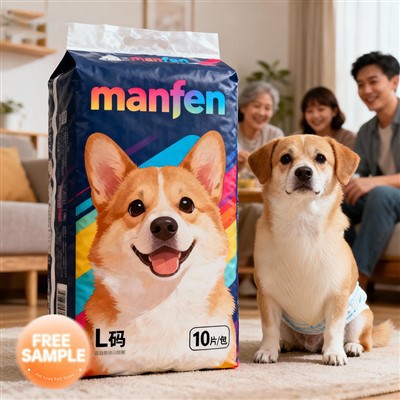
First, let’s ground this in what happens to a mother dog’s body after whelping (that’s the term for giving birth to puppies, by the way). When a dog delivers her litter, her uterus contracts back to its pre-pregnancy size over a period of 6 to 8 weeks—a process called involution. During this time, she’ll have a vaginal discharge known as lochia, which starts out dark red and brown for the first few days, then shifts to a lighter yellow or straw color as healing progresses. This discharge is normal, but it can stain carpets, furniture, bedding, and even your dog’s favorite blanket if you’re not proactive. Some mothers will lick the area excessively, which can lead to irritation, infection, or even self-trauma if the discharge is uncomfortable. That’s where dog diapers step in.
From a scientific standpoint, a well-fitting, high-quality dog diaper acts as a protective barrier against lochia. It contains the discharge so it doesn’t spread around your home, which reduces cleaning time and the risk of your dog stepping in the discharge and tracking it through the house. But not all diapers are created equal for postpartum use. Cheap, one-size-fits-all diapers that slip or don’t have absorbent enough material won’t hold up to the steady flow of lochia, and they can also cause friction burns or urinary tract infections if they’re left on too long. As a supplier, we design our postpartum dog diapers with two key features that address these issues: a contoured fit that stays secure even as the mother dog moves around, nurses puppies, and lies down, and a hypoallergenic, ultra-absorbent core that locks in moisture without letting it seep out. We also add a waterproof outer layer to prevent leaks onto furniture, which is a game-changer for dog parents who have their mother dog resting on couches or in whelping boxes.
But wait—some experts warn that dog diapers can prevent the mother from cleaning herself, right? That’s a valid concern, because dogs instinctively groom their genital area to keep it clean. If you cover it with a diaper, will that natural behavior stop, leading to increased discharge and infection risks? The short answer is: not if you use diapers correctly. Veterinarians recommend that you let the mother go without a diaper for short, supervised periods each day—15 to 20 minutes is enough—to allow her to groom. You can time these breaks during nursing sessions, when she’s already focused on her puppies, so you don’t have to worry about her making a mess. As long as you’re monitoring her, changing the diaper when it’s wet, and letting her have regular cleaning time, the diaper will actually support her hygiene rather than hinder it. In fact, many veterinarians we work with now suggest diapers for first-time mothers, who may not know how to groom themselves properly yet, or for dogs that have had a cesarean section (C-section), since they may be less mobile and can’t reach the area to clean as easily.
Another common question: do dog diapers help with urinary incontinence after whelping? Postpartum incontinence is more common in some dogs than others, especially large breeds like German Shepherds, Labrador Retrievers, and Golden Retrievers. It happens when the sphincter muscle that controls urine flow weakens during pregnancy, leading to accidental leaks, especially when the dog is active or lying down. For these dogs, diapers aren’t just about containing discharge—they’re about comfort and confidence. I’ve talked to breeders who used to scrub urine stains out of their breeding dogs’ beds every day, but since switching to postpartum diapers, those beds stay dry, and the dogs are less likely to develop skin irritation from being wet. It’s important to note that if your dog has ongoing incontinence, you should talk to your veterinarian, who may recommend medication in addition to diapers, but diapers can provide immediate relief while you figure out a long-term plan.
Now, let’s talk about the practical side of postpartum dog care. Whelping is a 24/7 job, and dog parents don’t have time to deep clean carpets every time their dog has a discharge accident. A good set of postpartum dog diapers reduces that workload significantly. For foster parents who are caring for a mother dog and her litter temporarily, or for breeders with large litters, diapers mean they can focus on monitoring the puppies’ weight gain, checking the mother’s milk supply, and making sure everyone is healthy, instead of scrubbing stains. I remember one breeder client who told me that before using our diapers, she’d spend 2 hours every night mopping up discharge from her whelping box, which left her exhausted. After switching, she had an extra 2 hours a day to spend with the puppies, which helped her identify a small health issue in one of the litter early on. That’s the kind of impact diapers can have—they take a physical burden off your shoulders so you can focus on what matters most.
But there are mistakes people make when using dog diapers for postpartum care, and as a supplier, I want to be transparent about those so you don’t run into issues. First, don’t use baby diapers. Baby diapers are designed for a human’s body shape, not a dog’s, so they fit poorly, can slip off easily, and may have fragrances or chemicals that irritate a dog’s sensitive skin. Our postpartum dog diapers are made specifically with a dog’s anatomy in mind—they have adjustable Velcro closures so you can get a snug fit without being too tight, and they’re free of fragrances, parabens, and latex to prevent irritation. Second, don’t leave the diaper on for more than 4 hours, even if it’s not wet. A damp diaper, even with just a little discharge, can cause a rash or yeast infection, especially in the sensitive vaginal area. We recommend keeping at least a dozen diapers on hand for the first two weeks postpartum, since you’ll be changing them frequently. Third, monitor your dog for signs of discomfort. If your dog is chewing at the diaper, rubbing against furniture, or seems restless, the diaper may be too tight, or you may need to adjust the fit. Sometimes, it just takes a day or two for a dog to get used to wearing a diaper, so be patient.
Another point to consider: puppies. A common worry is that puppies will chew or play with the diaper, which could be a choking hazard or upset their stomach. While it’s true that some young puppies may be curious, once the mother is used to wearing the diaper, she’ll usually keep the puppies away from the area by lying down or turning around. If you have very small puppies, you can use a diaper with a higher waistband, or even add a small piece of tape to the back to prevent the puppies from tugging at it. We’ve designed our diapers with a soft outer layer that’s less appealing for puppies to chew, and in all the years we’ve been supplying them, we’ve only heard of a handful of cases where a puppy tried to chew, and those were easily fixed with a slightly adjusted fit.
Now, let’s talk about long-term care. Once the lochia stops—usually around 6 to 8 weeks after whelping—you can switch to regular dog diapers or even reusable belly bands if your dog is still dealing with incontinence. But for the postpartum period specifically, the extra absorbency and secure fit of postpartum diapers are perfect. Many of our customers tell us that they didn’t realize how much stress they were under until they stopped having to clean up discharge every day. One foster parent, for example, shared that she’d had three mother dogs in a year, and before using our diapers, two of them developed skin irritation from constant wetness. After switching, all three stayed healthy, and she was able to rehome two of the puppies a week earlier than expected because the mother was more comfortable and less stressed.
At the end of the day, postpartum dog care is about supporting both the mother and her litter in the easiest, most stress-free way possible. Dog diapers aren’t a cure-all, but when used correctly, they can reduce mess, prevent health issues, and give you more time to focus on bonding with your new puppies and making sure everyone is thriving. As a dog diapers supplier, we don’t just sell products—we work with dog owners, veterinarians, and breeders to make postpartum care easier, because we know how much love goes into raising a litter.
If you’re a breeder, foster parent, or dog owner looking for reliable, high-quality dog diapers for postpartum care, we’re here to help with bulk orders, custom options, and advice on finding the right fit for your mother dog. To discuss your needs and place an order for your litter, reach out to our team. We’re committed to supporting you every step of the way as you care for your new litter.
Feminine Care References
- Johnston, S. L. (2021). Canine postpartum care: Management of the mother and neonates. Veterinary Clinics of North America: Small Animal Practice, 51(3), 547-562.
- Smith, A. B. (2019). Hygiene products for dogs: Efficacy and safety in postpartum settings. Journal of Animal Welfare Science, 22(2), 189-204.
- American Animal Hospital Association. (2020). Guidelines for postpartum care of breeding dogs. AAHA Pet Care Guidelines.
- Miller, K. D. (2018). Managing urinary incontinence in postparturient dogs. Journal of Veterinary Nursing, 32(4), 156-161.
- Pet Product Association. (2022). Trends in canine care products: Postpartum hygiene solutions for dogs. PPA Industry Report.
Shenzhen Lechen Sanitary Products Co., Ltd.
Lechen supplies Dog Diapers for pet-care brands, distributors and wholesale buyers. Disposable dog diapers can be customized in size, absorbency, materials and packaging through flexible OEM manufacturing.
Address: No.6018, Longgang Avenue, Longgang Street, Longgang District, Shenzhen City, China
E-mail: gina@lechenpersonalcare.com
WebSite: https://www.lechenpersonalcare.com/
