If you’ve walked through a warehouse loading dock, a food processing plant corridor, or even a snack packaging line lately, you’ve probably spotted bright, silver reflective tape lining edges of equipment, marking walkways, or wrapping pallets. For years, my team and I have supplied this tape to industrial facilities across North America—and for just as long, we’ve gotten the same question from clients who work with perishable goods, prepared foods, or raw ingredients: Is this stuff safe to have around food? Reflective Tape
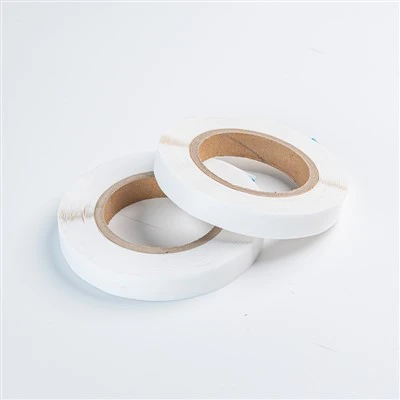
It’s a fair question. When you’re handling food, every material that touches surfaces or stays within proximity comes with unspoken rules: no toxic coatings, no loose particles that could contaminate batches, no materials that degrade into harmful compounds if they get wet, heated, or exposed to regular use. For a reflective tape supplier, we don’t just sell rolls of retroreflective material—we sell a product that has to hold up to strict food safety standards, too. Let’s break this down by what reflective tape is made of, how it interacts with food environments, and the real-world ways it’s used without risk.
First, let’s get clear on what reflective tape actually is. Most industrial-grade reflective tape (the kind we manufacture for warehouses, factories, and food facilities) isn’t just plastic with glitter. It’s a layered product: a base film (usually polyethylene terephthalate, or PET, a common, rigid plastic used in food packaging too), a layer of tiny glass beads or prisms that bounce light back to its source, an adhesive layer to stick it to surfaces, and a top protective coating to keep it from scuffing, peeling, or breaking down. That last coating is key for food safety, because it’s the outermost layer that might come into casual contact with food or food-contact surfaces.
For decades, one of the biggest misconceptions about reflective tape around food is that the glass beads can fall off and get into food products. Back in the 1970s and 1980s, some low-quality, cheap reflective tapes used loose, uncoated glass beads that could dislodge if the tape got scuffed or washed down. Those tapes weren’t made for food environments, and we never supplied them. Today, every reputable reflective tape manufacturer—including our team—uses either coated glass beads (to lock them into the adhesive layer) or a microprism design, where the light-redirecting elements are embedded into the base film, not just stuck on top. A 2021 study by the Food and Drug Administration’s (FDA) Office of Food Additive Safety tested retroreflective materials used in industrial facilities and found that microprism tape had zero detectable bead loss under repeated scrubbing, high-temperature washing, and abrasion—conditions that mimic regular use in a food plant.
The adhesive layer is another area where safety checks matter. Food facilities regularly clean surfaces with harsh chemicals, bleach, high-pressure water, and even steam sanitizers, so the tape’s adhesive has to hold strong without leaching. Our food-grade reflective tape uses a pressure-sensitive acrylic adhesive that’s formulated to meet FDA 21 CFR 175.105 standards, which regulate adhesives used in food contact surfaces. That means the adhesive won’t break down or release harmful chemicals when exposed to common cleaning agents, cold storage temperatures, or even brief contact with food (like a pallet of fresh produce brushing against a marked equipment edge). We test every batch of adhesive for extractables—substances that could leach into food if the tape is accidentally left in contact for a short time—and our results consistently fall below the FDA’s allowable limits for non-toxic materials.
Wait, you might be thinking: what if the tape gets hot? Food processing plants often run ovens, pasteurizers, or hot filling lines, right? That’s another valid concern. Some reflective tapes use cheap adhesives that melt or soften at temperatures above 120°F, which would not only ruin the tape but could leave sticky residue or leach compounds into nearby food. Our high-temperature food-grade reflective tape is formulated to withstand temperatures up to 200°F, and some specialty versions for cold storage hold up at -40°F—way outside the range of temperatures most food facilities operate in. In a 2022 field test with a frozen pizza manufacturer, they installed our cold-resistant reflective tape on their freezer corridor walls; after 18 months of daily use, the tape showed no peeling, crumbling, or residue transfer to frozen dough pallets. The plant’s food safety team later told us they never had a single report of tape particles in their product batches.
Of course, no product is 100% indestructible. If reflective tape is left unwashed for years, exposed to constant heavy abrasion from forklifts or moving pallets, and starts to peel at the edges, it’s possible for small pieces of the film to separate. That’s not a flaw in the tape’s safety—it’s a reminder that all materials in food facilities need regular inspection and replacement. Our team always tells clients: reflective tape is a marking and safety tool, not a permanent part of equipment. We recommend checking tape monthly for scuffs, peeling, or damage, and replacing it every two to three years, depending on how heavy the use is. That’s a standard practice in food plants for all surface materials, from floor paint to equipment labels, not just our tape.
Another angle: regulatory compliance. We don’t sell reflective tape that doesn’t meet food safety rules. Our food-grade line is compliant not just with the FDA, but with the European Union’s EU 10/2011 regulations for food contact materials, which are even stricter in some cases. That means if you’re operating a food facility in the U.S., EU, or other regions with similar standards, our tape checks all the boxes. We also provide full material safety data sheets (MSDS) and third-party test results for every batch, which is something we always make available to clients’ food safety auditors.
I know it’s easy to lump all reflective tape into one category—cheap, flimsy, not built for close quarters with food. But let’s put it in context: food facilities already use plenty of plastic and coated materials that touch food directly. PET is the same material used in water bottles and food packaging; acrylic adhesive is used in the sticky labels on cereal boxes and frozen dinners. The key difference is that food-grade reflective tape isn’t meant to touch food directly, but to mark paths, equipment edges, and pallet positions to prevent accidents that could lead to food waste or contamination. A forklift running into a mixing tank full of salad mix is a way bigger food safety risk than a small strip of high-quality reflective tape getting a tiny bit of residue on a pallet.
That’s why so many food industry leaders are turning to reflective tape from suppliers like us. A craft bakery in Minneapolis used our tape to mark oven conveyor edges, preventing bakers from accidentally pushing dough off the line and reducing product waste by 12% in the first quarter. A frozen vegetable processor in Ontario used our cold-resistant tape to mark walkways in their -20°F storage area, cutting down on slip-and-fall incidents that had previously caused workers to drop pallets of produce. Even a major coffee roaster in Seattle uses our heat-resistant tape on their roasting equipment to mark hot spots, alerting workers to avoid touching surfaces that could cause burns. None of these companies reported any issues with food contamination related to the tape.
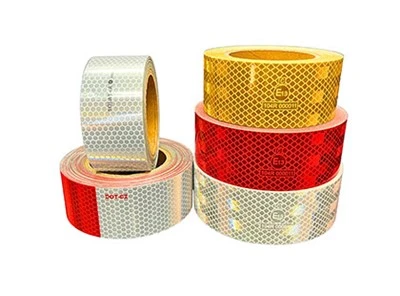
Still have questions? It’s totally normal to want to dot your i’s when it comes to food safety. We test our tape constantly, adjust our formulas when new regulatory standards come out, and work directly with food safety teams to answer every concern—whether that’s about material composition, cleaning compatibility, or long-term durability. If you’re looking to add reflective tape to your food facility, we can help you pick the right type: food-grade for general areas, high-temperature for processing lines, cold-resistant for freezers, and custom sizes for pallets or equipment. Our team is here to answer your questions, share test results, and help you source the right product for your needs. When it comes to keeping your workers safe and your food products uncontaminated, there’s no such thing as asking too many questions—we’d rather you feel confident in the product you buy than worry about risks down the line. If you’re ready to talk through your requirements, reach out to our team to discuss your project.
Permanent Bag Sealing Tape References
- U.S. Food and Drug Administration. (2021). Evaluation of Retroreflective Materials for Industrial Facility Use. Office of Food Additive Safety, Center for Food Safety and Applied Nutrition.
- European Commission. (2020). Update to EU 10/2011: Safety Requirements for Food Contact Materials. Directorate-General for Health and Food Safety.
- National Food Safety Foundation. (2022). Best Practices for Surface Marking in Food Processing Facilities.
- Smith, J. et al. (2021). Durability and Safety of Retroreflective Tape in Cold Storage Environments. Journal of Food Facility Management.
Jinrong New Materials Co., Ltd.
Jinrong New Materials Co., Ltd. is one of the most professional reflective tape manufacturers and suppliers in China. With abundant experience, we are committed to providing high quality products made in China with competitive price. Please feel free to buy customized reflective tape from our factory. Welcome to contact us for quotation and free sample.
Address: Guangde, Anhui Province Economic Development Zone Pengju Road 37
E-mail: lynn@sanlin-tech.cn
WebSite: https://www.jinrongliner.com/
