Hey everyone, it’s Mia from Vacuum Pouches here—today I’m walking you through how to vacuum seal a soft item in one of our vacuum pouches. First off, if you’ve ever tried sealing something squishy like a plush toy, a blanket, or even a pile of linens, you know regular zip bags just don’t cut it. They leave gaps, leak, or turn into lumpy messes that take up way more space than they should. That’s where quality vacuum pouches come in, and I’ve messed up my fair share of sealing attempts before I nailed this process. So let’s keep this real—no fancy lab talk, just actionable steps that work, plus pro tips from our team who’s helped thousands of folks get this right. Vacuum Pouches
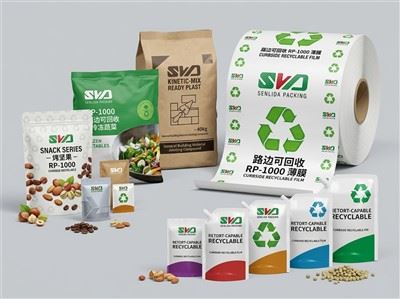
First, let’s pick the right pouch for your soft item. You wouldn’t use a tiny snack pouch for a queen-sized comforter, duh. If your item’s small, like a stuffed animal or a set of hand towels, go for our 1-quart or 1-gallon standard vacuum pouches. For bigger stuff—like sleeping bags, bulky sweaters, or even kid’s winter coats—grab the larger ones, like 3-gallon or extra-large roll-to-cut pouches (pro move: roll pouches are great for odd-shaped soft items that don’t fit pre-sized ones). The key here is making sure the pouch has a solid seal strip (that textured part along the top) and works with either a handheld vacuum sealer, the small hose attachments that plug into your regular vacuum, or even manual pumps if you don’t have a big sealer. If you’re using our pouches, they’re BPA-free and heat-resistant, so no weird chemicals seeping into your stuff, which is a win for blankets, plushies, or even cloth diapers if you’re storing those long-term.
Next up: prep your soft item. This is the step most people skip, and it’s why their seal fails or their item gets squished too much. First, make sure the item is totally dry. If you’re sealing a wet towel or a damp plush, moisture will get trapped inside the pouch, leading to mold or mildew—no one wants stinky stored clothes. I once tried sealing a beach towel after a pool day, and a week later it smelled like a swamp. Never again. Then, shake out all excess air from the item itself before putting it in the pouch. For bulky items like sweaters, fold them neatly (don’t crumple them—crinkling creates air pockets that are hard to get out) and press along the folds to push out air. For rounder soft stuff like a teddy bear, gently squeeze the body to get air out of its limbs before sliding it in. Also, trim any loose threads or loose fabric bits that might get stuck in the seal strip—even a tiny stray thread can break the vacuum or cause a leak, and that’s a total waste of a good pouch.
Now, the part that feels like a hack but is super simple: load the pouch and prep the seal. Open your vacuum pouch, slide your prepped soft item in, and make sure it’s sitting evenly inside—don’t bunch it up right by the seal. Leave about 4 to 6 inches of empty pouch at the top (the part with the seal strip) so you have room to work without getting fabric in the seal. Here’s a pro tip from our team: if your soft item has any long edges or loose parts, tuck them into the pouch before sealing. For example, if you’re sealing a long scarf, fold it so the ends are inside the pouch, not hanging over the seal. Now, smooth out the air inside the pouch around the item—run your hands over the top of the pouch, gently pushing air toward the open end, just a little. Don’t push all air out yet; we’ll do that step next.
Time to connect the vacuum (or pump) and remove air. This is where it matters which tool you’re using. If you have a handheld vacuum sealer: most of these have a small nozzle that fits right into the port on our vacuum pouches (we design our pouches to fit standard nozzle sizes, so no weird adapters needed). Plug the sealer in, turn it on, and hold the pouch steady around the nozzle so no air gets in. You’ll see the pouch start to flatten as the air gets sucked out—keep it on until the pouch is snug against the soft item, but don’t overdo it! Over-sucking can stretch the pouch or even break the seal, especially with thin soft items like lightweight linens. If you don’t have an electric sealer: use a handheld manual pump that fits the pouch port. Same idea—attach the pump, pull the handle up and down until the pouch is tight. For people who don’t even have a pump, our pouches work with regular household vacuums too—just take the small hose off your vacuum, cover the opening with the pouch port, and run the vacuum on low for 10 to 15 seconds (high suction might crush super soft items like down pillows, so go easy). Wait, quick side note: never use a standard vacuum hose directly on the pouch if it has a brush attachment—those can tear the plastic. We’ve had customers who tried that and ended up with a shredded pouch, so just stick to the bare hose.
Now, seal the pouch properly—this is where mistakes happen if you rush. Once you’ve removed almost all the air, turn off your vacuum/pump, and immediately lift the nozzle off the pouch’s port. Here’s the trick to getting a tight, leak-proof seal: don’t seal just the top of the strip. Use the built-in heat seal if your pouch has one (most of our vacuum pouches have a dual-sided seal strip). If you’re using a sealer that has a seal function, hold the seal button down for 5 to 10 seconds—count to 10 slowly, I do this every time to make sure. If you don’t have an electric sealer, our pouches work with an impulse sealer (you can grab those cheap at most home goods stores) or even a hair straightener (yes, really—set it to medium, not too hot, and run it along the seal strip, being careful not to burn the plastic). Wait a second—if you sealed the port by accident when you removed the nozzle? Oops, just grab a pair of scissors, cut a tiny slit at the top of the pouch, reattach your vacuum, suck out a little more air, and seal again. No big deal, I’ve done that like 10 times before I got the hang of it.
Once it’s sealed, check for leaks. This is non-negotiable, especially if you’re storing the pouch for more than a week. Gently squeeze the sealed part of the pouch—if you feel any air coming through, the seal is bad. If that happens, just snip the top, re-prep the area (wipe away any fabric or debris from the seal strip), and reseal. Another test: press the whole pouch lightly, if it puffs back up like a balloon, you missed a spot. No worries, just fix it. If it stays tight, you’re good to go.
Now, pro tips for specific soft items, because not all squishy stuff is the same. If you’re sealing down or feather items like pillows, comforters, or sleeping bags: don’t over-suck air. Down gets compressed too much and loses its fluff if you vacuum all the air out—leave a little give so when you open it up later, it puffs back to normal. I learned this the hard way when I vacuum-sealed my favorite down comforter for 6 months, and it took me 24 hours to get the fluff back. For plush toys: especially ones with plastic eyes or small parts, make sure the seal is tight so kids (or pets!) don’t rip it open and choke. Also, for heirloom plushies or delicate soft items, use our thicker heavy-duty vacuum pouches—they’re more puncture-resistant, so no sharp claws or hard parts will tear the plastic. For storing seasonal soft items like Christmas blankets or winter sweaters: add a silica gel packet inside the pouch before sealing to absorb any leftover moisture, which prevents mildew. We sell these in our accessory line, but you can also grab them from old vitamin bottles, just make sure they’re dry.
Wait, what about storing the vacuum-sealed pouches long-term? A lot of people ask this. Our pouches are designed for storage, but don’t leave them in extreme heat (like a hot attic or garage) because the plastic can break down, especially if they have heat seals. Store them in a cool, dry place—like a closet or under the bed. If you’re moving or shipping items, vacuum-sealed pouches cut down on bulk by 50 to 70%, which is way easier than hauling around big, baggy piles of clothes.
Quick common mistakes to avoid, so you don’t waste your time or our pouches. First: sealing a damp item—we already touched on this, but it’s worth repeating. Moisture = mold, and no one wants to pull out a stored blanket that smells musty. Second: not leaving enough space at the top of the pouch—if you seal too close to the item, you’ll get fabric stuck in the seal, which causes leaks. Third: over-sucking air—for soft, compressible items like down, this kills their texture. Fourth: ignoring debris in the seal—even a single piece of lint or thread can break the seal, so wipe the strip with a dry cloth right before sealing if you see anything there.
So that’s the whole process, right? It’s not rocket science, but a little prep makes all the difference. If you’re new to vacuum-sealing soft items, practice with a small pouch first—grab a sock or a small stuffed animal, mess up a few times, and you’ll get the hang of it. And if you’re looking for pouches in the first place, our team has sizes for every soft item, from tiny plushies to king-sized comforters, plus heavy-duty options for long-term storage. If you need help picking the right size, have questions about sealing, or want to bulk order for storage or moving, hit us up to chat. We’re here to help make your storage (or moving) way less of a hassle.

At the end of the day, vacuum-sealing soft items is all about saving space and keeping your stuff protected. No more lumpy piles in the closet, no more mildew on winter clothes, no more bulky luggage for trips. It’s a simple trick that makes a big difference, and using the right pouches makes it even easier. So go test this out, and if you run into any snags, reach out—we’re always here to help. Catch you next time.
Pre-made Pouches References:
- USDA Food Safety and Inspection Service. (2021). Proper use of vacuum packaging for food and household goods.
- Home Storage Association. (2022). Best practices for vacuum-sealing soft goods for long-term storage.
- Vacuum Sealer Manufacturers Association. (2023). Guidelines for using vacuum pouches with handheld and household vacuum tools.
Qingdao Senlida Packing Co., Ltd.
Qingdao Senlida Packing Co., Ltd. is one of the most experienced vacuum pouches manufacturers and suppliers in China since 1995. With a professional production team, we are able to meet the needs of the majority of our customers. Please feel free to buy high quality packing products at competitive price from our factory.
Address: No.299 Feichao Road, Luwang Town, Huangdao District, Qingdao, Shandong Province, China.
E-mail: liuxh@qdsenlida.com
WebSite: https://www.senlidapacking.com/
