Hey everyone, if you’re in the construction space lately, you’ve probably noticed high-rises popping up everywhere—from downtown apartment blocks to sleek office towers. A lot of builders I chat with stop me all the time and ask the same question: “Are copper pipes even worth the hassle for high-rise buildings?” As a copper pipe supplier who’s been in this game for over a decade, I’m here to break this down straight, no fancy jargon, just real talk about what works for those big, sky-scraping projects. Copper Pipe
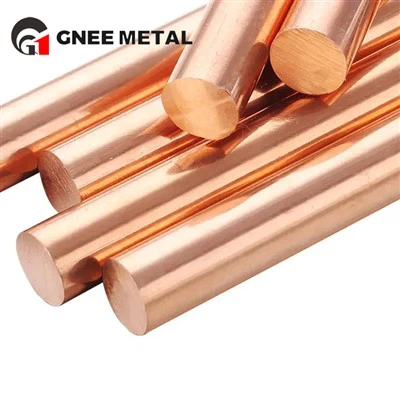
First off, let’s get one thing clear: high-rises aren’t like your average suburban house. You’re dealing with way more water pressure, longer runs of piping, thousands of units or floors, and way more people relying on that water 24/7. Skyscrapers and mid-rises (let’s say 10 floors and up, just to keep it simple) have unique demands that not every pipe material can handle. I’ve seen guys try cheaper stuff like PVC or old galvanized steel go wrong so many times—leaks, corrosion, constant repairs, you name it. Copper? It’s been around for centuries, and there’s a reason it’s stuck around.
Let’s talk about pressure first. High-rises stack floors on top of each other, so the water pressure at the ground floor is way higher than it is on the 20th or 30th floor. If you use a pipe that can’t handle consistent pressure, it’s gonna crack or leak way before its time. Copper’s tensile strength is no joke—studies show it can handle way more pressure than most alternative materials. I’ve had projects with 50+ floors where our pipes never gave a single pressure issue, while a neighbor on the same block using PEX had to re-do a whole wing in 2 years because the pressure expanded the tubing too much. That’s not fun for anyone, especially when you’re dealing with tenants complaining about no hot water at 7 a.m.
Next up, corrosion. This is a big one. Galvanized steel pipes rust from the inside out, and by the time you see a leak, there’s already years of rust clogging the lines. PVC can leach chemicals if the water is even slightly acidic, which is a health risk no builder wants to deal with. Copper? It’s naturally corrosion-resistant. Wait, let me clarify— it doesn’t corrode like steel. The outside might get a little patina, but that’s a protective layer, not decay. For high-rises, where piping runs are thousands of feet long and sit in wall cavities or underground utility spaces for decades, that’s a massive win. I’ve got a project from 1987 where the original copper pipes are still going strong, while the adjacent building’s steel pipes needed a full replacement in 2005. Maintenance costs? Way lower with copper. That’s a huge selling point for property managers too, because nobody wants the headache of shutting down a whole high-rise to fix pipes every 10 years.
Then there’s temperature. High-rises rely on both hot and cold water, often for multiple units at the same time—think everyone taking a shower when they get home from work, plus washing machines running, plus a dishwasher. Copper handles temperature swings way better than a lot of others. PEX can shrink or expand if the water’s too hot, leading to leaks at the connections. Steel warps from heat, making joints loose. Copper stays stable, even when you’re running 140°F hot water all day. I’ve even worked on high-rises in super hot climates (like Miami) where the copper didn’t expand or contract enough to cause issues, unlike the plastic pipes that split when the sun beat down on exposed runs.
Wait, but let’s be real—no material is perfect, right? I know some builders say copper is more expensive upfront. Yeah, it is, no denying that. But here’s the thing: when you total up the long-term costs—no frequent replacements, lower maintenance fees, way fewer emergency calls to fix leaks that flood 10 floors of apartments—copper saves you money in the long run. I’ve had clients tell me that the extra 15% they spent on copper up front paid for itself in 5 years, because they didn’t have to re-pipe half the building when the warranty on cheaper materials ran out. Also, copper is 100% recyclable. When the building eventually gets renovated or torn down, the pipes can be melted down and reused, no waste going to landfills. That’s a big plus for green building projects, which are super common in high-rises these days.
Another thing people overlook with high-rises: noise. If you’ve ever lived in an apartment where the water pipes bang or rattle every time someone flushes a toilet, you know how annoying that is. Plastic pipes get that rattle because they vibrate with water flow. Copper? It’s denser, so it dampens that vibration. Your tenants won’t be complaining about hearing their neighbor’s toilet from the next unit. That’s a huge point for residential high-rises—good sound insulation makes the space way more marketable.
But wait, should every high-rise use copper? Let’s not paint with a broad brush. For smaller mid-rises (10-15 floors), it’s a no-brainer, even for budget projects. For super tall skyscrapers (30+ floors), you might have to pair copper with different systems—like using smaller copper pipes for upper floors where pressure is lower, and maybe pressure-reducing valves to keep it consistent, but even then, copper holds its own. I’ve seen guys try to cut corners with thinner copper for upper floors, but you just can’t do that—you need to match the pipe gauge to the floor’s pressure. That’s where working with a supplier who knows high-rise specs helps—we don’t just sell you a pipe, we help you pick the right size and type for your specific build.
Also, let’s talk about compliance. A lot of cities and building codes are starting to ban or restrict plastic pipes in high-rises for fire safety reasons. Wait, did you know that? Plastic piping can release toxic fumes when it burns, and can melt and collapse faster than copper in a fire. Copper is non-combustible, which is a big deal for high-rise safety. Fire departments prefer copper because it doesn’t feed flames, and it stays intact longer, so water lines don’t break mid-firefighting. That’s not just a code thing—it’s a safety thing for everyone in the building. I had a client in Chicago who had to re-spec their piping from PEX to copper because the city updated their fire code for high-rises, and that saved them a ton of hassle down the line.
I get it, change is hard. A lot of builders have been using cheaper materials for years, and they’re worried about switching. But I’ve been in this long enough to see the mistakes first-hand. I worked on a 22-floor apartment building in Austin a few years back where the contractor used PEX because it was 10% cheaper. Three years later, they had leaks in 12 units because the tubing expanded under constant hot water use. They had to dig up walls, fix the pipes, and it cost them twice what they saved on the initial material. Meanwhile, another 20-floor building down the street that used our copper pipes hasn’t had a single plumbing leak in 7 years. That’s not an exception—that’s how it works.
Now, let’s address the elephant in the room: weight. Copper is heavier than plastic, right? For high-rises, you have to account for that extra weight when designing the structure. But engineers are used to that—they factor in the weight of pipes when they’re drawing up the blueprints. It’s not a showstopper, it’s just something to plan for. And the trade-off for that extra structural load is a system that lasts way longer, needs less maintenance, and is way more reliable. I’ve helped engineers spec copper for dozens of high-rises, and every time they come back saying it’s not a big deal at all once you adjust the design slightly.
So, putting it all together: are copper pipes suitable for high-rise buildings? Absolutely. They handle the pressure, corrosion, temperature swings, and fire safety requirements that high-rises demand. They might cost a bit more upfront, but the long-term savings, durability, and safety make them worth every penny. They also add to the value of the building—property managers can charge more rent for units with reliable plumbing, and they don’t have to worry about costly repairs down the line.

If you’re a builder, architect, or property manager working on a high-rise project and you’re still weighing your options, feel free to reach out. We don’t just sell copper pipes—we’ve worked on hundreds of high-rises, so we can help you pick the right products, answer your questions, and make sure your plumbing system works as good as your building looks. No sales pitch, just real advice from someone who’s been in this since before a lot of you were even in the industry.
Copper Strip References:
- International Code Council. (2021). International Residential Code for One- and Two-Family Dwellings.
- Copper Development Association. (2022). Copper Piping Systems for Commercial and High-Rise Buildings.
- National Fire Protection Association. (2023). NFPA 14: Standard for the Installation of Standpipe and Hose Systems.
- U.S. Environmental Protection Agency. (2021). Water Efficiency Guidelines for Multi-Family Residential Buildings.
Gnee Steel (Tianjin) Co., Ltd.
Gnee Steel (Tianjin) Co., Ltd. is one of the leading copper pipe manufacturers and suppliers in China. We warmly welcome you to buy discount copper pipe for sale here from our factory. All our products are with high quality and competitive price. Contact us for more cheap products.
Address: No.4-1114, Beichen Building, Beicang Town, Beichen District, Tianjin, China
E-mail: sales@gneemetal.com
WebSite: https://www.chinacopperalloys.com/
