Hey everyone, it’s Jake here—co-owner of a mid-sized high and low voltage switchgear supply company, and today I’m breaking down something I get asked nonstop by industrial clients, facility managers, and even new electricians: what makes indoor switchgear different from outdoor stuff? You can’t just haul gear built for a power substation and drop it inside a warehouse or hospital, right? There’s a whole list of special requirements most people don’t think about, and that’s exactly what I’m walking through today. High and Low Voltage Switchgear
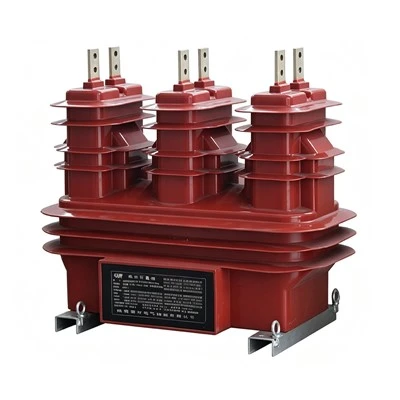
First off, let’s cut through the jargon a little: indoor switchgear is the gear that controls, protects, and isolates electrical power inside a building—think hospitals, data centers, manufacturing plants, even big apartment complexes. It’s not sitting out in the sun or rain, so why the extra hoops? Well, indoor spaces are way more confined, have way more people nearby, and often have super sensitive gear that can’t afford a power blip. I’ve seen guys grab cheap outdoor gear for an indoor job and end up with a shutdown that cost a factory $200k an hour—no joke. Let’s start with the big one: arc flash mitigation. That’s probably the #1 special requirement for indoor stuff, full stop.
Arc flashes are those explosive, super-hot (like 35,000°F—hotter than the surface of the sun) blasts of electricity that happen when something goes wrong in the switchgear. Outdoors, that blast can disperse into open air, but indoors? You’ve got walls, ceilings, ductwork, and, most importantly, people. If the switchgear isn’t built to contain that blast, it’ll blow through the panels, send shrapnel flying, and fill the room with toxic gas. Indoor switchgear has to have what we call arc-resistant design. That means every panel has vent doors or pressure relief channels that let the blast energy escape in a controlled direction—usually up through the ceiling, not outward toward maintenance workers. No cheap off-the-shelf gear has this; it’s engineered specifically for enclosed indoor spaces, and you have to test it to standards like IEC 62271-200 or ANSI C37.20.7. I once had a client try to skip this for a small warehouse expansion, and when their electrician turned the power on for the first time, a small arc flash blew a 2-foot panel door off and dented the concrete wall. They had to redo the whole room’s gear at twice the cost—lesson learned.
Next up, space efficiency is non-negotiable for indoor switchgear. Unlike outdoor switchyards, which have acres of room, indoor utility closets and gear rooms are often tiny. I’ve done jobs where we had to fit a 20-switchgear bank into a 10×12 ft closet. Outdoor gear is bulkier because it’s built to handle weather, but indoor gear has to be compact, so we use things like vacuum circuit breakers instead of old oil-filled ones (those are way bigger and leak-prone). Another thing: heat dissipation in tight spaces. If you cram a bunch of switchgear into a small room, the heat from the electrical components builds up fast. Outdoor gear can just let heat radiate out, but indoors, you need engineered ventilation—either natural vents sized for the load or forced air cooling with filters so dust doesn’t get in. I always tell clients to check the switchgear’s temperature rise rating; if it’s not designed for indoor enclosed spaces, it’ll overheat and trip constantly, or even cause a fire. Last year, a data center client called us because their cheap indoor gear was overheating, and we found they had a model with a way higher temperature rise than rated for small spaces. We swapped it out, and their downtime dropped from 10 hours a week to zero.
Then there’s environmental control beyond just heat. Wait, I know I said no weather, but indoor spaces have their own environmental hurdles. For example, manufacturing plants that make food or pharmaceuticals have high humidity, or dust from sawmills or metalworking. Hospitals have special air quality requirements, and data centers have strict humidity and temperature rules too. Indoor switchgear has to be rated for the ambient conditions of the specific room. That means IP ratings—like IP2X for small particles (so dust can’t get into the electrical connections) or IP5X for protection against persistent dust. If you put switchgear in a dusty factory without IP-rated sealing, dust builds up on the bus bars and causes short circuits. I had a client in a steel mill that had to replace their switchgear every 2 years because they used non-IP-rated gear; we switched them to IP54-rated indoor gear, and they haven’t had a short in 3 years. Also, corrosion is a thing indoors too—from harsh chemicals in labs or marine environments near coastlines, even if it’s inside a building. So we use corrosion-resistant coatings on the switchgear frames and electrical components for those spaces; cheap steel will rust in 5 years if it’s exposed to salt air inside a warehouse by the ocean.
Power reliability is the big one for indoor switchgear, because downtime indoors hits way harder. A power outage at an outdoor substation might affect a few houses, but an outage at a data center can lose millions in data, a hospital might life support devices die, or a manufacturing plant can ruin thousands of pounds of product. So indoor switchgear has to have better protection and monitoring features. That means things like remote monitoring capabilities—so you can check if a circuit is tripping, or if a component is overheating, without being in the gear room. We also build in redundant systems for critical applications, like hospital emergency power loops. Outdoor switchgear might have basic overcurrent protection, but indoor needs more sensitive relays that can catch small faults before they turn into big problems. I had a semiconductor plant client once—their production lines are so sensitive, even a 0.1 second power blip ruins a batch of chips. Their old switchgear didn’t have fast fault detection, so we installed indoor gear with microprocessor relays that cut off the faulty circuit in 2 milliseconds. They haven’t ruined a batch since.
Another thing most people don’t talk about: safety for personnel indoors. Unlike outdoor substation workers, who have plenty of space to work, indoor maintenance is often done in tight quarters next to other live gear. So indoor switchgear has to have interlock systems—you can’t open a panel door if the circuit is live. That’s a non-negotiable, way more strict than outdoor interlocks because of the close proximity. We also add grounded isolation barriers between live parts and maintenance access points, so even if someone’s reaching in, they can’t touch a live wire. I once got a call from a maintenance guy who’d been shocked because his cheap switchgear didn’t have interlocks—he opened the door while the circuit was live, and he was lucky it was only a small shock. Our indoor gear has three interlock checks before you can access any live parts, no exceptions.
Wait, let’s not forget noise levels. Indoor spaces—like office buildings or hospitals—can’t handle the loud hum of outdoor switchgear. Old switchgear, even indoor, used to be super loud, like 85 decibels, which is as loud as a lawnmower. Hospitals need that to be under 55 decibels so it doesn’t disturb patients, and office buildings want it quiet enough to hold meetings nearby. So modern indoor switchgear has sound-dampening materials built into the panels. That’s another special requirement you won’t see on outdoor gear. We had a client in a hospital a couple years ago that couldn’t use their old gear because it was keeping patients up at night; we installed low-noise indoor switchgear, and they haven’t gotten a single noise complaint since.
Let me wrap this up with a quick recap to make sure I didn’t miss anything: arc-resistant design for containing blasts, compact size with efficient heat dissipation for tight spaces, IP ratings and corrosion resistance for indoor environmental conditions, advanced monitoring and protection for critical indoor loads, interlocks and barriers for worker safety, and low noise for occupied spaces. Every indoor application is different—you can’t use a generic switchgear for a grocery store the same way you’d use for a data center, but hitting these requirements is non-negotiable no matter what.
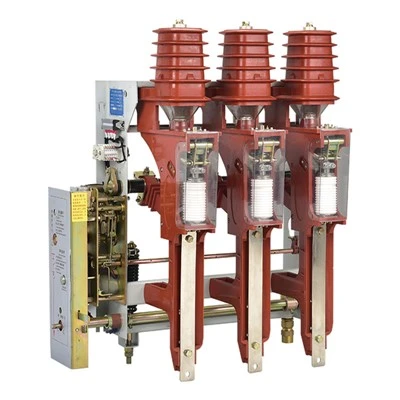
If you’re planning a project and need help picking the right indoor switchgear, or you’re dealing with issues like overheating or arc flash risks from old gear, hit us up to chat. We work with all kinds of clients, from small warehouses to major hospitals and data centers, and we can hook you up with gear that meets all those special indoor requirements without cutting corners. Don’t end up with a costly shutdown because you grabbed the wrong gear—reach out, and we can walk through your needs together.
High Voltage Disconnector References:
- IEC 62271-200: High-voltage switchgear and controlgear for indoor installations
- ANSI C37.20.7: Standard for Metal-Enclosed Low-Voltage Power Circuit Breaker Switchgear
- NFPA 70E: Standard for Electrical Safety in the Workplace
Zhongtai Electric Power Technology Co., Ltd.
With abundant experience, we are one of the most professional high and low voltage switchgear manufacturers and suppliers in China. We warmly welcome you to wholesale bulk customized high and low voltage switchgear from our factory. If you have any enquiry about quotation, please feel free to email us.
Address: High-tech Industrial Park, Chongren County, Fuzhou City, Jiangxi Province (No. 261 Yingbin Avenue)
E-mail: info@zhongtaielectric.com
WebSite: https://www.zhongtaipower.com/
