If you’ve ever sat at a casual café, a backyard picnic, or a school lunch table, you’ve probably run into kraft paper placemats—cheap, functional, and surprisingly versatile. As someone who’s worked in the kraft paper supply industry for over a decade, I talk to small business owners, event planners, and even home bakers every week who ask the same question: how hard is it to make these placemats myself? The truth is, it’s simpler than you think, and with the right kraft paper stock, you can customize them for any use, from brand promotion to kid’s craft time. Let’s walk through the process step by step, no fancy industrial equipment required. Kraft Paper

First, let’s get clear on what makes a good kraft paper placemat—not all kraft paper is created equal. As a supplier, I see people show up to my warehouse with the wrong stock all the time, and it wastes both time and money. The best placemats use heavyweight kraft paper, usually between 50 and 70 pounds basis weight (or about 100 to 140 gsm). Lighter paper will tear easily when you set down a plate, a fork, or a cold drink, and it might bleed through if you use paint or ink for designs. We also offer two types of kraft: natural brown (virgin kraft, which has that iconic earthy look and is sturdy enough for repeated use if handled gently) and white kraft (bleached, for brighter prints if you’re using custom logos or event designs). Skip the thin wrapping paper or craft paper you find at dollar stores—those are too flimsy for placemats.
Now, let’s break down the process, starting with the basics. You don’t need a printing press or a factory setup for small batches. For most home or small business needs, handcrafting or using basic tools works perfectly. Let’s start with the simplest method: no customization, just a plain, sturdy placemat for everyday use.
Step 1: Measure and cut your kraft paper. Placemats are standard size—12 inches wide by 18 inches long is the most common, but you can adjust to 11×17 for kids’ tables or 14×20 for buffet lines. I recommend using a straight edge and a sharp utility knife or a paper cutter for clean edges. If you’re cutting large batches, a rotary cutter works too. Pro tip from someone who’s cut thousands of these: always leave a tiny margin (about a quarter inch) when cutting if you plan to laminate them later—no one wants a crumby paper edge peeking out.
Step 2: Finish the edges if you want extra durability. Raw kraft paper can fray, especially if you’re using it for outdoor events where it might get damp. For a quick fix, run a clear glue stick along the raw edges and press them flat, or use a small piece of packing tape (kraft tape, not clear plastic, to keep the look consistent) to cover the cut edges. If you’re worried about water or spills, a light coat of food-safe clear acrylic sealant works too—just make sure it’s non-toxic and dry completely before putting it on a table.
If you want to make branded placemats for your café, restaurant, or pop-up shop, the next step is customization. This is where kraft paper shines—its matte, slightly rough surface is perfect for printing or hand-doodling, and it absorbs ink well without smudging.
For small batches (up to 50 placemats), hand customization is the easiest and most cost-effective. You can use acrylic paint, permanent markers, or even stencils. If you’re stenciling, pick a stencil made for thick paper or fabric (regular adhesive stencils might not stick well to kraft’s textured surface) and use a foam brush to apply paint in thin layers—thick paint will soak through and warp the paper. Another fun trick: use rubber stamps with ink pads made for paper. Our customers love using this method for farmers’ markets or kids’ birthday parties because it gives a handcrafted, authentic look that customers notice.
For larger batches (100 or more), you can use a home office laser printer with kraft-compatible paper settings. Most modern printers have a “heavy paper” or “kraft paper” option that adjusts the temperature and toner flow so the ink doesn’t smudge or rub off. Just make sure you’re using the right side of the kraft paper—some rolls have a smoother inside layer that works better for printing, while the rougher outside is great for stamping. If you don’t have a laser printer, offset printing (the kind commercial shops use) works too—just talk to your printer about using uncoated stock, which is what kraft paper is, so the ink adheres properly.
One thing I always warn customers about: avoid inkjet printers for this. Inkjet uses liquid ink that will bleed through kraft paper almost every time, especially if there’s moisture from a glass. Laser toner is dry, so it bonds better to the paper’s surface, making it more durable for table use.
Now, what about making placemats that are reusable instead of single-use? A lot of my clients (cafés focused on sustainability, daycares, even eco-friendly event planners) ask about this, and it’s totally doable with kraft paper. The key here is lamination. Laminating kraft placemats gives them a waterproof, wipeable surface so you can reuse them multiple times before they wear out.
How to do this at home: after cutting your kraft paper to size, use a cold or thermal laminator (thermal is cheaper for small batches) with a clear, matte laminating pouch. Place the placemat inside the pouch, making sure there are no air bubbles, and run it through the laminator. Then, trim the excess plastic around the edges with scissors or a utility knife. The result is a sturdy, waterproof placemat that you can wipe clean with a cloth and soap, instead of throwing it away after one use. For extra grip, you can even add a thin layer of non-slip adhesive to the back, which keeps the placemat from sliding around the table during meals.
If you’re thinking about scaling this for a small business, there are a few pro tips I’ve picked up over the years to make the process faster and cheaper. First, buy kraft paper in bulk from a reputable supplier—skimping on paper to save money will lead to more tears and reworks, which cost you more in the long run. As a supplier, we offer custom rolls, so you can get rolls cut to your exact placemat size, which eliminates the need to cut individual pieces from large rolls. That’s a huge time-saver for anyone doing 500+ placemats a month.
Another tip: test your design on a small piece of kraft paper before printing on a full placemat. I’ve had customers come to me with a custom logo that looked perfect on their computer but got distorted when printed on uncoated kraft paper, and a quick test run would have caught that. Also, keep in mind that kraft paper’s natural brown color means light colors (like white or pastels) will show up differently than they do on white paper. If you want a bright, clean design, go for white kraft paper instead of natural brown.
Now, let’s talk about common mistakes to avoid, because I’ve seen almost all of these happen. First, using paper that’s too thin. A 30-pound kraft paper might work for wrapping boxes, but not for placemats—your customers will be frustrated if their plate leaves a permanent indent or the paper tears when they reach for a fork. Second, skipping the edge finish. Raw kraft paper can fray, especially after a few uses, so even a simple glue stick or tape will extend the life of your placemats by weeks. Third, using non-food-safe sealants. If you’re making placemats for food service, make sure any sealant or laminating material is FDA-approved for contact with food—cheap, untested sealants can leach chemicals, which is a big no for restaurants and cafes.
As someone who’s been in this industry, I love that kraft paper placemats are so versatile—they’re eco-friendly, customizable, and budget-friendly, which is why they’re still a staple for businesses and home users alike. Unlike plastic or vinyl placemats, kraft paper is biodegradable, so it’s a great choice if you’re looking to reduce waste, and you can even compost them after use, which is a big plus for sustainability-focused brands.
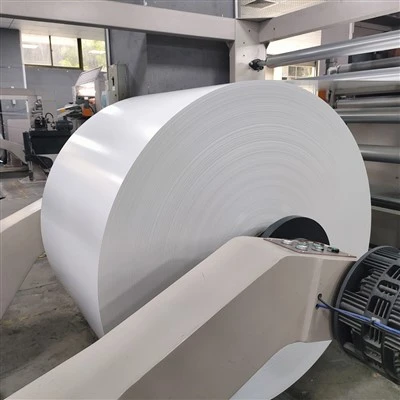
If you’re thinking about making placemats for your business, or you want to order bulk kraft paper to start, I’m here to help. Whether you’re a small café needing 100 rolls a month, an event planner needing custom printed placemats for a wedding, or a hobbyist making placemats for a school craft fair, we can provide the right kraft paper stock and answer any questions you have about the process. Don’t hesitate to reach out to our team to discuss your needs—we’re happy to help you find the perfect solution for your project.
Specialty Paper References
- TAPPI Test Method T410, Basis Weight of Paper and Paperboard
- FDA Food Contact Materials: Paper and Paperboard Regulations
- Sustainable Office and Event Supply Association, 2022, Kraft Paper Product Guide
- Printware Magazine, Uncoated Stock Printing Best Practices, 2021
Dongguan Banyan Material Co., Ltd.
We are one of the most experienced kraft paper manufacturers and suppliers in China, also support customized service. Please feel free to wholesale bulk eco-friendly kraft paper from our factory. Quality products and reasonable price are available.
Address: NO.167, Meijing West Road, Songmushan, Dalang Town, Dongguan City, Guangdong Province, China
E-mail: Sales_chris@yspaper.com
WebSite: https://www.paperyoung.com/
