If you’re a farmer, turf manager, or just someone trying to get rid of those stubborn grasses and weeds taking over your land, you’ve probably come across Imazapic before. As a supplier who’s worked with this herbicide for years, I get all kinds of questions—but one I hear way more than others is, “How long does it actually take to see results from Imazapic?” Imazapic

I totally get it. Waiting around for weeds to die when you’ve put time, money, and effort into your property is frustrating. You want to see progress, know if the product’s working, and plan your next steps (like reseeding, fixing bare spots, or getting back to other projects). But the truth is, there’s no one-size-fits-all answer. It’s not like flicking a switch—Imazapic’s timeline depends on a bunch of factors that are totally out of your control sometimes. Let’s break this down like I’d chat with a buddy over coffee, no jargon, no confusing stuff.
First, let’s keep it simple: what even is Imazapic? For anyone new, it’s an herbicide in the imidazolinone family. It works by messing with an enzyme plants need to make proteins—so they can’t grow, and eventually, they die. It’s super good at targeting pesky annual and perennial grasses, like crabgrass, foxtail, johnsongrass, and even some broadleaf weeds, without hurting certain plants (like wheat, rice, or those nice cool-season grasses you might be trying to keep, as long as you apply it right). Cool, right? But that mode of action is part of why the results take time. Unlike some contact herbicides that burn weeds down in a day or two, Imazapic is a systemic herbicide—it gets absorbed by the leaves and roots, moves through the whole plant, and does its work from the inside out. That takes time.
So let’s start with the basics: when you apply it, what’s the earliest you might see something? Usually, that’s 7 to 14 days. Wait, “might” is key here. If the weeds are young, small, and actively growing (so they’re taking up nutrients like crazy, which means they’re also sucking up Imazapic quickly), you could start to see changes. What kind of changes? The leaves might turn a little yellow—like a pale, sickly look, not the crispy burn from a different herbicide. That’s your sign the product’s already working its way through the plant. You might also notice the new growth at the tips of the weeds looks stunted or twisted, like it can’t stretch out. That’s good! That means the enzyme block is doing its job.
But hold up—if you’re applying to mature, tough weeds? That 7 to 14 day window can stretch. Like, johnsongrass or bermudagrass that’s been growing for months, has deep roots, and is woody? It might take 21 to 30 days before you see any yellowing. And even then, the above-ground parts might look dead, but the roots are still fighting. That’s another thing about Imazapic—since it targets the whole plant, you can’t just go by what you see on the leaves. The roots take longer to die off, especially perennials. So don’t panic if your mature weeds are still green after 2 weeks. That’s normal.
Now, the biggest factors that mess with the timeline. Let’s talk about environment first, because that’s the #1 variable. Herbicide performance lives or dies by weather, and Imazapic is no exception. If you apply it when it’s cold, cloudy, or dry? The weeds aren’t actively growing—they’re hunkered down, not taking up much water or nutrients, so they’re not sucking up Imazapic either. That means results are going to be way slower. If you apply when it’s warm (60–85°F, roughly), there’s been a little rain recently (but not a downpour that washes it off the leaves), and the weeds are in peak growth mode? That’s when you get the fastest results. I’ve seen clients apply Imazapic on a perfect sunny spring day, and start seeing yellowing on crabgrass a week later. But if someone applies it during a dry spell in July, when temperatures hit 95°F and weeds are wilting? They might not see changes for 3 weeks, and even then, they need to water lightly to help the product move through the soil to the roots if that’s where it’s needed.
Next, the type of plant you’re targeting. Like I touched on earlier, annual vs. perennial weeds. Annuals (crabgrass, foxtail, pigweed) are short-lived, have shallow roots, and grow fast. They’ll show results faster—usually 10–20 days total from application to full kill. Perennials? Big difference. Johnsongrass, bindweed, Canada thistle, bermudagrass? These have deep, extensive root systems that store a lot of energy. Imazapic has to move down through the stems to the roots, disrupt the plant’s ability to make proteins, and then the roots can’t send up new growth anymore. That’s a process. For perennials, you might see initial yellowing in 2–3 weeks, but it can take 6–8 weeks for the whole plant (roots and all) to die. Some of my clients make the mistake of reseeding too early after applying Imazapic, too—you have to wait the right amount of time, which we’ll get to, but that’s a whole other part of the process.
Then, how you applied it matters. Imazapic can be applied as a foliar spray (direct to the leaves) or as a soil application (so it gets taken up by the roots). Foliar is better for actively growing weeds that are above ground. If you spray the leaves right when the dew is drying, and don’t water for 6–8 hours after, the product sticks to the leaves and gets absorbed. If you spray right before a heavy rain, most of it washes off, so you’ll have to reapply, and results will be delayed. Soil applications are for pre-emergent stuff, too—like if you’re applying it to stop weed seeds from sprouting. Pre-emergent results are even slower, because the seed has to germinate, take up the Imazapic from the soil, and then die before it becomes a seedling. That can take 2–4 weeks before you notice no new weeds popping up. If you mixed the product wrong—too dilute, or not enough surfactant (that’s the stuff that helps the spray stick to leaves)—the results will be slower too. I always tell my clients to follow the label rates, no cutting corners there.
Wait, what about if you don’t see any results at all? Is that possible? Yeah, but usually it’s a fixable issue. Either you applied it when weeds were stressed, or you misidentified the weed (some weeds are resistant, though that’s rare with Imazapic if you use it correctly), or you didn’t use enough product. If after 30 days there’s still no change, hit me up—we can troubleshoot, but that’s not the norm. Most of the time, if you followed the label, you’ll see progress.
Now, why does the timeline matter for you, the user? Because a lot of people want to reseed or plant something else right away. Imazapic stays in the soil for a little while, so you can’t just throw new seeds down 2 weeks after applying. For cool-season grasses, like Kentucky bluegrass or fescue, you’ll usually need to wait 4–6 weeks after application before reseeding. For warm-season grasses, like bermudagrass, it’s a little different, but still around 3–4 weeks. If you plant too early, the Imazapic will kill your new grass too, and that’s a waste of time and money. I’ve had clients ask me, “Can I just spray Imazapic and reseed next week?” and I always have to say no. Patience here is key—trust the timeline, your lawn will be better for it.
As a supplier, I’ve worked with farmers, turf farms, residential landscapers, and even people doing small acreage projects. I’ve seen all kinds of scenarios. Last summer, a turf client in Iowa had a crabgrass infestation that was so bad, you couldn’t even see the fescue underneath. They applied Imazapic in mid-May, when temperatures were around 70°F and there was a light rain the night before. Within 10 days, the crabgrass leaves were yellow, and by 3 weeks, it was dead. They reseeded their fescue 5 weeks later, and it came in perfect. On the flip side, I had a client in Texas who applied Imazapic in August when it was 98°F and no rain for 2 weeks. The weeds were wilting, so they weren’t absorbing the product. We told them to water lightly once a week for a month, and after 4 weeks, they started to see yellowing. It took twice as long, but it worked—they just had to adjust for the dry heat.
Another thing I should mention: if you’re using Imazapic for broadleaf weeds, same general timeline, but broadleaf weeds might die a little faster than tough grasses. Like dandelions? You might see yellowing in 7 days, and full kill in 14. Thistles? A little slower, 10 days to start yellowing, 21 days to die. It all lines up with how fast the plant is growing and how easily the product can move through it.
Let’s clear up a common myth, too. Some people think Imazapic “builds up” and works faster with each application, but that’s not true. Each application works the same way—if the conditions are right, you’ll see progress in the typical timeline, no matter how many times you’ve used it. Overapplying won’t make it work faster, either—if you use too much, it might just stick in the soil longer and cause issues with reseeding, so stick to the label rates.
So to wrap this up, here’s a quick cheat sheet for timelines, no fancy stuff:
- Young, small annual grasses/ broadleaf weeds: 7–14 days for initial yellowing, 2–3 weeks for full kill.
- Mature annual weeds: 10–20 days for initial signs, 3–4 weeks for full kill.
- Perennial weeds: 2–3 weeks for initial stunting/yellowing, 6–8 weeks for full root death.
- Soil pre-emergent use (stopping weed seeds from sprouting): 2–4 weeks before you see no new weeds.
And remember, the biggest thing is to pay attention to the conditions when you apply. If it’s cold, dry, or cloudy, give it a few extra days before you check for results. Don’t stress if it’s not happening as fast as a contact herbicide—Imazapic is a systemic, so it’s working deeper, which means it’s going to kill the whole plant, not just the top leaves.
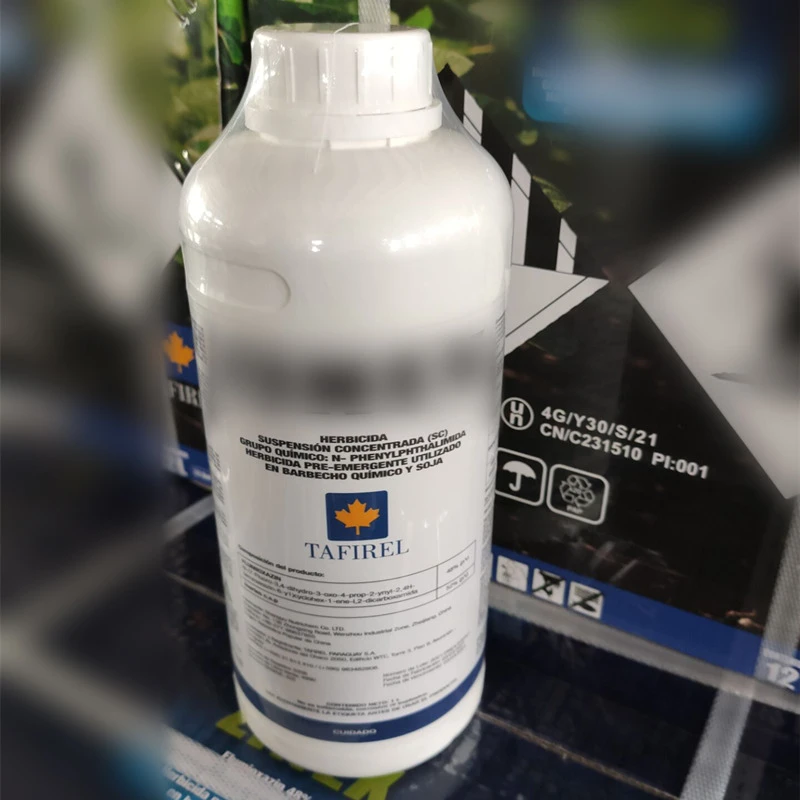
If you’re ready to get Imazapic for your project, or if you have questions about application timing, rates, or how long to wait before reseeding, feel free to reach out. We can walk through your specific situation—whether you’re dealing with a small residential lawn, a large farm field, or a commercial turf area—and make sure you get the right results. Don’t guess, don’t waste money on reapplying too early, just get the facts from someone who’s worked with Imazapic for years. You can connect with us to chat about your needs, no pressure.
MCPA References
- Anonymous. Imazapic Herbicide: Mode of Action and Application Guidelines. Weed Science Society of America, 2021.
- Anonymous. Crop Safety and Reseeding Intervals for Imazapic Applications. University Extension Publications, 2022.
- Anonymous. Environmental Factors Affecting Herbicide Efficacy: Imazapic Case Study. Journal of Agricultural and Environmental Chemistry, 2020.
- Anonymous. Imazapic for Perennial Weed Control: Field Trial Results. American Society of Agronomy, 2021.
Changzhou Dayilong Bio-Tech Co., Ltd.
With abundant experience, we are one of the most professional imazapic manufacturers and suppliers in China. Please rest assured to buy bulk high quality imazapic made in China here from our factory. Good service and reasonable price are available.
Address: Hundsun Science & Technology Park 3-1, BeiTangHe Road 8, Tianning District, Changzhou City, Jiangsu, China
E-mail: Sales@dayilongbio-tech.com
WebSite: https://www.dayilongagro-chemical.com/
