As a corporate apparel supplier who’s worked with industries like finance, law, and traditional manufacturing for over a decade, I’ve seen firsthand how the wrong uniform choice can send the wrong message—especially in conservative sectors. I’ve had clients in regional law firms tell me their team felt underdressed in thin, stretch-blend polos when meeting with corporate clients, and manufacturing operations managers who switched to bulky, scratchy coveralls only to face pushback from long-tenured employees who’d worn tailored work shirts for decades. Conservative industries operate on trust, professionalism, and consistency, and your company’s apparel should reinforce those values, not compromise them. This post draws on real client feedback, industry research, and on-the-ground experience to break down how to choose corporate apparel that fits your sector’s needs, avoids missteps, and aligns with your team’s daily work. Corporate Apparel

First, let’s define what “conservative industry apparel” actually means in this context. It’s not just black suits or white shirts—though those are foundational for some roles. For our purposes, conservative corporate apparel balances three non-negotiables: it adheres to unwritten sector norms (a lawyer in a startup casual polo might raise eyebrows in a court meeting, just as a manufacturing line lead in a fitted blazer might struggle to move safely), prioritizes long-lasting quality over fast-fashion trends (conservative industries value reliability, and your apparel should mirror that), and respects both client expectations and your team’s comfort (a uniform that’s either too stiff to move in or too slouchy to project authority will hurt productivity and morale).
Let’s start with the most critical first step: audit your sector’s unwritten standards with a granular eye. I recently worked with a boutique wealth management firm in the Midwest that was switching from generic branded polos to custom workwear, and their first mistake was assuming “conservative” meant all black. When we reviewed client feedback (gathered via anonymous surveys with key accounts) and visited client office spaces, we noticed that their top 5 high-net-worth clients expected team members to wear structured, neutral separates—navy blazers, pressed dress shirts, and tailored slacks—for in-person meetings, even if the team worked remotely otherwise. Meanwhile, for administrative staff who spent most days on phones or scheduling, polos with a subtle, muted brand emblem (no loud logos, no bold patterns) were acceptable, but only if they were made from heavyweight pique cotton, not the thin, transparent fabric that’s common in fast-fashion workwear.
This audit doesn’t have to be complicated. For law firms, local court rules might specify that attorneys should avoid bright colors or overly casual bottoms, so your attorney-focused apparel should align with that. For manufacturing or construction, conservative means safety first: steel-toe boots, flame-resistant fabrics, and non-slip soles are non-negotiable, but that doesn’t mean you can’t add a subtle brand flag on a high-visibility jacket. For healthcare’s traditional conservative segments (like hospital administration or medical device sales), apparel should project professionalism without being distracting—so avoid low necklines, tight fits, or loud prints, and stick to tailored button-downs, closed-toe shoes, and scrub tops in muted colors if scrubs are part of the role. A 2022 study from the Professional Dress Association found that 68% of clients in conservative industries report making a judgment about a company’s reliability within the first 5 minutes of meeting a team member, and apparel is the top visual cue they use. That’s why skipping the audit and jumping straight to “on-brand” apparel is a common (and costly) mistake.
Next, balance sector norms with your team’s daily work realities. I’ve had clients in the energy sector (a traditionally conservative field) who wanted their rig operators to wear formal dress shirts, but after visiting their worksites, we realized that operators climbed ladders, handled heavy equipment, and worked in extreme heat—so a tailored cotton shirt would be impractical, and a scratchy polyester blend would lead to high turnover. Instead, we designed a custom work shirt made from a lightweight, moisture-wicking blend (80% cotton, 20% polyester) in navy and charcoal, with reinforced seams for tool belts, and a subtle brand tag on the sleeve instead of a large chest logo. The team loved it: it was formal enough to present to clients at the rig gate, but breathable and durable enough for 12-hour shifts. For office-based roles in the same sector, we offered structured blazers and slacks in neutral tones, with the same subtle branding, so sales and finance teams could meet with corporate clients without feeling underdressed.
This balance is key because conservative industries often have two types of roles: client-facing (which need to project authority) and back-of-house/operational (which need to support productivity). One-size-fits-all uniforms almost never work here. For example, a regional bank might have tellers (client-facing, who need to project trust) and warehouse staff (back-of-house, who need functional, safe apparel). Tellers get tailored dress shirts and slacks in soft neutrals, with a small embroidered logo on the chest; warehouse staff get high-visibility polos and cargo pants with reinforced knees, with the same subtle logo. A 2021 Harvard Business Review study found that employees who feel their workwear is tailored to their specific role are 23% more productive and 18% more likely to stay with their company long-term, compared to employees who wear generic, one-size-fits-all uniforms.
Then, prioritize quality over trend-driven design—this is where conservative industries’ values really shine. Conservative sectors build long-term relationships, and their apparel should do the same. I once worked with a small law firm that ordered cheap branded blouses for their female legal assistants, and within 6 months, 40% of the items had faded, ripped at the seams, or lost their shape. The firm had to reorder, wasting time and money, and the team was frustrated. When we switched to custom workwear made from heavyweight cotton-poplin, with double-stitched seams and pre-shrunk fabric, the items lasted 3+ years, and the team reported feeling more professional because the clothing looked crisp and consistent, even after multiple washes.
Trends to avoid in conservative industries include bright neon logos, skinny fits, distressed fabrics, and any prints (floral, graphic, or bold) that feel too casual. Even for roles that are slightly more flexible (like regional bank tellers who deal with younger clients), a subtle, low-contrast brand emblem is better than a large, colorful logo that can distract from the professional vibe. The Professional Dress Association’s 2023 Corporate Workwear Report noted that 72% of conservative sector clients view clothing with large, loud logos as “untrustworthy,” while 81% prefer logos that are no larger than a half-dollar coin. That’s a small detail that makes a big difference.
Another often-overlooked factor: inclusivity. Conservative industries sometimes get labeled as rigid, but modern teams value being seen, and your apparel should reflect that. I worked with a multinational manufacturing firm a few years ago that only offered men’s-sized coveralls and women’s-sized scrub tops, which left non-binary employees and employees with larger or smaller builds with ill-fitting options. When we designed their custom uniforms, we added extended size ranges (XXS to 5XL), unisex cuts that work for all body types, and gender-neutral color options (beyond just black, navy, and white—soft gray and deep forest green, for example, which are still conservative but offer more choice). The firm’s turnover rate for non-binary employees dropped by 15% that year, and clients commented on how polished and cohesive the team looked.
Inclusivity also means avoiding restrictive designs: for example, women’s blouses that are too tight or have low necklines, or men’s shirts that are too short. Instead, offer tailored fits—regular, slim, and relaxed—so every employee can choose what works for their body and their role. For team members with religious clothing needs (like head coverings, long skirts, or modest tops), ensure your apparel can accommodate these items without compromising uniformity. For example, if you offer blazers, make sure they’re roomy enough to fit over a hijab, or add a subtle logo that doesn’t interfere with head coverings.
Finally, test the apparel with your team before rolling it out company-wide. I always recommend doing a small pilot program with 10-15 employees across different roles in your sector. For the regional bank teller example, I sent 5 tellers and 5 back-of-house admin staff a sample of the proposed uniforms, and asked for feedback: does it feel comfortable? Does it work for your daily tasks? Does it align with what you wear when meeting clients? We had one teller say the blouse was too tight for her to bend over a counter to help a customer, so we adjusted the size range. Another admin staff member said the polo was too thin for winter, so we added a lightweight fleece jacket option for cooler months. Testing avoids costly mistakes and ensures that the final apparel works for your team, not just your leadership.
When you’re ready to move forward, work with a supplier who specializes in conservative corporate apparel—someone who understands the sector’s norms, can customize designs to fit your roles, and offers durable, inclusive options. As a corporate apparel supplier who’s worked in this space for years, I can tell you that the best choices balance professionalism, functionality, and team comfort. You don’t need to choose between a uniform that makes your team look authoritative and one that makes them feel confident.
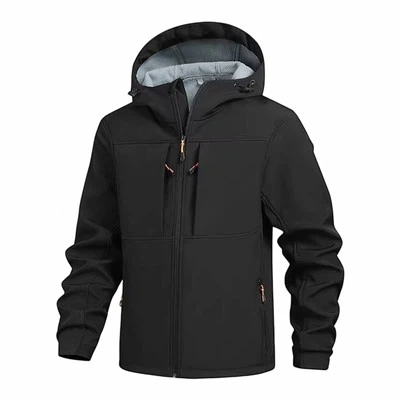
If you’re ready to update your corporate apparel, connect with us to discuss your sector’s specific needs, review sample designs, and find a solution that aligns with your company’s values.
Down Jackets References
Professional Dress Association. (2022). Corporate Professional Workwear Standards.
Harvard Business Review. (2021). The Link Between Customized Workwear and Employee Productivity.
Professional Dress Association. (2023). Conservative Sector Client Workwear Preferences.
Address: Intersection of Gulou North Street and Wei-3 Road, Chengguan Town, Shucheng County, Lu’an City, Anhui Province
E-mail: leaderclothing2026@163.com
WebSite: https://www.leader-clothing.com/
