Hey there, thanks for stopping by! I’m Jake, and I’ve been running a small, family pig supplier for almost 12 years now. I get all sorts of random questions from folks—farmers, restaurant owners, even people who just saw a pig at the fair and Googled something last minute. One question that pops up more than you’d think is: “What’s a female pig called?” I’ll be honest, when I first started out, I thought it was just a “sow” and that was it. But over the years of dealing with pigs day in and day out, I’ve learned there’s way more to it than that little answer. It’s not just a random fact; it matters for how we raise pigs, how we sell them, and why anyone buying from us needs to know the difference. Pig

Let’s start with the basics, no fancy textbook stuff here. Most people know a female pig isn’t a “boar” (that’s the male one, for the record). The main term everyone uses is sow. But when’s a female pig actually a sow, and when is she something else? Let’s break that down. A female pig that hasn’t had any babies yet—we call those gilts around here. A gilt is basically a teenager pig, right? She’s hit puberty, she’s sexually mature, but she’s never farrowed (that’s what we call giving birth to piglets, not “having babies”—way less gross than the alternative). Once she has her first litter, she’s officially a sow. That’s the big switch. And it sticks—even if she has another litter two years later, she’s still a sow, not a gilt. Simple enough, right?
Now, why does this even matter for a pig supplier? Let me tell you. When we’re matching customers to the right pigs, it’s not just about size or breed. A restaurant owner raising feeder pigs for their farm-to-table menu? They might want gilts because they grow into market hogs faster than some sows, especially if they’re being raised for meat. But if a customer is looking for breeding stock—they want to raise their own pigs, sell piglets, or keep a small herd for personal use—they need to know the difference between a gilt, a sow, and even the other female terms we use. Wait, there’s more? Yeah, trust me, I didn’t make up these terms. They’re standard in the pig industry, so it’s not just us being picky.
What about a female pig that’s had piglets before but is too old for breeding? Sometimes we call those cull sows. We don’t sell cull sows for breeding, obviously—they’re past their prime for having litters—but their meat is still totally good, just a little tougher than younger market hogs. We sell those to processing plants for things like ground pork, sausage, or canned ham. That’s why knowing the term matters: if a customer calls asking for “female pigs for meat,” I need to ask if they want young gilts (which turn into market hogs) or cull sows. If I get that wrong, they’ll end up with meat that’s too tough for their menu, and that’s bad for both of us.
Another random question I get: is a young female pig ever called something else? Some folks mix up gilts with “sow pig,” but no, that’s not right. A sow is only a female that’s had at least one litter. Gilts are strictly pre-first litter. We have a few gilts on our farm right now—they’re skittish, they love to root around in the mud more than the older sows, and we’ll send them to market in about six months if they don’t get picked up for breeding stock. It’s kind of fun watching them grow, honestly.
Now, let’s talk about how these terms translate to the way we raise pigs, because that’s where the science kicks in, not just the names. Gilts have a lower litter size when they first farrow—usually around 8 to 10 piglets, whereas a mature sow can have 12 to 14. That’s a big deal for a customer who’s breeding pigs; they’ll want older sows for more piglets, but gilts are cheaper and easier to raise if they’re just starting out. We don’t sell breeding stock that’s a gilt that’s too young, either. We wait until she’s about 7 or 8 months old, because breeding her too young can cause health issues, and we don’t want our customers to end up with a sick pig. That’s the kind of practical stuff you don’t learn from a Google search—you learn it when you’ve raised thousands of pigs.
Wait, what about female pigs that aren’t for meat or breeding? We get hobby farm owners all the time who want a pet pig. Sometimes they ask for a female, and I have to explain that even a “pet” female pig is still a gilt or sow, and if they don’t want piglets, they need to spay her. A lot of new hobby farmers don’t know that a female pig can get pregnant as early as 6 months old, so if they get a gilt that’s already mature, and they have a male pig nearby, they’ll end up with a litter before they know it. I always make sure to mention that, because I don’t want someone to get overwhelmed with a bunch of unexpected piglets. It’s part of the service—you don’t just sell a pig, you give customers the info they need to take care of it.
Let me clear up a common myth, too. Some people think a “barrow” is a female pig, but nope—barrows are castrated males. That’s another mix-up I see all the time. A female is never a barrow, never a boar, never a hog (wait, hogs are just pigs that are over 120 pounds, right? Or sometimes just older pigs. Either way, it’s not female-specific). So that term isn’t gendered at all. Another one people mix up: “gilt” vs. “yearling.” A yearling is just a pig that’s a year old, regardless of gender. A gilt can be a year old, but she can also be younger—like 8 months old, when she’s ready to breed. Got it? Good, because when a customer calls, I need to make sure we’re on the same page with terms.
Now, let’s get back to why this is relevant for our business, not just random animal facts. When I first started, I didn’t explain these terms to customers half as much as I should have. I had a restaurant owner order “female pigs” once, and I thought, “Great, they want gilts for their pork chops.” Turns out, they meant sows for rendering lard. Wait, no, actually they thought “sow” was a old female pig that’s too tough for anything, and they were looking for that for sausage. But they got gilts, which make super tender pork chops, not great for bulk sausage. It cost me a little extra to fix their order, and I learned a hard lesson: don’t assume people know the terms. So now, when someone asks about female pigs, I break it down simple: “Young, pre-birth gilts for fast-growing market hogs, mature sows for breeding or tough meat products, cull sows for ground pork.” No jargon, just straight talk.
We also work with a lot of local schools that do farm education programs. Their teachers ask about female pigs, and I bring a few gilts to the farm for tours, because kids love seeing the baby pigs (and even the gilts are playful, in a pig way). I explain to them that a female pig isn’t just “a girl pig”—she has a name depending on her age and if she’s had babies. That’s how we teach kids to respect animals, too. You don’t just call every dog a “dog”; you call a puppy a puppy, an adult a dog, same with pigs. It’s about understanding their life stages.
Another thing: when we’re shipping pigs to processing facilities, the labels have to be correct. If a processing plant gets a shipment labeled wrong, they can’t use the meat for the right products. That would hold up orders, which is bad for both us and the plant. So every time we tag a pig before shipping, we mark if it’s a gilt, sow, or whatever, so there’s no mix-up. It’s small, but it’s part of being a reliable supplier. Our customers count on us for accurate, consistent info, so we can’t cut corners on that.
Let me also mention that these terms are pretty standard across the U.S. pig industry, not just on our farm. I’ve talked to other suppliers at trade shows, and they use the same terms: gilt, sow, cull sow. There’s no big regional difference, which is good because it means when a customer from another state calls, we’re all speaking the same language. I’ve heard some people call gilts “young sows,” but that’s not right. A young sow is sometimes a gilt that’s close to her first litter, maybe a month away from farrowing. But that’s a rare use, and we don’t use that around here because it confuses new folks.
Wait, have you ever seen a pig at a county fair that’s named something cute, like “Daisy” or “Molly”? Those are usually female pigs, often gilts that are being shown. The show folks use the same terms, too—they call them gilts when they’re competing in their age class. So even in the show circuit, it’s not just a silly name; it’s a way to categorize the pigs fairly. A gilt show pig is competing against other gilts, not against mature sows, which makes sense because they’re different sizes and ages.
Now, let’s talk about what makes a good female pig, whether you’re raising her for meat, breeding, or as a pet. For gilts, we look for ones that are healthy, have a good temperament, and are from strong parents. That way, if a customer is breeding them, they’ll have healthy piglets. For sows, we look for ones that have a history of big litters, good mothering skills—sows that don’t abandon their piglets, that’s a big one. We’ve had a few sows over the years that are great mothers, and we always mention that to customers looking for breeding stock. That’s the kind of personal touch only a small supplier can give. We don’t just sell generic pigs; we have relationships with every animal on our farm, so we know their personalities and histories.
I guess that’s the big takeaway, right? The answer to “What is a female pig called?” isn’t just “sow.” It’s a simple question, but the answer leads to so much more—how we raise pigs, how we serve our customers, even how we talk to people who are just curious about animals. It’s not just a random fact; it’s a detail that matters. For someone buying a pig for the first time, not knowing the difference between a gilt and a sow can lead to headaches, unexpected piglets, or the wrong type of meat. For us, as a pig supplier, it’s part of doing business right—being clear, being helpful, and making sure our customers get exactly what they need.
If you’re a farmer looking for breeding stock, a restaurant needing market hogs or pork products, a hobby farmer wanting a pig for your small farm, or even a school needing pigs for education tours, we’ve got you. Our pigs are raised humanely, on open pasture, with plenty of food and space to root around. We answer all your questions, no matter how random—whether that’s “what’s a female pig called” or “how do I make sure my gilt doesn’t get sick before she farrows.” We’re here to help, not just make a sale.
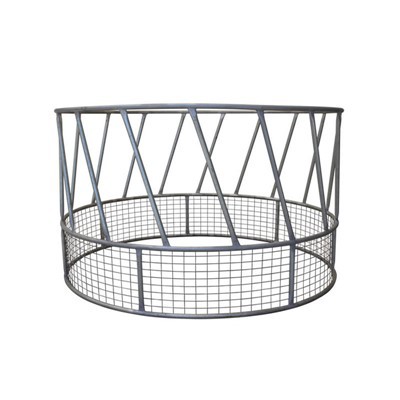
So if you’re ready to talk pigs, ask more questions, or set up a time to come see our farm, just reach out. We’d love to chat, answer whatever you need, and make sure you get the right pig for your needs. Don’t hesitate to connect with us for all your pig supply needs.
Pig References
- National Pork Board. Pig Terminology and Production Practices.
- United States Department of Agriculture. Swine Production and Management Guide.
- American Mini Pig Association. Care and Terminology for Domestic Swine.
Hebei Honde Industrial Trade Imp & Exp Co., Ltd.
Address: Room 1904, Yintai International Building, No.36 Guang’an Street, Shijiazhuang, Hebei, China
E-mail: livestock@hbhonde.com
WebSite: https://www.hondelivestocksupply.com/
