Hey there! If you’ve ever driven past a sleek metal building, a shiny appliance, or even a colorful metal fence that stands up to rain, sun, and snow without rusting or fading, you’ve probably seen the end result of a coil coating line. As a coil coatings supplier, I get asked all the time what exactly this whole setup is, and why it’s way different from painting metal by hand. Let me break it down like I would to a new client who just sent over their first inquiry about a job shop project. Coil Coatings
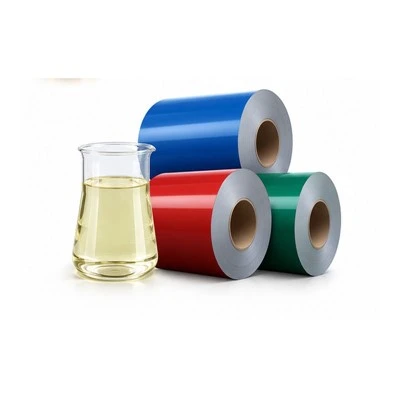
First off, stop thinking “painting metal” and start thinking “continuous metal processing.” A coil coating line is basically a long, conveyor-style production loop that takes big, flat metal coils (usually steel or aluminum, rolled up tight like a giant burrito you’d find at the grocery store—way bigger, obviously) and turns them into pre-painted, super durable metal sheets in one seamless run. No stopping, no hand brushing, no uneven coats. That’s the big sell for manufacturers because it’s fast, consistent, and way better for the environment than old-school batch painting.
Let me walk you through how the line works, step by step, so it makes sense. First, you’ve got the uncoiler—this is the machine that holds the giant metal coil and feeds it into the line. Imagine pulling a roll of paper towels out of the holder, but way heavier, and it’s pulling the metal straight, not unrolling it to use sheet by sheet. Once the metal is straight, it goes through a weld station if you’re running multiple coils in a row. Why weld? If one coil runs out, you don’t have to shut the whole line down to load a new one. Just weld the end of the current coil to the start of the next, and the line keeps rolling like nothing happened. That saves tons of time on big production runs.
Next up, the part no one talks about enough: pretreatment. This is make-or-break for how well the paint sticks and how long the finish lasts. You can’t just slap paint on bare metal—it’ll peel or rust in a year. So first, the metal goes through a series of washers. We’re talking hot, alkaline cleaners to get rid of oil, dirt, and mill scale (that crumbly rust-like stuff left on metal after it’s rolled). Then a rinse with clean water, maybe a light acid wash to etch the surface a little so the paint has something to grab onto. Some lines skip to a conversion coating after that—usually something like zinc phosphate for steel or chromate for aluminum (though we use eco-friendly alternatives now, no harsh chrome stuff for most jobs anymore). This layer is thin, invisible, and acts like a glue between the metal and the top coat. A lot of people think the paint is the star, but the pretreatment is 50% of why a coil-coated roof lasts 20 years instead of 5.
After pretreatment, the metal is dried. No moisture means no bubbling paint later. Big ovens here, set just right—hot enough to evaporate every drop of water, not so hot that it warps the metal. Once it’s dry, it’s time for the first coat: the primer. The primer is usually a thin coat, applied evenly with either a roller or a spray system. Wait, why two coats? The primer sticks to the metal, the top coat sticks to the primer. Double the adhesion, double the durability. The primer goes into another oven to cure—meaning it’s heated until it’s fully dried and hardened, not just wet. Curing is key here; if the primer isn’t fully cured, the top coat won’t bond right, and you’ll have issues down the line.
Then the fun part: the top coat. This is the color you see—navy blue for a commercial building, white for a fridge, metallic silver for a car part. Top coats can be polyester (great for exterior stuff that needs to hold up to UV rays, like roofs), vinyl (super smooth, high-gloss for appliances), or even fluoropolymers for things like coastal buildings where salt air is a problem. The application here is precise—rollers or electrostatic sprayers, so every inch of the metal has the exact same thickness. Too thick, and it’ll drip or crack; too thin, and it won’t last. Most lines have a way to check the thickness on the fly, so if something’s off, they adjust the spray or roller speed right away.
After the top coat is applied, it goes through the final cure oven. This is hotter, usually around 400-500°F, depending on the paint type. The heat causes the paint resins to cross-link, turning that wet coat into a hard, flexible, protective layer. Once it’s cured, the metal goes through a cooling section—fans blow room-temperature air so it’s not too hot to handle when it gets to the next step.
The last part before the coil is rewound or cut to size is the inspection. A lot of modern lines have cameras that scan every inch of the metal for defects—like thin spots in the paint, small scratches, or bubbles. If the camera picks something up, the line slows down, and a worker (or even a robot now) marks the spot so it can be fixed later. Some lines also have a quality check where they scrape the paint or test its hardness to make sure it meets specs. Then, if it’s all good, the line either cuts the coated metal into sheets with a shear (for manufacturers who need flat sheets) or rewinds it into a new coil (for folks who need roll form products, like metal siding that’s bent on site).
Now, let’s get into why this matters, not just as a process, but for you if you’re working in construction, appliances, or automotive. Let’s compare coil coating to other methods. If you hand paint metal, you’re dealing with inconsistent coats—some areas too thick, some too thin. It’s slow, so big jobs take forever, and you might have to touch up spots later. Powder coating is another option, but that’s batch-based, so you can’t run a single color in a single day if you only need a few thousand pounds. Coil coating is continuous, so it’s super efficient for both big runs and small, flexible orders. Also, the waste is way lower—when you paint by hand, you’ve got leftover paint, rags, and overspray that’s hard to dispose of. Coil coating lines have closed-loop systems that recycle most of the paint and water, so less waste, less cost, and better for the planet.
Wait, I should also mention the different types of coils, because not all coil coating lines are the same. Some are for thin aluminum (like for gutters), some for thick steel (for commercial building walls), some for specialty metals (like galvanized steel for outdoor use). As a coil coatings supplier, we work with lines that handle all of these, so we can match the right paint to the right metal for your project. For example, galvanized steel has a zinc coating, so the pretreatment has to be adjusted a little to make sure the paint sticks to both the zinc and the steel underneath—something we’ve figured out over years of working with different line setups.
Another thing people don’t realize: coil coating is way more durable than other finishes. A coil-coated metal roof can last 20-30 years without fading, chipping, or rusting, even in extreme climates—deserts with 100°F summers, coastal areas with salt spray, or snowy places with ice and road salt. That’s because the finish is uniform, no missed spots, and the pretreatment creates that strong bond. We’ve had clients tell us their coil-coated buildings look brand new 15 years later, whereas their old hand-painted ones needed a full repaint every 5 years. That’s a huge cost savings over time.
Now, if you’re someone who’s looking to source coil-coated metal, you might be wondering what specs you need to care about. First, the paint type—polyester for most exterior, fluoropolymer for coastal, vinyl for appliances. Second, the coat thickness—usually 0.5 to 1 mil for top coats, maybe 0.3 to 0.5 mil for primers. Too thin, and it won’t last; too thick, and it’ll crack when the metal is bent (which is a big deal if you’re making siding or gutters that get formed on site). Third, the finish—matte, semi-gloss, high-gloss, metallic, whatever you need. A good coil coating line can match any RAL color, too, so you can get exactly the shade you want for your building or product.
I’ve heard a lot of people say, “Why not just buy pre-painted metal from a local supplier?” Well, local suppliers might have limited colors or coat types, and their metal might have been sitting in a warehouse for months, which can damage the finish. Coil coating lines make the finish right on the coil, so it’s fresh, and you can usually get custom colors in a week or two instead of waiting for a warehouse shipment. Plus, as a supplier, we work directly with coil coating lines, so we can negotiate the best rates and make sure the metal is cut to your exact size, no extra work for you.
Wait, let’s clear up a common myth: coil coating isn’t just for big manufacturers. A lot of small shops use smaller coil coating lines now, too, so even if you only need a few hundred sheets for a small project, you can get coil-coated metal instead of hand-painting it. That’s something we’ve seen more and more of lately—small construction companies, custom furniture makers, even people doing DIY projects for their own homes. It used to be only big commercial builders, but now it’s way more accessible.
So, to wrap this up: a coil coating line is a continuous, automated system that turns raw metal coils into uniform, durable, custom-colored metal by walking it through pretreatment, priming, top coat application, curing, and inspection. It’s way better than hand painting or batch painting for speed, consistency, durability, and cost. Whether you’re building a commercial warehouse, making appliances, or putting up a fence, coil-coated metal is the way to go for a finish that lasts.
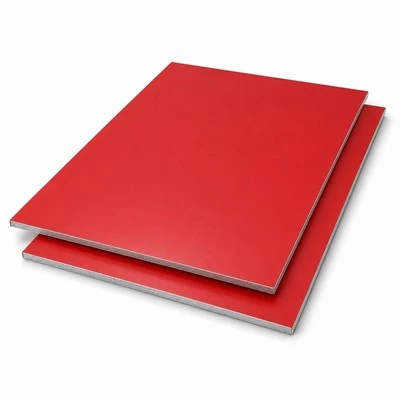
If you’re looking to source coil-coated metal for your next project, or you’ve got questions about what paint type or metal spec works best for your needs, don’t hesitate to reach out. We’ve got years of experience working with coil coating lines and can help you every step of the way, from choosing the right material to getting the exact finish you want. Just connect with us to start talking through your requirements—we’re here to make your project as smooth and successful as possible.
Coil Coatings References
- Coil Coating Association. (2022). The Basics of Continuous Coil Coating. Industry Technical Brief.
- American Iron and Steel Institute. (2021). Durability of Coil-Coated Steel for Exterior Applications. Construction Materials Report.
- International Zinc Association. (2020). Pretreatment Processes for Galvanized Steel in Coil Coating. Coating Technology Guide.
Ping Yuan Wen Te Industry Co., Ltd.
As one of the most professional coil coatings manufacturers and suppliers in China, we also support customized service. Please feel free to wholesale high quality coil coatings in stock here from our factory. Welcome to contact us for quotation.
Address: Longmen Economic Development Zone, Pingyuan County, Dezhou City, Shandong Province
E-mail: pywente@outlook.com
WebSite: https://www.wenteglobal.com/
