If you’ve ever wandered through India’s bustling bazaars—whether in Delhi’s Chandni Chowk, Jaipur’s Johari Bazaar, or Cochin’s Marine Drive—you’ve likely been stopped short by the sheer vibrancy of its traditional souvenirs. As someone who’s spent over a decade as a Gifts and Souvenirs supplier working directly with artisans across the country, I’ve learned that these mementos aren’t just trinkets to sell; they’re tangible threads of India’s cultural, religious, and regional identity. Every piece has a story, often one that’s been passed down through generations of craftspeople, and that’s what makes them so special to travelers—and to businesses looking to offer something authentic, not mass-produced. Gifts and Souvenirs
Let’s start with the most iconic of Indian souvenirs, and one that’s a staple in every global gift shop I work with: handwoven textiles, especially silk and cotton. India has been a global leader in textile production for millennia, with regions specializing in distinct styles that reflect local history and climate. Take Banarasi silk, for example, from the city of Varanasi (formerly Benares). These sarees are woven with gold and silver zari threads, often featuring intricate motifs of lotus, peacock, or scenes from the Ramayana, and each takes anywhere from two weeks to six months to make by skilled weavers in narrow, sunlit workshops. I once visited a small cooperative in Varanasi where a 72-year-old weaver named Kashi told me he’d been crafting Banarasi sarees since he was 12, and each piece carries the sound of his loom as much as the threads themselves. Then there’s Kantha stitch work from West Bengal, a technique originally used to mend old cotton sarees, now transformed into vibrant table runners, tote bags, and wall hangings. Kantha pieces are stitched with running thread to create layered patterns of flowers, animals, and folk tales, and their soft, lived-in feel makes them popular with travelers who want something that feels both useful and meaningful. For those looking for a lighter, everyday souvenir, Rajasthan’s block-printed cotton—like Bagru and Sanganeri prints—are a hit. These use natural dyes extracted from indigo, turmeric, and madder root, carved wooden blocks, and centuries-old patterns that date back to Mughal times. A set of block-printed napkins or a cotton scarf is small, affordable, and easy to ship, which makes them a top seller for our clients.
Next on the list: metal crafts, a category that’s as diverse as India’s 28 states. Madhubani metal work from Bihar, wait no—wait, let’s clarify that Madhubani is actually a painting style, but metal crafts like Bidriware are a must. Bidriware comes from the town of Bidar in Karnataka, and it’s a striking craft that combines black metal (alloyed from zinc and copper) with silver inlay to create intricate patterns of flowers, calligraphy, or mythological figures. The process is meticulous: the surface is oxidized to a deep matte black, then artisans use a sharp chisel to etch designs, which are filled with molten silver and polished to a shiny finish. I remember the first time I held a Bidriware incense burner; the contrast between the dark metal and bright silver felt both ancient and modern, and it’s been one of our most consistent sellers for home decor. Then there’s Dhokra metalwork, a tribal craft practiced by communities like the Santhal and Ho across Jharkhand, Odisha, and Chhattisgarh. Dhokra uses the lost-wax casting method, one of the oldest metalworking techniques in the world, to make everything from small elephant figurines (a symbol of good luck in India) to decorative plates. What I love about Dhokra is that each piece is slightly unique, because the wax mold can only be used once—no two are exactly alike, which appeals to travelers who hate generic souvenirs. For something a bit more vibrant, Channapatna toys from Karnataka are hard to beat. These are hand-painted wooden toys, traditionally made from ivory wood (now sustainably sourced from Karnataka’s forests) and colored with natural dyes, and they’ve even earned a Geographical Indication (GI) tag, which means only Channapatna artisans can make and sell them under that name. They’re safe for kids, eco-friendly, and their bright, playful designs of animals, gods, and folk characters make them popular for family-focused gift lines.
Moving on to art and stationery, another category that’s seen a surge in demand from international buyers. Madhubani paintings (also called Mithila paintings) are a folk art form from the Mithila region of Bihar, traditionally painted on walls during weddings and festivals. Today, artisans create them on paper, canvas, and even wooden coasters, depicting scenes from Hindu epics, nature, and village life. What makes Madhubani special is its use of bold, geometric lines and vibrant colors—yellow from turmeric, red from sindoor, green from leaves—and every piece tells a story. I recently worked with a group of Madhubani artists who now sell their work as greeting cards, journal covers, and wall art, and they’ve told me that their international clients love that each card includes a small handwritten note explaining the story behind the painting. Another iconic art form is Tanjore painting from Tamil Nadu. These are ornate, devotional paintings that feature Hindu gods and goddesses, often with gold leaf, semi-precious stones, and a thick, gesso background that gives them a three-dimensional look. Tanjore paintings have a rich history dating back to the 16th century, and they’re considered both art and spiritual decor, which makes them a premium souvenir for customers looking for something with cultural weight. For those who prefer more functional art, handmade paper stationery from Rajasthan is a great option. Artisans in cities like Jaipur and Udaipur make paper from cotton rags, recycled fabric, even buffalo dung (yes, you read that right—it’s odorless and super durable), and then add block prints, calligraphy, or pressed flowers to make notebooks, cards, and journals. These are zero-waste, eco-friendly, and align perfectly with the growing global trend of sustainable gifts.
Religious and spiritual souvenirs are another massive category, and India’s diversity means there’s something for every faith, not just Hinduism. For Hindu travelers, items like Rudraksha beads (seeds from the rudraksha tree, believed to have spiritual powers) are popular, often strung into mala (prayer beads) or bracelets. I’ve seen these sell best when paired with a small card explaining their significance, so buyers know the story behind them. Buddhist souvenirs from places like Varanasi, Sarnath, and Dharamsala are also in high demand: small Buddha statues (often made from brass or stone), wooden prayer wheels, and incense made from sandalwood or temple herbs. Tibetan Buddhist prayer flags, which are printed with mantras and hung to spread peace and good fortune, are another staple—they’re lightweight, colorful, and have a deep spiritual meaning that resonates with many international customers. Even for Muslim travelers, there are traditional souvenirs like calligraphy art of Quranic verses, or embroidered prayer rugs from regions like Lucknow, which feature intricate chikankari work (a delicate white embroidery technique). What I’ve learned over the years is that the best religious souvenirs aren’t just objects—they’re representations of India’s pluralism, a country where different faiths have coexisted for centuries.
Beyond these categories, there are smaller, more regional souvenirs that have their own loyal followings. For example, Kashmir’s handwoven papier-mâché items—boxes, coasters, wall hangings—made from layers of paper pulp, molded, and painted with floral or geometric patterns. They’re lightweight, colorful, and have been a Kashmiri tradition for over 500 years. Then there’s Kerala’s coir products: mats, doormats, and even tote bags made from coconut husk fiber, which are 100% natural and biodegradable. I once shipped a container of Kerala coir tote bags to a customer in Canada, and they told me they sold out in two weeks because they were perfect for eco-conscious shoppers. And let’s not forget India’s spices, a souvenir that’s both practical and iconic. Pure, unadulterated Indian spices like turmeric, cardamom, and chai masala, sold in small, decorative tins or cloth bags, are a hit for food lovers—especially when they’re sourced directly from small-scale farmers in places like Kerala or Andhra Pradesh, not mass-produced in factories.

As someone in the gifts and souvenirs industry, my biggest piece of advice for anyone working with Indian craftspeople is to prioritize authenticity and fair trade. So many souvenirs sold today are mass-produced in factories in China, with little connection to the original craft or artisan. That’s why I only work with cooperatives and individual artisans directly, paying them fair wages and ensuring that their traditional techniques are preserved, not exploited. When a traveler buys a Banarasi saree from a small workshop in Varanasi, they’re not just buying a piece of cloth—they’re supporting a family that’s been crafting that item for generations, and that’s the kind of story that turns a one-time purchase into a lifelong connection to India.
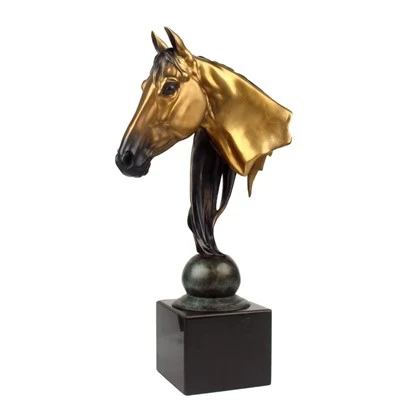
Souvenir Bronze Statue If you’re a retailer, boutique owner, or buyer looking to add authentic, culturally rich Indian souvenirs to your inventory, I’d love to talk. I’ve spent years building relationships with artisans across India, so I can help you source pieces that fit your brand—whether you’re looking for premium home decor, affordable everyday souvenirs, eco-friendly items, or spiritual goods. Each piece comes with a small, detailed card explaining its origin, the artisan who made it, and the cultural significance behind it—something that will make your customers value their mementos even more.
References
- Geographical Indications Registry, Government of India. (2024). GI Tagged Products of India.
- Das, S. (2022). Traditional Textile Crafts of India: History, Techniques, and Artisans. Oxford University Press.
- Kumar, R. (2021). Metal Crafts of India: Bidriware, Dhokra, and Beyond. National Craft Museum Publication.
- Ministry of Textiles, Government of India. (2023). Handicrafts and Handlooms Export Data of India.
- Singh, L. (2020). Folk Art Forms of India: Madhubani, Tanjore, and Patachitra. Penguin Random House India.
Huizhou Hexin Intelligent Manufacturing Industrial Co., Ltd.
Huizhou Hexin Intelligent Manufacturing Industrial Co., Ltd. is one of the most professional gifts and souvenirs manufacturers and suppliers in China. Please feel free to buy the newest gifts and souvenirs made in China here and get pricelist from our factory. All customized products are with high quality and competitive price.
Address: No.31, Second Industrial Zone, Nankeng Village, Xinxu Town, Huiyang District, Huizhou City, Guangdong Province, P.R.China
E-mail: zhangran@bronzehexin.com
WebSite: https://www.bronzehexin.com/
