Hey everyone, it’s Jake from your go-to gas generator crew—let’s cut to the chase: carbon monoxide (CO) poisoning from generators is no joke. I’ve seen way too many people get hurt because they didn’t know the basics, and as someone who’s been selling, installing, and servicing these bad boys for years, I feel like it’s my job to keep you safe. Most folks think “it won’t happen to me,” but the truth is, CO is odorless, colorless, and can sneak up on you faster than you realize when you’re stressed—like during a power outage from a storm or hurricane. Let’s break down exactly how to avoid this deadly risk, no fancy tech jargon, just real stuff we deal with every day. Gas Generator
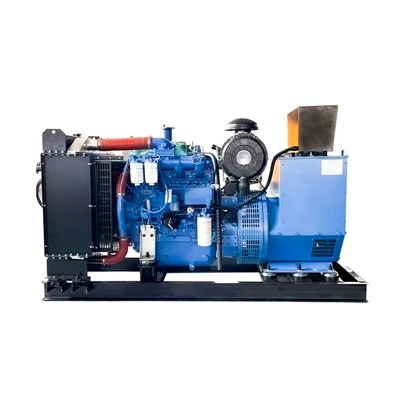
First off, let’s get one non-negotiable rule straight: never, I mean never, run a gas generator inside your home, garage, basement, or even your carport—even if you think the door is open. Wait, what about a porch? Nope, not even an attached porch. Here’s why: CO builds up fast in enclosed or semi-enclosed spaces. I remember a customer a couple years back who dragged a generator into his garage during a ice storm, cracked the door a little, and passed out overnight. Luckily his wife woke up weird, called 911, but he still ended up in the ER for two days. That’s not a story to brush off. Even with a window open or a fan blowing, you can’t outrun CO in tight spaces. I’ve tested this with our service team—when a generator’s running, even a three-foot gap in a garage wall lets CO levels jump to dangerous amounts in 10 minutes. It seeps through cracks, works its way up stairs, and fills rooms before you even smell something wrong (but you can’t smell it, so that’s the problem).
Next, where should you put it, then? The sweet spot is at least 20 feet away from any building, with the exhaust pointing away from doors, windows, and vents. And don’t just plop it on the ground—set it on a hard, flat surface like a concrete pad, and make sure it’s sitting in a spot where wind won’t blow exhaust back toward you. We’ve had people tuck generators behind a shed to “keep it out of the way,” but wind shift? Boom, exhaust blows right toward their house. If you’re running multiple generators (some folks do for big homes or job sites), space ’em even more—like 30 feet apart. Also, never use a generator in a tent, RV, or camper, even if you’re camping. I know a lot of people use generators for tailgates, too—make sure you’re parked at least 15 feet away from the tailgate area, and don’t let people huddle around the exhaust end. Small spaces, same risk.
Then there’s fuel handling, which is another big mistake. I see people fill up their generators and store extra gas inside the house all the time. That’s a double whammy: first, refueling a hot generator is a fire hazard (gas leaks can ignite on a hot engine), and second, storing gasoline inside the home is a fire risk too—and if there’s a leak, the fumes mix with CO to make an even deadlier combo. When you refuel, shut the generator off, let it cool for at least 15 minutes (we always say 20 just to be safe), and wipe up any spilled gas immediately. Store extra fuel in UL-listed cans—those are the red metal ones with the special vent, not a random milk jug or plastic bucket. Never store more than 5 gallons of gas inside your home, period. Even during a outage, gas goes bad in 30 days, so you’re wasting space and risking a leak. We always tell customers to only buy as much gas as they’ll use in the next two weeks, stored outside in a locked shed or utility closet that’s not attached to the house.
Wait, what about extension cords? That’s a common thing people mess up too, and it ties into safety. You shouldn’t daisy-chain extension cords (plug one cord into another) unless they’re both heavy-duty and rated for the power draw of your generator. Using a flimsy cord can cause overheating, which is a fire risk, but also—if the cord’s too long or not rated, the generator has to work harder, which can lead to more CO emissions. Also, never plug the generator directly into your wall outlets. That’s called “backfeeding,” and it’s super dangerous because it can send electricity back into the power lines, which can kill linemen working to fix the outage. We’ve had so many people ask about this, and we always say: use UL-listed outdoor-rated extension cords, and plug only the devices you need into the generator—refrigerator, phone chargers, sump pump, lights—skip the big AC units or space heaters if you don’t need ’em, to keep the generator from overworking.
Now, the smart tools you should actually use (we sell these, but they’re non-negotiable, not upsells). First, a CO alarm. Wait, not a regular smoke alarm—get a battery-powered (or plug-in with backup) CO alarm that’s tested by a trusted lab, like UL. Put one on every floor of your home, near bedrooms, not in the kitchen or garage (those spots can have false alarms from cooking fumes or car exhaust). Test them once a month, change the batteries every 6 months. A lot of people skip these, but I’ve seen CO alarms save lives—last hurricane season, a customer’s alarm went off at 2 a.m., he noticed his generator was too close, moved it, and avoided a crisis. Another thing: if your generator has a built-in CO shutoff, use it. We add that to most of our modern generators now—if CO levels get too high around the unit, it automatically shuts down. Old generators don’t have that, so if you have an older model, definitely make sure you’re extra strict with placement.
Let’s talk about the symptoms, because knowing what to look for can be the difference between life and death. CO poisoning symptoms are weird because they feel like the flu—headache, dizziness, nausea, fatigue, confusion, shortness of breath. A lot of people brush it off during a outage, thinking they’re just tired from no power or stressed about the storm. But if multiple people in your home have the same symptoms at the same time—especially when the generator’s running—that’s a red flag. And pets are even more sensitive to CO, so if your dog or cat is acting off, that’s another sign. If you suspect CO poisoning, get outside immediately, call 911, and don’t go back in until emergency crews say it’s safe. Don’t mess around with this—CO can cause brain damage or death in minutes at high levels.
Wait, let’s clear up some myths I hear all the time. Myth 1: “I can run it for an hour, no big deal.” No—even 10 minutes in a small space can hit dangerous levels. Myth 2: “I can keep a window open to vent.” Nope, not enough—we did a test in a customer’s garage with a window open 6 inches, and CO levels hit 70 ppm (the EPA’s action level is 9 ppm) in 15 minutes. That’s way too high. Myth 3: “New generators don’t produce CO.” Wrong—all gasoline generators emit CO, regardless of age or size. Even the quiet, portable ones make it, so you can’t let your guard down.
Now, what about when you’re storing your generator? When a outage’s over, don’t just shut it off and leave it sitting. Let it run for a few minutes to cool down, then clean it up—wipe any dirt or gas off the engine, check the oil level, and make sure the fuel tank is full (or empty, if you’re storing it for a long time) to prevent moisture buildup. Store it in a dry, well-ventilated spot outside, not in your basement. We recommend servicing your generator every 100 hours, or once a year, even if you didn’t use it much—we have a service team that can come out, but if you’re handy, check the air filter, spark plug, and oil before each use.
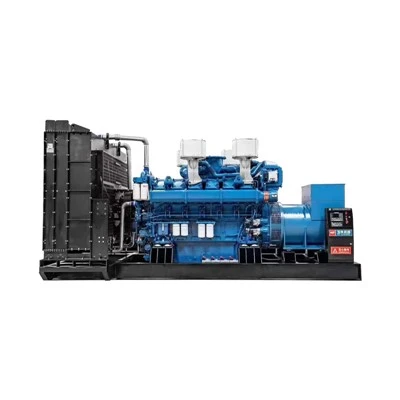
Here’s the thing: generators aren’t just tools for outages—they’re for tailgates, job sites, camping, even powering a workshop. But with that convenience comes responsibility. At the end of the day, the goal is to keep your family safe, avoid a trip to the ER, and not have to deal with the stress of a CO scare. If you’re in the market for a new generator, we’ve got models with built-in CO shutoffs, smaller portable ones for tailgates, and larger units for whole homes—all tested to meet safety standards. We can also walk you through exactly where to place it for your space, give you extension cord recommendations, and answer any safety questions you have—no pressure, just straight talk.
Gas Generator Don’t wait until a storm hits to figure this out. Stock up on CO alarms, make sure your generator’s in good shape, and plan your spot before you need it. CO poisoning is 100% preventable if you follow these rules—no guesswork, no shortcuts. If you’re ready to get a generator, need a safety check, or just want to ask more questions, hit us up to talk through your needs. We’re here to help you stay safe, not just sell a product.
References
- Centers for Disease Control and Prevention (CDC). Carbon Monoxide Poisoning: Generators and Other Gas-Powered Tools.
- U.S. Consumer Product Safety Commission (CPSC). Generator Safety Basics.
- Occupational Safety and Health Administration (OSHA). Carbon Monoxide Hazards from Portable Generators.
- National Fire Protection Association (NFPA). Portable Generator Safety Guidelines.
Weifang Bofa Power Equipment Co., Ltd.
We’re well-known as one of the best gas generator suppliers in China. With a professional production team, we are able to meet the needs of the majority of our customers. Please feel free to buy cheap gas generator for sale here from our factory. For price consultation, contact us.
Address: Lianhuachi Village, Fangcheng Street Office, Fangzi District, Weifang City, Shandong Province.
E-mail: sales@wfbofapower.com
WebSite: https://www.wfbfgenset.com/
