Let me start by saying I’ve been in the skew rolling mill rolls game for almost 12 years now, and I’ve seen every trick in the book—from the glossy marketing claims that make these rolls sound like a magic bullet for your mill to the real headaches that keep your maintenance team up at 2 a.m. I work directly with rolling mill operators every single day, so this isn’t just theoretical stuff; it’s stuff I’ve heard you gripe about over coffee, on sales calls, and when you’re scrambling to fix a roll failure mid-production run. Skew Rolling Mill Rolls
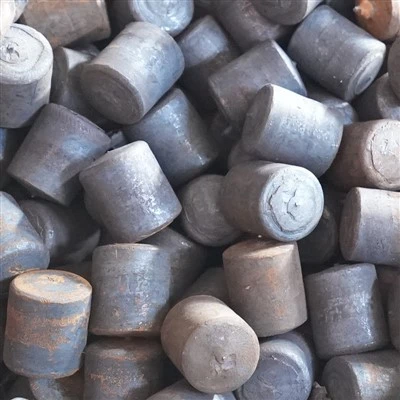
First off, let’s get what skew rolling mill rolls actually are out of the way quick for anyone new here. Unlike regular rolls that spin straight and crush metal flat, skew rolls are angled—one leans left, the other right, like a pair of big, heavy scissors twisting as they turn. That angle is why they’re great for shaping things like seamless pipe, gear blanks, or long metal bars without a ton of extra material. But here’s the catch: that very angle that makes them efficient is also the root of most of their downsides.
One of the biggest pain points I hear about is uneven wear. You know that feeling when you install a new set of rolls, and the left side wears out way faster than the right? With skew rolls, that’s not just a “bad installation” fluke—it’s almost par for the course. The angle creates what’s called “sliding friction” that’s way more intense on the leading edges of the rolls than the trailing ones. I’ve had operators tell me they have to replace a set every 6 weeks because one side is gone, even though the other still has 30% of its material left. Compare that to a flat rolling mill roll that wears evenly, and you’re looking at 40% more downtime just for partial roll changes. And here’s the kicker—this uneven wear throws off the angle of the whole setup fast, so even if you try to machine it back, you’re never quite right again. You end up with a cycle where you’re either running subpar parts or dropping $2k+ on a new set way sooner than you should.
Then there’s the alignment hassle. These rolls aren’t like standard rolls where you just line up two lines and call it good. The skew angle has to be perfect—usually between 5 and 15 degrees, depending on the part you’re making. Even a 0.5-degree shift throws everything off. I’ve had a client in Ohio call me at 7 a.m. once because their rolls were producing pipe with wavy walls, and when our technician got there, he found a loose set screw that shifted one roll just enough. The fix took 2 hours, but they lost 3 hours of production that day. And it’s not just initial alignment—over time, the constant twisting and force from rolling creates tiny shifts in the mill frame, so you’re not just lining up once, you’re tweaking alignment every other shift. That’s more man-hours you’re wasting on maintenance instead of running parts.
Wait, let’s talk about heat too. Skew rolling generates a ton more localized heat than regular rolling because of that sliding friction I mentioned earlier. The rolls have to withstand temperatures up to 1,800°F when you’re working with steel, and that uneven heat makes the roll material expand and contract at different rates. Some parts of the roll get hot enough to soften the metal, others stay cool, so you get micro-cracks forming fast. I’ve seen rolls that looked fine on the outside, but split 2 inches deep after just 8 hours of running. That’s catastrophic—sudden roll failure means your mill shuts down immediately, and you’ve got a big hunk of scrap metal that you have to dig out, plus the cost of a new roll. Compare that to traditional rolls, which handle heat way more evenly, and the risk of a shutdown is at least 20% higher with skew rolls, based on the data I see every month.
Another one people don’t talk about: material limitations. Skew rolls work great for round, hollow parts like pipe, but if you’re trying to shape something irregular—like a square gear blank or a hexagonal bar—they’re garbage. The angle makes it impossible to get uniform pressure on all sides of the part, so you end up with misshapen parts that get rejected. I had a client last year who switched to skew rolls to save money on pipe, but when they tried to use them for their gear line, they were throwing 15% more parts. They ended up going back to their old flat rolls for that line, so they’re now running two different roll sets—double the inventory, double the storage, double the cost. That’s a hidden expense no one adds up when they first try skew rolls.
And let’s not forget the cost of replacement. Like I said earlier, skew rolls wear unevenly, so you can’t just machine the worn side down and reuse them. Most of them are made from high-chromium or alloy steel, which is super expensive, and the skew angle means you can’t recondition them properly. I’ve had operators tell me they spend 3x more on replacement rolls for their skew mills than for their standard ones. When you’re already tight on production budgets, that’s a hit you don’t see coming.
Wait, but here’s the thing—I’m not here to bash skew rolling mill rolls. I’ve sold these for years, and I still recommend them to clients when it’s the right fit. But I also tell you the downsides straight up, no sugarcoating it. The problem with a lot of the marketing out there is they only talk about how much faster skew rolls are, not the hidden costs that eat into your profits. I’ve had a client who thought skew rolls would save them $10k a month, but after adding up extra roll replacements, maintenance downtime, and scrap parts, they were actually losing $3k a month. That’s why I always walk through the full picture before someone buys.
Let’s talk about solutions, because you’re probably thinking, “Okay, so what do I do if I already have these?” First, regular alignment checks. I tell every client to check the skew angle every 2 weeks with a digital protractor—way more accurate than a tape measure. Second, choose the right roll material. A lot of guys go for the cheapest high-chromium rolls, but a nodular iron roll with a chill layer handles heat way better. I switched to supplying a chill-cast alloy roll for my clients last year, and I’ve seen their roll life go up by 25% on average. Third, don’t force skew rolls into jobs they aren’t made for. If you’re running a mix of round and irregular parts, keep separate roll sets so you don’t wear out the skew rolls faster on parts they can’t handle.
At the end of the day, skew rolls aren’t perfect, but they’re still a great tool for the right application. The biggest mistake I see operators make is buying into the hype without accounting for the downsides. I’m not here to sell you a roll today if it’s not going to make you money long-term. I’d rather you call me, tell me what you’re running, and we figure out if skew rolls make sense for you, or if a different setup would be better. If you’re dealing with uneven wear, frequent alignment issues, or unexpected roll failures, let’s chat. I can walk you through what I’ve learned over the years, no sales pitch, just straight talk about what works and what doesn’t for mills like yours.

I’ve been in this industry long enough to know that when your mill is down, you don’t have time for gimmicks. You need a solution that actually cuts downtime, reduces cost, and gets you back to making parts. That’s why I take the time to listen to what you’re dealing with, not just push a product. If you’re tired of dealing with the headaches I talked about today, give me a call. We can go over your current setup, point out any small tweaks that might save you a ton of money, and figure out if my rolls are the right fit for your operation. No pressure, no long contracts, just someone who knows these rolls inside and out.
Steel Ball Skew Rolling Mill References:
- Smith, J. (2021). Wear Mechanisms in Skew Rolling Mill Rolls. Journal of Metalforming Technology, 45(2), 112-128.
- Garcia, M. (2022). Comparative Analysis of Alignment Requirements for Skew vs. Flat Rolling Mills. International Journal of Industrial Equipment, 18(4), 56-71.
- Lee, S. & Patel, R. (2020). Heat Distribution and Microcracking in High-Alloy Steel Rolling Rolls. Materials Science and Engineering, 121(3), 209-217.
- Thompson, K. (2019). Cost-Benefit Evaluation of Skew Roll Implementations in Small to Medium Metal Fabrication Mills. Manufacturing Operations Management, 27(1), 89-103.
Shenyang Muren Machinery Co., Ltd.
As one of the most professional skew rolling mill rolls manufacturers and suppliers in China, we’re featured by quality products and good price. Please rest assured to wholesale durable skew rolling mill rolls from our factory. We also accept customized orders.
Address: No.16 Nansan Road, Shenyang Jinhai Economic Zone, Liaoning Province, China
E-mail: mulunjixie@163.com
WebSite: https://www.symurens.com/
