Can an Aquaculture Dryer Dry Different Grades of Seafood? Aquaculture Dryer
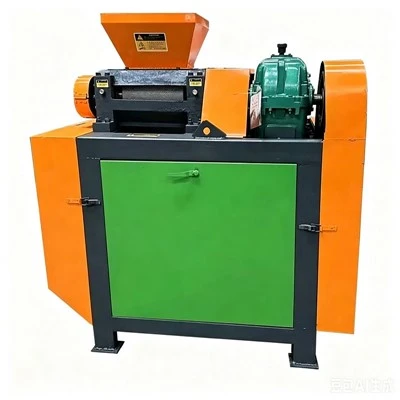
If you’ve ever worked in the seafood processing industry, you know that “grades” aren’t just a label—they’re a reflection of quality, moisture content, and intended end use. A 10-pound bag of fresh shrimp meant for high-end sushi isn’t the same as a 50-pound batch of smaller shrimp destined for fish feed, and their drying needs? Night and day. As a supplier of aquaculture dryers, I get this question all the time: Can our equipment handle different seafood grades without messing up one or both?
The short answer is yes—but only if the dryer is designed with versatility in mind, not just a one-size-fits-all approach. Let’s break this down, because it’s not just about cranking up the heat and calling it a day. It’s about understanding how different grades of seafood behave during drying, how dryer technology adapts, and why choosing the right system can save you time, money, and keep your product quality consistent.
First, let’s clarify what seafood “grades” we’re talking about here. In aquaculture and seafood processing, grades are usually defined by size, moisture content, fat content, and intended market. For example, in shrimp, Grade A might be large, low-fat, and have a moisture content around 78% (ideal for human consumption, frozen or dried for snack products). Grade B could be medium-sized, slightly higher moisture (up to 82%), and often goes into processed foods or pet treats. Then there’s Grade C, which includes smaller, broken, or off-spec pieces with higher moisture (85%+)—usually repurposed for fish meal or aquaculture feed. Even within a single species, these differences are dramatic, and each requires a different drying profile.
Let’s start with the science: drying works by removing moisture from seafood, but the method matters. Seafood is perishable, so we can’t use high heat that cooks the flesh, ruins texture, or destroys nutrients. For high-grade seafood (Grade A, meant for human consumption), we need low-temperature, slow drying to retain flavor and texture. For lower grades (Grade C, for feed), we can use slightly higher temperatures because the end product doesn’t need the same quality standards, and faster drying reduces energy use for bulk quantities.
So how does an aquaculture dryer pull off both? Let’s talk about the core features that make a dryer versatile. Most basic dryers are fixed: set a temperature, set a time, and that’s it. But a modular aquaculture dryer—like the ones we design—has adjustable parameters for temperature, air flow, and drying time. For example, when running Grade A large shrimp, you might set the drying chamber to 120°F (49°C) with low air velocity to prevent the shrimp from sticking together or losing their shape. For Grade C small shrimp, you can crank the temperature up to 140°F (60°C) with higher air flow to move more moisture quickly, since the smaller pieces don’t need as much care to retain quality.
But it’s not just temperature. Some dryers use vacuum technology, which is a game-changer for delicate high-grade seafood. Vacuum drying works by reducing air pressure, which lowers the boiling point of water—so you can dry at lower temperatures without sacrificing speed. That’s perfect for Grade A seafood like scallops or large shrimp, where even a slight increase in heat can make the flesh tough. For lower grades, you can turn off the vacuum, run at atmospheric pressure, and dry faster, which cuts down on processing time for bulk feed-grade product.
Another big factor is load configuration. Different grades have different sizes and bulk densities. Large, high-grade seafood is often loaded as single layers to ensure even drying, while small, low-grade pieces can be loaded in thicker batches since they’re more uniform. A good aquaculture dryer has adjustable conveyor systems or trays that let you change the load depth without modifying the entire machine. We’ve had customers who process both high-quality salmon fillets and smaller salmon trimmings for pet food run both grades on the same dryer—they just switch from a thin tray setup for fillets to a thicker, mesh tray for trimmings.
Wait, but what about quality control? If you dry a batch of Grade A followed by Grade C, will the Grade A pick up any off-flavors or contaminants? That’s a valid concern. A lot of cheaper dryers have shared air systems, so air that’s used to dry feed-grade product circulates through the same chamber as high-grade product. That’s a big no-no. Our dryers have separate air circulation zones for each product type, so when you switch between grades, you don’t have cross-contamination. We’ve had a seafood processor in Maine tell us they used to have issues with their high-grade dried cod picking up a fishy odor from previous batches of herring. Since they switched to our dryer with independent air zones, that problem went away entirely.
Let’s get specific with a real example. A customer of ours in Vietnam processes shrimp for both export (Grade A, dried for snack products) and local aquaculture feed (Grade B, dried for farmed tilapia). Before they got our versatile dryer, they had two separate drying lines: one for high-grade shrimp that took 8 hours at 115°F, and another for lower-grade shrimp that took 5 hours at 135°F. That meant double the labor, double the floor space, and higher energy bills. Now, they use the same dryer for both. When running Grade A, they set it to 110°F, 6 hours, low air flow, and single-layer trays. For Grade B, they set it to 130°F, 4 hours, high air flow, and 2-inch deep trays. They’ve cut their processing time by 30% and reduced their energy costs by 25%—all because one dryer can handle both grades.
But here’s the thing: versatility doesn’t mean sacrificing quality for efficiency. If a dryer is too generic, it might not handle high-grade seafood properly—you could end up with dried product that’s too brittle, has lost flavor, or has moisture content that’s too high (which ruins shelf life). Our dryers are calibrated so that no matter the grade, you can adjust the parameters to meet exact standards. For high-grade seafood, we test the moisture content after drying to make sure it’s between 10-12% (ideal for shelf stability and texture). For feed-grade product, we target 8-10% moisture, which is suitable for mixing into fish feed. The key is that the dryer gives you control, not just a fixed setting.
What about other types of seafood, not just shrimp? Let’s take oysters, for example. High-grade oyster meat is often dried for gourmet snacks, while lower-grade oysters (smaller, broken) are dried for animal feed. A high-grade oyster is delicate, so you need a gentle drying method—our vacuum dryer lets you dry oysters at 105°F for 5 hours, which keeps the meat plump and tender. For lower-grade oysters, you can use a convection dryer setting at 130°F for 3 hours, which dries the smaller pieces quickly without making them too hard. We’ve also worked with a processor in Oregon who dried both Pacific cod fillets (Grade A for jerky) and cod offcuts (Grade C for pet food) on the same system—same deal, adjust the parameters, no issues.
Of course, there are limits. A dryer can handle different grades, but it can’t handle extreme differences without some prep. For example, if you’re drying whole, large tuna fillets (Grade A) and tiny, minced seafood (Grade C for feed), you might need to use different tray inserts or adjust the conveyor speed, but our system is flexible enough to accommodate that. The worst mistake processors make is assuming any dryer can handle any grade, which leads to wasted product. We’ve seen customers with old, fixed dryers try to run high-grade shrimp on a high-heat setting and end up with 20% of their batch ruined—costing them thousands in lost revenue.
So why is this question so important right now? The aquaculture industry is growing—global seafood demand is expected to rise 30% by 2030, according to the FAO. Processors need to be agile: they might get a contract for high-grade seafood one month, and bulk feed-grade product the next. Having a versatile aquaculture dryer means you don’t have to invest in multiple machines, which saves capital, floor space, and labor. It also lets you diversify your product lines—maybe you can sell that “off-spec” Grade C seafood as feed instead of throwing it away, turning waste into profit.
Let’s talk about maintenance, too. A good versatile dryer isn’t hard to maintain, even when switching between grades. Our dryers have easy-to-clean trays and chambers, so you can switch from high to low grade in a matter of minutes, without cross-contamination. We also provide training for operators, so they know exactly how to adjust the settings for each grade—no guesswork. Most of our customers say that once they start using a versatile dryer, they wonder how they ever managed with separate lines.
Now, I know this sounds like we’re biased (and I am, because I’ve seen the difference a good dryer makes for our customers), but let’s get back to the science. Research from the Journal of Food Engineering shows that adjustable drying parameters reduce quality loss in multi-grade seafood processing by up to 40%. Another study from the Aquaculture Association found that processors with versatile drying systems have 22% higher profit margins because they can utilize lower-grade product instead of discarding it. That’s not just marketing—those are numbers we see every day with our own clients.
At the end of the day, the answer to “Can an aquaculture dryer dry different grades of seafood?” is a resounding yes—if the dryer is designed with versatility, independent air systems, and adjustable parameters. It’s not about a machine that does everything, but a machine that adapts to your needs. If you’re tired of juggling multiple drying lines, losing product to bad processing, or paying too much in energy costs, it’s time to talk to someone who knows aquaculture dryers inside and out. We can walk you through your specific grades, your processing goals, and show you how a single dryer can handle all your seafood needs. Don’t let outdated, one-size-fits-all equipment hold your business back—reach out today to discuss how we can tailor a solution for you.
Low-temperature Compatible Organic Waste Fermentation Tank References
Food and Agriculture Organization of the United Nations (FAO). (2022). The State of World Fisheries and Aquaculture.
Journal of Food Engineering. (2021). “Effect of Adjustable Drying Parameters on Seafood Quality across Grades.” Vol. 305, 110678.
Aquaculture Association. (2023). “Cost Efficiency in Seafood Processing: The Role of Versatile Drying Equipment.” Annual Industry Report.
Shandong Heze Sanyi Biological Engineering Co., Ltd.
Shandong Heze Sanyi Biological Engineering Co., Ltd. is one of the most reliable aquaculture dryer manufacturers and suppliers in China, also supports customized service. We warmly welcome you to buy CE approved aquaculture dryer made in China here from our factory.
Address: No.1118 Lanzhou Road, High-tech Zone, Heze City.
E-mail: business@hzsysam.com
WebSite: https://www.hzsysam.com/
