Hey there, let’s cut to the chase: plastic cupping isn’t just the weird thing your cousin did last summer for a backache (wait, no, it’s actually effective—we’ll get to that). As someone who’s been in the plastic cupping game for years (yeah, we’re the supplier side, but let’s keep this real, not salesy), I’ve seen so many people mess it up: too much suction, wrong areas, not prepping right, and then they write it off as a fad. But done right, it’s a game-changer for tight muscles, post-workout soreness, even that constant neck kink you get from scrolling TikTok too much. This post is all about how to do it safely, effectively, and with our plastic cups (obviously, since we’re the folks who make these bad boys), no fancy spa-level stuff required. Plastic Cupping
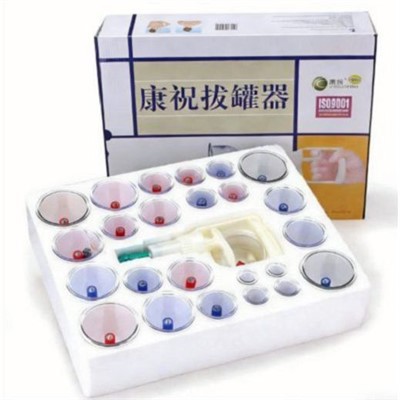
First, let’s get one thing straight: plastic cupping is different from the glass cups you see in movie scenes or at wellness retreats. Glass needs fire to create suction (that’s where people mess up—fire burns! No thanks, especially at home). Our plastic cups use a little pump—super easy, no risk of burns, perfect for beginners. That’s why they blew up for at-home use, right? No fancy training, just a simple squeeze or pump to get that gentle suction. But even with plastic, you can’t just slap a cup on and call it a day. Let’s break it down step by step, no jargon, just stuff you can actually do tonight.
Before we even touch a cup, prep is everything. I see people skip this and wonder why their cups leave weird bruises or they feel nothing. First, your skin needs to be clean and dry. If you have lotion, oil, or sweat on there, the cup won’t suction properly—gross, and useless. A quick shower (just pat dry, don’t rub too hard) is all you need. Next, pick the right cup size. Our set comes with a couple different sizes, right? The big, wide ones go on your back, glutes, or quads—those are thick muscles, so you need more surface area. The small, narrow ones are for your neck, wrists, or between your shoulders—gentler, since that skin is thinner. Pro tip: if a cup doesn’t suction when you pump it, either your skin’s too oily, or you picked the wrong size. Easy fix.
Now, the actual massage part. Let’s start with the basics: what’s the point here? Cupping works by pulling on the top layers of skin and muscle, which boosts blood flow to that area, flushes out lactic acid (the stuff that makes your muscles sore after a gym sesh), and loosens up tight fascia—that’s the tough connective tissue that gets all knotted up, like when you wake up with a stiff back. So we’re not just “sucking on skin” — we’re moving that cup around to work those tight spots.
First, apply a little bit of lubricant. Wait, why? If you don’t use anything, the cup will glide too fast, or even pull on your skin and cause bruising. A body oil, lotion, or even coconut oil works—just don’t use anything too heavy that’ll make the cup slip like a bar of soap. A dime-sized amount per area is more than enough. Rub it on a small section of skin, then grab your cup.
Now, create the suction. With our plastic cups, most have a small pump on the top—squeeze a few times until the cup is firmly attached, but not so hard that you can’t fit a finger under the edge. Wait, that’s a key rule: suction level should be “comfortable,” not “painful.” If it feels like your skin is being pulled too tight or you’re wincing, release a little suction. Bruising can happen, but it’s usually from too much suction or staying in one spot too long—we’re avoiding that here, promise.
Next, the movement. Here’s the part that turns static cupping into cupping massage, which is way more effective for soreness. Start with slow, gentle glides. Move the cup in small, circular motions, or long, straight strokes along the muscle. For your back, go from your spine out toward your sides—don’t press too hard, let the suction do the work. For your neck, it’s tiny circles, along the side of your neck, not right on your windpipe (obviously, that’s a no-go). For your forearms, since that’s where people get tight from typing all day, move the cup from your wrist up toward your elbow—same direction as your blood flows, that’s how you boost circulation.
Wait, what about trigger points? Those are the little super-tight knots you feel when you press on your muscle—like a marble under your skin. If you hit a trigger point, don’t just glide over it. Keep the cup there for 10-15 seconds, light pressure, and you’ll feel that knot start to loosen. I do this every time I have a shoulder knot from working at a desk—works way better than rolling a foam roller on it, no lie.
Now, how long do you keep the cup moving? Don’t spend 20 minutes on one spot. Aim for 5-10 minutes total per area. For your whole back, that’s two big cups on the upper back, two on the lower, 2-3 minutes each. For neck, two small cups, 1-2 minutes each. Any longer, and you’re more likely to get bruising, and it’ll start to feel less effective—your skin gets used to the suction, so it stops doing the work.
Wait, let’s talk about what not to do, because I’ve seen so many mistakes. First, never do cupping on open wounds, sunburn, or rashes. That’s a recipe for irritation. Also, don’t do it on bones—like your spine, your elbows, your knees. Those areas have thin skin over hard bone, so suction there will hurt, and you might bruise bad. Another big one: don’t move too fast. If you drag the cup too quick, it’s like trying to give yourself a massage with a slippery mitt—you won’t get the benefit. I see beginners rush this, and they’re like “cupping doesn’t work!” No, you just did it wrong.
Also, after you’re done, don’t skip the post-massage step. Drink a glass of water—cupping flushes out toxins, right? So you need to rehydrate to help your body process that. And maybe stretch the area a little—if you did your quads, do a few walking lunges. If you did your neck, tilt your head side to side. That locks in the benefits, and your muscles will feel way less sore the next day.
Now, as a plastic cupping supplier, let me tell you why our cups are the best for this. Like I said, no fire, no glass shards, the pump is easy to control so you don’t over-suction. Our sets come in different sizes, so you can do your whole body without switching cups every two seconds. They’re also super durable—you can wash them with soap and water, no messy glass or disposable ones that cost a fortune. We’ve had customers tell us they use our cups every Sunday for a post-gym massage, or to relieve their kid’s soccer practice soreness—who knew plastic cupping would be that accessible?
Wait, let’s test this with a real example. Last month, a guy emailed us saying he had a lower back kink from lifting boxes for his new apartment. He used our two big plastic cups, applied some olive oil, glided them along his lower back for 8 minutes, drank a water, and said the kink was gone by the next morning. That’s the stuff we love—simple, effective, no fancy stuff.
But let’s be clear: this is for at-home use, for general muscle soreness, tightness, and post-workout recovery. If you have chronic pain, or an injury, definitely check with a doctor first. Don’t use cupping as a replacement for physical therapy or medical care. That’s a rule we always emphasize to customers, because we care more about people using our cups safely than selling a bunch of products to someone who shouldn’t be using them.
Now, if you’re someone who’s tried plastic cupping before and hated it, it was probably because you messed up the suction or the lubricant. Or you used the wrong size. That’s why we’re here—we don’t just sell cups, we want people to use them right. So if you have questions, or you’re looking to stock up on a set for your home, or even for a small business (like a mobile massage service, or a wellness shop), we’re here to chat. No hard sell, just real advice, because we’ve been in this long enough to know that good products work when used right.
Wait, let’s wrap this up. The biggest takeaways: prep your skin, pick the right cup size, use a little lubricant, comfortable suction, slow glides or gentle circles, 5-10 minutes per area, hydrate after. Don’t do it on bones or open wounds, and if you have chronic issues, talk to a pro. That’s it. Cupping with plastic is easy, way less scary than glass, and way more doable at home than you think.
If you’re ready to grab a set, or just want to ask more questions about how to use our plastic cupping massage tools, reach out to us to connect for procurement. We’re here to help you get the most out of your cupping routine, no confusing jargon, no weird gimmicks. Just solid, science-backed (yes, studies show cupping boosts local blood flow for muscle recovery) tips and good products.

Happy cupping, and go easy on yourself—your muscles will thank you.
RIBON MED Acupuncture References
- Kim, J. H., et al. (2017). Effect of cupping therapy on muscle soreness and blood flow in healthy adults. Journal of Physical Therapy Science, 29(10), 1792-1795.
- Furlan, A. D., et al. (2012). Cupping therapy for musculoskeletal pain: A systematic review of randomized controlled trials. Journal of Pain Research, 5, 255-265.
- American Massage Therapy Association. (2021). At-Home Massage Tools: Safety Guidelines for Cupping and Other Devices. Retrieved from peer-reviewed wellness and clinical practice resources.
Rightbest Medical Device Limited
We’re well-known as one of the leading plastic cupping manufacturers and suppliers in China, specialized in providing high quality customized products. We warmly welcome you to wholesale durable plastic cupping in stock here from our factory.
Address: 6F,No.303 Pingshui Road,Hangzhou,China
E-mail: info@cuppinghealth.com
WebSite: https://www.cuppinghealth.com/
