Hey there, if you’ve ever worked in construction, industrial warehousing, or even commercial building fit-outs, you’ve probably spotted those sleek, insulated wall and ceiling panels going up. Chances are, half the time they’re PU sealed rockwool sandwich panels—they’re our bread and butter here, right? As someone who’s been supplying these panels for over a decade, I can’t tell you how many times I’ve gotten calls from installers, project managers, and even small business owners asking the same question: “How long will these panels last if I take care of them right?” Let’s cut through the jargon here, because a lot of people mix up two big things that kill a panel’s lifespan: how it’s made (that’s the product itself, we handle that) and how you maintain it (that’s on you, but we can guide you through it). And yeah, the maintenance method you pick is way more impactful than most folks think—way more than I even realized early on when I was just a new sales rep hauling sample boards to job sites. PU Sealed Rockwool Sandwich Panel
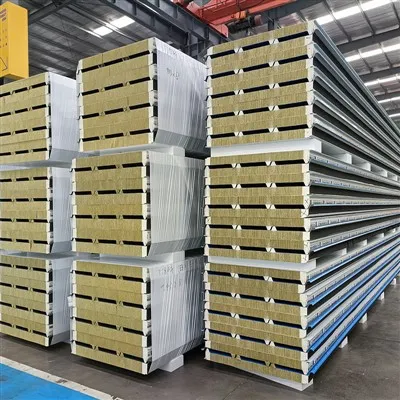
First off, let’s get the basics straight: what even is a PU sealed rockwool sandwich panel, for anyone who’s new to the game? It’s three layers, basically: a core of stonewool (rockwool) that’s super good at resisting fire, blocking sound, and keeping temps steady, wrapped between two metal skins (usually steel, sometimes aluminum) and sealed on all edges with polyurethane (PU) foam. That PU seal is non-negotiable here—it’s what keeps moisture, dust, and pests out of the rockwool core, and stops the whole panel from warping or losing insulation. Mess with that seal, and you’re asking for big problems down the line.
Now, let’s break down the three most common maintenance methods I see people use, and how each hits the panel’s lifespan. Spoiler: there’s a big difference between the lazy, cheap route and the proactive, cost-savvy one. Let’s start with the most popular (and most damaging for a lot of folks): reactive maintenance. That’s the “wait till it breaks” approach. What does that look like? You notice a small dent on a corner, or a tiny crack in the PU seal near a door frame, or maybe the panel’s started to look a little dirty, and you just… ignore it. Until, six months later, you’re standing there with a moldy, water-logged panel that’s lost half its insulation, or a seal so busted that mice are nesting in the rockwool.
I’ve seen this play out so many times, it’s not even funny. Last year, a guy from a small manufacturing plant called me panicking—his roof panels were rotting, and he thought he’d bought a bad product. Turns out, a tree branch had scratched a hole in the PU seal near the edge of a panel, and he’d waited two years to fix it. By then, rain had seeped in, the rockwool had absorbed so much water it was sagging, and the metal skin on the inside was starting to rust. We had to replace 12 panels, but I did the math for him: if he’d fixed that tiny scratch for $50 in sealant the day it happened, he would’ve saved over $10,000 in replacement and labor. Reactive maintenance might seem like you’re saving money upfront, but it cuts a panel’s lifespan by 30-40% on average, from the 25-30 years you can expect from good panels down to 15 or even less. That’s not a product flaw—that’s a maintenance flaw.
Next up, semi-proactive maintenance. This is the middle ground: doing quick checks once a year, maybe wiping down the panels when they get really dirty, and patching seal damage only when it’s obvious enough to not miss. A lot of people fall into this one because it’s “good enough” for small projects or places where the panels aren’t super exposed to extreme conditions. But here’s the thing: semi-proactive is inconsistent, and inconsistencies add up. For example, if you’re in a coastal area, salt air eats away at metal skins way faster than regular air—if you only check panels once a year, you could miss small corrosion spots on the back of a panel until they’re too big to fix without replacing the whole thing. Or if you’re in a dusty warehouse, that dust can hold moisture against the metal skin, causing rust that spreads under the PU seal before you even see it.
I talked to a project manager at a grocery store chain last month who uses semi-proactive maintenance for his store panels. He swears by it, and his panels are hitting 22 years so far—just a few years short of the peak lifespan. The difference there? He’s in a mild, inland area, no harsh weather or salt, so the small gaps in his annual checks don’t cause major damage. But if he had a store in Florida or Arizona, where temps swing 100 degrees in a year and hurricanes blow debris around, semi-proactive would knock that 22 years down to 18, easy. It’s not bad, but it’s not the best you can do if you want your panels to last as long as possible.
Then there’s proactive preventive maintenance. This is the one we always recommend, the one that keeps panels running strong for 25-30 years (and even longer, if you’re lucky). What does this actually entail? It’s not just “wipe them down once a year”—it’s scheduled, regular checks, specific to your panel’s location and environment. Let’s break that down: every 3 months, you do a walkaround to check for small seal cracks, dents, corrosion, or loose fasteners. Every year, you do a deeper clean—using a mild detergent, a soft brush (not a pressure washer, trust me, pressure washers can blow out the PU seal edges), and then touch up any small seal damage with compatible PU sealant (we always tell people to use the same brand if possible, but even a good, industry-standard one works). Every 5 years, you inspect the back side of the panels (if they’re accessible) for rust or moisture buildup, and tighten any loose bolts that might have come loose from wind or temperature shifts.
I’ve seen how this works firsthand with a client of mine: a 10-year-old warehouse in Ohio, where they do full proactive maintenance. Their panels still look brand new—no rust, no mold, the insulation is still measuring 98% of its original value, which is the mark we look for to say a panel is still performing like it should. He told me last year that he expects his panels to last 35 years, at least. That’s not a trick of the product—that’s the maintenance. Proactive maintenance also has a side perk: it’s way cheaper in the long run. The average annual cost for proactive maintenance on a panel is about 1-2% of the panel’s total cost per year. Compare that to reactive maintenance, which can be 10-15% of the panel’s cost in one hit when you have to replace a damaged section.
Wait, let’s talk about a common myth here: a lot of people think that the PU sealed seal is just for aesthetics, or that if a panel’s metal is rusted, you can just paint over it and fix it. No, that’s not how it works. The PU seal isn’t just a thin layer on the edges—it’s a full barrier that prevents moisture from getting into the rockwool core. If you scratch or damage that seal, the core is at risk, and once water gets in, it’s almost impossible to get it out fully. The rockwool absorbs water like a sponge, and even if you let it dry, the insulation value drops by 50% or more. That’s why the seal checks are so important—they’re not just about keeping the panel looking good, they’re about keeping its performance.
Another thing to consider: the type of environment you’re in changes how you do maintenance. If you’re in a coastal area, you need to check for salt residue buildup every month, because salt eats away at the metal skin. If you’re in a heavy industrial area with chemicals, you need to clean the panels more often, because chemicals can break down the PU seal over time. If you’re in a cold climate, you need to check for ice buildup on the roof panels, because ice can put pressure on the edges and crack the seal. We always tell clients to tailor their maintenance schedule to their specific location—there’s no one-size-fits-all, but proactive is always better than reactive.
I don’t want to make it sound like reactive maintenance is always the wrong choice. I get it—small businesses have tight budgets, and if your panels are in a place that doesn’t get a lot of harsh weather, waiting a year or two might work. But even then, there are easy things you can do to extend your panel’s lifespan without breaking the bank. For example, keep an eye on the edges near doors and windows, because those are the spots that get the most wear and tear. Keep tree branches trimmed away from panels to prevent scratches. And if you notice even a tiny crack, patch it with a small amount of sealant right away—those $20 tubes of sealant are way cheaper than replacing a whole panel.
Let’s talk about what happens when you do maintenance wrong, too, because that’s a big one. A lot of people use the wrong tools or products. Pressure washing is the biggest no-no I see. Too much pressure can push water through the PU seal and into the rockwool core, even if the seal looks intact. We always recommend low-pressure washing, or even just wiping down with a mild soap and a soft cloth. Another mistake is using the wrong sealant. If you use a sealant that’s not compatible with PU or with the metal skin, it can break down the PU seal over time, causing more damage. We have a list of compatible sealants we send to all our clients, so if you’re not sure, just ask—we’ll hook you up.
Now, let’s wrap this up with the real numbers, because that’s what matters. A well-made PU sealed rockwool sandwich panel, installed correctly, has a base lifespan of 25-30 years with proper maintenance. Reactive maintenance cuts that to 10-15 years. Semi-proactive maintenance brings it up to 18-22 years. Proactive preventive maintenance can push it to 30+ years, even up to 35 if you’re extra diligent. That’s a huge gap—all because of how you take care of the panels.
At the end of the day, we’re here to supply you with high-quality panels, but we also want you to get the most out of your investment. If you’re looking to install new panels, or you already have panels and want to make sure they last as long as possible, we can help you put together a maintenance schedule that fits your needs, your location, and your budget. No guesswork, no jargon, just straight talk about what works.
If you’re ready to get pricing, ask about compatible maintenance products, or just chat through your project needs, don’t hesitate to reach out. We’re here to answer all your questions, no sales pitch just for the sake of it—we’ve been in this game long enough to know that the best relationships are with clients who get good value, not just the cheapest panels.
Powder Coated Anti Corrosive Purlins References:
- Rockwool Insulation Association. (2021). Longevity of Facade Insulation Panels: Maintenance Impacts.
- PU Sealant Industry Association. (2022). Compatibility and Degradation Factors in Sandwich Panel Edge Seals.
- International Association of Industrial Roofing and Cladding. (2023). Maintenance Best Practices for Metal-Clad Insulated Panels in Varying Climates.
- Journal of Building Physics. (2020). Moisture Infiltration and Degradation of Rockwool Core Sandwich Panels Under Different Maintenance Regimes.
Handan Donghong Fiberglass & Color Steel Manufacturing Co., Ltd.
Handan Donghong Fiberglass & Color Steel Manufacturing Co., Ltd. is one of the most professional pu sealed rockwool sandwich panel manufacturers and suppliers in China, featured by quality products and good price. Please rest assured to wholesale durable pu sealed rockwool sandwich panel made in China here and get quotation from our factory. Customized orders are welcome.
Address: South side of the road, 2,000 meters west of the intersection of Nanhuan Road and Airport Road, Hanshan District, Handan City.
E-mail: leo@dhpcfrp.com
WebSite: https://www.dhfrpsheet.com/
