If you’ve ever glanced at a nutrition label and noticed terms like “fortified with iron,” “added with vitamin D,” or “enriched with B vitamins,” you might have wondered how those nutrients end up in everything from breakfast cereals to plant-based milks. As a food additives raw materials supplier, I get this question all the time from food manufacturers, dietitians, and even home bakers curious about the behind-the-scenes work that goes into fortifying foods to support public health. What many people don’t realize is that food fortification isn’t just about tossing extra nutrients into a product—it’s a precise, science-driven process, and the raw materials we provide are the unsung foundation of every successful fortification program. Let’s break down exactly what role these raw materials play, why they matter more than you might think, and how they bridge the gap between global nutrition goals and the food on consumers’ plates. Food Additives Raw Materials

First, it’s important to define what food fortification actually is, because it’s not the same as enhancement or supplementation. Food fortification is the practice of adding essential micronutrients (vitamins, minerals, amino acids, or fatty acids) to foods that would not naturally contain them, or adding higher levels of them than would normally be present, with the goal of improving public health and preventing nutrient deficiencies. For example, iodized salt—one of the oldest and most successful fortification efforts in history—was rolled out in the mid-20th century to eliminate iodine deficiency disorders, which cause cognitive impairment and goiter. Without the raw material iodine, that life-changing public health intervention would never have happened. Today, fortification has expanded far beyond salt: you’ll find fortified grains, dairy alternatives, infant formula, sports drinks, and even condiments, all designed to fill gaps in diets where people can’t or don’t eat enough nutrient-dense whole foods.
At the core of every fortification product is the food additives raw material, and their role goes far beyond being a source of a specific nutrient. Let’s start with the most basic function: delivering bioavailable nutrients. Bioavailability is the degree to which a nutrient can be absorbed and used by the body, and this is where the quality of raw materials makes all the difference. For example, iron is a critical nutrient for preventing anemia, but not all iron raw materials are created equal. Ferrous sulfate is cheap and high in iron, but it has a strong metallic aftertaste and can react with other ingredients in food, discoloring products like white bread or light-colored cereals. That’s why many manufacturers now use ferrous fumarate or elemental iron (in the form of microencapsulated particles) instead. As a supplier, we work closely with food companies to select raw materials that balance high bioavailability with sensory stability. If we provided a raw material that left a bitter taste or turned a cookie gray, that product would never sell—no matter how many nutrients it contained. We also have to consider how the raw material interacts with the food matrix: for example, adding vitamin C (ascorbic acid, our top-selling vitamin raw material) to plant-based milks not only boosts their nutrient content but also enhances the absorption of non-heme iron from plant sources, a double win for consumers’ health.
Next, food additives raw materials ensure fortification is scalable and safe for large-scale production. A small artisanal bakery might add a pinch of vitamin powder to a batch of muffins, but a national brand that distributes 10 million boxes of cereal a month needs a raw material that can be measured consistently, mixed evenly, and distributed across every unit of product. That’s where our expertise as a raw materials supplier comes in. We provide micronutrients in standardized, granulated, or encapsulated forms that flow consistently through industrial mixing equipment, so every bowl of cereal has exactly the amount of vitamin B12, folic acid, or zinc printed on the label. We also adhere strictly to global safety standards—from FDA GRAS (Generally Recognized as Safe) status to Codex Alimentarius guidelines—because even a small miscalculation in a raw material’s purity could lead to a product that’s either under-fortified (ineffective) or over-fortified (potentially harmful). For example, excess vitamin A can cause toxicity, especially in pregnant people, so our raw materials have to meet strict purity limits, with certified levels of the active nutrient and no contaminants. As a supplier, we also provide documentation for every batch of raw material, so food manufacturers can prove compliance to regulatory agencies—something that’s non-negotiable in today’s global food market.
Another key role of food additives raw materials is enabling fortification of foods for specific populations. Let’s think about infant formula, which is one of the most highly regulated fortified foods on the market. Infants have unique nutritional needs, so formula has to contain exact levels of nutrients like DHA (an omega-3 fatty acid), choline, taurine, and iron, all in forms that are easy for their developing bodies to absorb. The raw materials for these nutrients can’t be generic: DHA, for example, has to come from a safe, algae-based source (not fish, to avoid mercury contamination) and be stabilized to prevent oxidation, which would make it go rancid. Without specialized raw materials designed for infant nutrition, manufacturers couldn’t create a product that meets the World Health Organization’s (WHO) guidelines for infant feeding. Similarly, for people on restricted diets—like those following a vegan or gluten-free lifestyle—fortified foods have to replace nutrients that are naturally present in animal products or wheat. For example, B12 is only naturally found in animal foods, so fortified plant-based milks, nutritional yeast, and meat substitutes rely entirely on our B12 raw materials (usually extracted from bacteria) to make these products nutritionally complete.
We also play a role in adapting fortification to meet evolving public health needs. In recent years, there’s been a push to fortify foods with nutrients that address modern health challenges, like vitamin D deficiency (common in people who spend little time outdoors) or omega-3 deficiency (linked to heart health). But adding these nutrients to food requires raw materials that can withstand processing. Vitamin D, for example, is sensitive to heat and light, so we offer microencapsulated vitamin D3, where the nutrient is wrapped in a protective layer that survives baking, pasteurization, and shelf storage, then breaks down in the body to be absorbed. This kind of innovation is only possible if raw materials suppliers invest in research and development—something we prioritize. We test our raw materials under different processing conditions to make sure they don’t lose potency, and we work with manufacturers to trial new fortification strategies, like adding magnesium to sports drinks to support muscle function or adding fiber to snack bars to improve digestion.
Of course, no discussion of food additives raw materials in fortification would be complete without addressing concerns about food additives. I know many consumers are wary of the word “additive,” associating it with synthetic, unnatural ingredients. But it’s important to distinguish between harmful additives and the high-quality, regulated raw materials we provide for fortification. Many of our raw materials are identical to nutrients found in whole foods: the vitamin C we supply is chemically the same as the vitamin C in an orange, and the iron we supply is the same as the iron in spinach. The difference is that these nutrients are extracted or synthesized in a controlled, safe environment, making them available in precise amounts to fill gaps in diets. When fortification is done correctly—with high-quality raw materials and according to regulatory guidelines— it’s one of the most cost-effective public health interventions we have. The WHO estimates that fortifying staple foods with iron, iodine, and vitamin A reduces the risk of deficiencies by up to 50% in vulnerable populations, with a cost of just a few cents per person per year.
As a supplier, I’ve seen firsthand how impactful the right raw materials can be. A few years ago, we worked with a small cereal manufacturer that was struggling to fortify their organic cornflakes with iron without leaving a metallic aftertaste. They’d tried a generic iron raw material, and sales were dropping because of the off-flavor. We recommended a microencapsulated ferrous fumarate raw material we’d developed, which was coated to avoid reacting with the cornflakes’ ingredients. Within six months, the manufacturer’s sales of the fortified cereal were up 30%, and they began distributing to national grocery chains. That’s the power of choosing the right raw material: it’s not just about adding a nutrient, it’s about creating a product that consumers will actually buy and benefit from.
Another example is our work with a plant-based yogurt brand that wanted to add B12 to their product to appeal to vegan consumers. They’d previously used a cheap B12 raw material that had variable potency, so some cartons were under-fortified and some were over-fortified. We provided standardized, high-purity cyanocobalamin (the most bioavailable form of B12) in a granular form that mixed evenly into the yogurt base, so every serving had exactly 2 micrograms of B12, meeting the FDA’s daily value recommendation. The brand’s customer satisfaction scores improved, and they earned a “Nutrition Certified” seal from a leading health organization, which helped them expand into international markets.
So what does this mean for the future of food fortification? As global populations grow, and as more people turn to processed and plant-based foods, the demand for high-quality food additives raw materials will only increase. We’re already seeing a trend toward “precision fortification,” where nutrients are added in personalized amounts, tailored to specific groups—like adding extra vitamin D to foods for older adults, who often have low levels, or adding more folic acid to foods for people of childbearing age to prevent birth defects. That means we’ll need raw materials that are even more specialized, more bioavailable, and more sustainable. We’re currently working on a line of plant-derived omega-3 raw materials that have a longer shelf life and a milder taste, and we’re investing in green chemistry to make our raw materials more environmentally friendly, reducing waste and energy use in production.
If you’re a food manufacturer looking to launch or improve a fortified product, a dietitian working on public health programs, or even just someone curious about how your food gets its nutrients, I hope this gives you a clearer picture of the vital role food additives raw materials play in food fortification. It’s not just a behind-the-scenes detail—it’s the foundation of safe, effective, and appealing fortified foods that support global health.
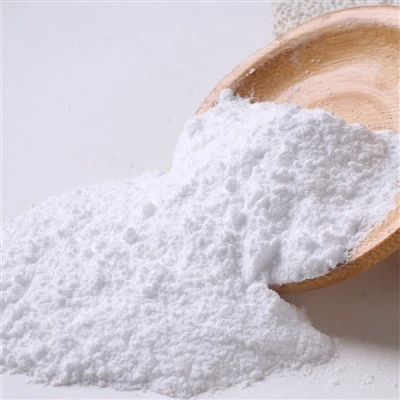
If you’re interested in exploring raw materials for your next fortification project, our team is ready to provide personalized guidance, sample raw materials, and compliance documentation for all global regulatory standards. We invite you to reach out to start a conversation about how we can support your fortification goals.
Female Weight Loss Raw Materials References
- Allen, L. H., de Benoist, B., Dary, O., & Hurrell, R. (2006). Guidelines on food fortification with micronutrients. World Health Organization and Food and Agriculture Organization of the United Nations.
- Institute of Medicine. (2001). Dietary reference intakes for vitamin C, vitamin E, selenium, and carotenoids. National Academies Press.
- Hurrell, R. F. (2002). Iron fortification: progress and limitations. Journal of Nutrition, 132(11), 808S-811S.
- World Health Organization. (2020). Global status report on food fortification. World Health Organization.
- Food and Drug Administration. (2023). GRAS Notices: Food Additives and Ingredients. U.S. Food and Drug Administration.
Henan Jinyi Import & Export Co., Ltd.
With abundant experience, we are one of the most professional food additives raw materials manufacturers and suppliers in China. Please feel free to buy bulk customized food additives raw materials from our factory. Good service and quality products are available.
Address: Block A, Building 3, No.7 Guoji Road, Jinshui District, Zhengzhou City, Henan Province
E-mail: 13838041990@163.com
WebSite: https://www.jyingredients.com/
