Hey everyone, let’s cut to the chase because if you’re in the confectionery game, you’re probably staring down two non-negotiables right now: keeping your chocolates, gummies, or hard candies fresh, and making sure they look good on store shelves. If you’ve been researching packaging lately, you’ve definitely seen rollstock films thrown around as a big contender. As a rollstock supplier, I get so many questions about whether this stuff actually works for candy—like, is it just for snacks or chips, or can it handle the delicate needs of Twix, Sour Patch Kids, or even artisanal truffles? Spoiler: the short answer is a resounding YES, and I’m gonna break down why that’s not just a guess, but based on actual candy packaging needs that rollstock was built for. Rollstock Films
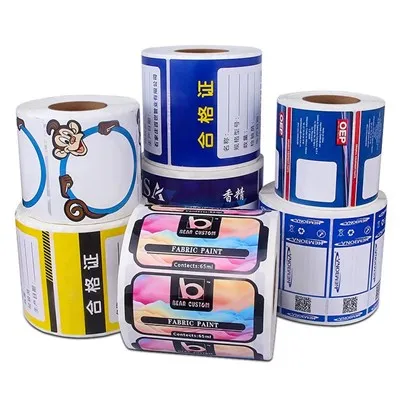
First, let’s get on the same page about what rollstock films even are, ’cause a lot of folks mix this up with generic plastic wrap. Rollstock is basically flexible plastic (or sometimes multi-material laminate) wound into big, continuous rolls—no individual pre-made bags or anything. It feeds straight into packaging machines that form, fill, and seal the product in one smooth motion. That setup is a total game-changer for confectionery, which is all about high-speed production and zero downtime. Think about it: a single roll can run for hours without needing to swap out bags, unlike pre-made pouches that take time to load. For a candy line pumping out, say, 500 gummies a minute, that efficiency adds up to way less lost time and more units hitting shelves fast. I’ve seen small artisanal candy makers switch from hand-sealing small bags to rollstock and cut their packaging labor by 40% in the first month—no exaggeration there.
Now, the big question: can rollstock actually keep confectionery from going bad? Confections have super specific shelf life requirements, way different from, like, a bag of pretzels. Let’s break down the main enemies of candy: moisture, oxygen, light, and even odors from other products in the warehouse or store. Hard candies get sticky and absorb moisture (that’s why that lollipop in the bottom of your purse gets gooey), chocolate turns white (that’s called fat bloom, gross), and gummies dry out and get rock-hard if they lose too much moisture.
Here’s where rollstock’s versatility shines, because not all rollstock is the same. You can customize the layers to block exactly what your candy needs. For example, if you’re doing sugar-free gummies that are extra sensitive to moisture, you can make a rollstock with a core layer of polyethylene (PE) and an extra EVOH layer—EVOH is that super thin, high-barrier plastic that stops moisture and oxygen dead in their tracks. I’ve supplied rolls like this to a gummy brand that used to see 15% of their product get rejected for being too sticky after 2 months on shelves; after switching to this custom rollstock, that rejection rate dropped to less than 2%. For chocolate, which is prone to fat bloom from oxygen exposure, we add a UV-resistant layer to the rollstock that blocks harmful light waves. One of my chocolate clients told me their truffles now stay fresh for 12 months instead of 6, all because the rollstock kept light and oxygen out. And if you’re doing something like sour candies that might stick to packaging, you can add a food-safe anti-block layer so the film doesn’t stick to itself or the candy when it’s sealed. That’s the kind of tailored fit you can’t get with pre-made bags.
Wait, but what about artisanal confectioners? A lot of small batch makers think rollstock is only for big brands with 24/7 production lines. Let me clear that up—rollstock works for every scale. We make smaller rollstock rolls (like 1000 feet vs. 10,000 feet) that fit on entry-level packaging machines, perfect for a craft chocolate maker doing 500 units a week. And you can print custom graphics right on the rollstock, too—full-color logos, ingredient lists, even fun little jokes for candy. That’s a huge plus because candy buyers (especially the millennial and Gen Z crowds) care about packaging that looks unique and tells a story. We recently did a run for a small batch caramel brand that prints hand-drawn animal illustrations on their rollstock; their sales went up 18% in 3 months because customers loved the packaging. No more paying extra for separate labels, either—printing directly on rollstock cuts down on material costs and reduces waste from label misalignment.
Another huge win for confectionery: flexibility in shapes and portioning. Rollstock packaging machines can make any shape you want—stand-up pouches, pillow packs, even custom shapes like a heart for Valentine’s Day candies or a football for Halloween. For snack-sized candy bars, pillow packs from rollstock are the standard for a reason—they’re lightweight, take up less space on shelves, and are easy for kids to hold. If you’re doing multi-packs, rollstock machines can seal 2, 4, or 6 candies into one package without extra steps. I worked with a jelly bean brand that sells 12-count multi-packs; using rollstock, they now make each multi-pack in 10 seconds, whereas before they had to hand-bag and seal each one. That’s speed that small brands need to keep up with demand without hiring more staff.
Now, let’s talk about cost, because that’s always a big factor for candy makers, whether you’re a startup or a big national brand. Rollstock films are almost always cheaper per unit than pre-made bags, especially for high-volume production. Since they’re wound into rolls, there’s less material waste from packaging manufacturing—pre-made bags have extra material from edges and seals that get cut off, but rollstock only uses exactly what’s needed for each unit. For a brand making 1 million bags a month, that can add up to $10k-$15k in savings per year. And when you pair that with the reduced labor and less rejected product, the ROI is pretty quick. I’ve had clients tell me they paid back the cost of switching to rollstock in less than 6 months.
Wait, but are there any downsides? No tech is perfect, and rollstock does have a couple of things to keep in mind. First, you need a packaging machine that works with rollstock—entry-level ones are affordable these days, but if you’re just starting out, you might need to plan for that small upfront cost. But as I said, the savings make that worth it, even for small batches. Second, customization matters—don’t just buy generic rollstock; make sure it has the right barrier layers for your specific candy. If you use a low-barrier rollstock for chocolate, you’ll still get fat bloom, so that’s a non-starter. The good news is that as a rollstock supplier, we work with you to test different layers before you commit to a big order—we do free sample rolls and small test runs so you can see exactly how the film works with your product. That way, there’s no guesswork.
Let’s also touch on sustainability, because that’s a huge conversation in food packaging right now. A lot of confectionery brands are switching to eco-friendly options, and rollstock is right there with them. We make rollstock from recyclable materials like mono-PE films, which are easier to recycle than multi-material laminates (though we also make compostable rollstock for brands that need that). One of our clients is a vegan candy brand that switched to our compostable rollstock, and now they market their packaging as zero-waste, which has gotten them into more organic grocery stores. Rollstock is also less likely to have excess material, so less plastic is wasted overall—something that’s a big win for both brands and consumers.
So to circle back: can rollstock films be used for confectionery? Absolutely. They’re efficient, customizable, cost-effective, and can be tailored to protect every type of candy from sticky gummies to delicate chocolates. Whether you’re a small batch artisanal maker or a large national brand, rollstock works for every scale, and the benefits far outweigh any small hurdles.
If you’re a confectionery owner who’s tired of high packaging costs, rejected product from poor shelf life, or slow production, rollstock is worth checking out. We’ve worked with dozens of candy brands to customize rollstock that fits their exact needs, from barrier layers to custom printing to small-batch roll sizes. No generic one-size-fits-all here—just solutions built for your specific products and goals.

If you want to chat about your candy packaging needs, test a sample roll, or get a quote, reach out. Let’s make your confections look great and stay fresh for longer.
Self-adhesive Labels References:
- Food and Agriculture Organization of the United Nations. (2020). Flexible Packaging for Food: Barrier Properties and Shelf Life Extension.
- European Packaging Federation. (2021). Rollstock Packaging: Efficiency and Cost Benefits for Confectionery Manufacturers.
- Journal of Food Protection. (2019). Moisture and Oxygen Barrier Requirements for Confectionery Products.
- Sustainable Packaging Coalition. (2022). Rollstock Films: Eco-Friendly Options for Food Packaging.
Nanjing Green Label Printing Co., Ltd.
We are one of the most professional rollstock films manufacturers and suppliers in China, also support customized service. We warmly welcome you to wholesale high quality rollstock films at competitive price from our factory. For pricelist and quotation, contact us now.
Address: No. 116-3 Suyuan Avenue, Jiangning District, Nanjing
E-mail: greenlabel@126.com
WebSite: https://www.chinalabelprint.com/
