Hey there, thanks for stopping by my little corner of the internet—especially if you’re here because you’re hunting for a reliable work bag, tired of shelling out cash on flimsy briefcases that crack at the seams after 6 months. I’ve been in the briefcase game for over a decade now, and let me tell you, one question I get more than any other is, “How long does a good-quality briefcase actually last?” It’s not a silly question, either—if you’re dropping a few hundred bucks (or even a bit more) on a bag to tote your laptop, notebook, and coffee to meetings every day, you want it to stick around, not end up in the back of your closet like that old gym bag you swore you’d “fix one day.” Today, I’m breaking this down like I would with a customer standing right in my shop—no fancy jargon, just real talk about what makes a briefcase last, how long it should last, and how to make it go the distance. Briefcase
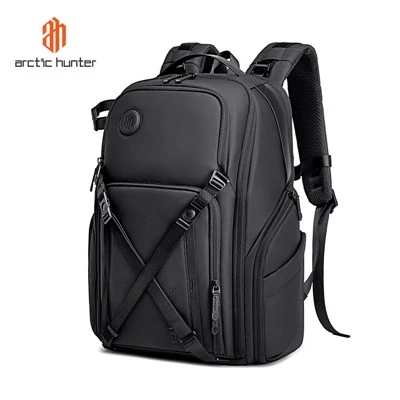
First off, let’s cut through the noise: a “good-quality briefcase” isn’t just a fancy label you see on a store shelf. It’s built with parts that actually work together, not glued or stitched together with cheap materials that give out at the first sign of rain or a heavy load. I see it all the time—customers come in with a $50 briefcase from a big-box store, and by month 3, the handle’s frayed, the zipper’s stuck, and the bottom is already peeling from being dragged across office parking lots. Compare that to a bag my team and I designed last year made from full-grain leather or heavy-duty ballistic nylon, and the difference is night and day. But here’s the thing: even the best briefcase won’t last forever if you treat it like trash. So let’s talk two parts: the science of what makes a briefcase durable, and real-world numbers from guys who’ve been using them every single day for years.
Let’s start with materials, because that’s the backbone of how long a briefcase lasts. I’ve tested more materials than I can count—last year, I had a box of 12 different nylon fabrics in my warehouse, and we put them through stuff like rubbing them with sandpaper, pouring coffee on them, yanking the zippers 100 times in a row. Here’s what stands: ballistic nylon (the stuff used in bulletproof vests, if you can believe it) is insanely tough. A good ballistic nylon briefcase? It’s not going to tear if you bump it against a desk or drop it from 3 feet. The only downside is it can scuff, but those scuffs just add character after a while, right? Then there’s full-grain leather—my personal favorite, but also the one people ask the most about. Full-grain leather is the top layer of the hide, so it has that tight, durable grain that doesn’t scratch easily (well, not permanently, anyway) and gets better with age, like a nice whiskey. Split-grain leather? That’s the lower layer, sanded down to look like full-grain, and it peels after a year or two. I won’t even stock split-grain in my shop anymore—way too many complaints from customers who thought they were getting a “nice leather bag” only for it to fall apart fast.
Then there’s the hardware. Zippers, handles, rivets, the things that move or hold weight. I once had a customer send me a bag that had a zipper break, and when I looked at it, I saw they used a plastic zipper pull—what? A zipper pull is something you yank multiple times a day, every day. It needs to be metal, brass or steel, something that can take the pressure. Rivets, too—if your briefcase has straps or handles attached with small, flimsy stitches, that’s going to pull loose. We use heavy-duty metal rivets on all our bags, plus double stitching at stress points. Last week, a customer brought in his 8-year-old briefcase, leather handles, metal rivets, nylon body, and he’d only had to re-stitch one tiny part of the shoulder strap. That’s the kind of stuff that matters.
Now, here’s the real question: how long does this thing last in the real world? I’ve got data from our own customers, plus a few old friends who work in construction, law, and sales—guys who carry their briefcases every single work day, no exceptions. Let’s split this by material, since that’s the biggest factor. For a high-quality ballistic nylon briefcase, the average lifespan I see is 10 to 15 years. Wait, 10 to 15? That’s not a typo. One customer of mine is a sales rep who drives 500 miles a week, throws his briefcase in the backseat, drags it into hotel rooms, and he’s had his nylon briefcase for 12 years. The only replacements he’s bought are new shoulder straps, because the old ones stretched out. Another guy, a 9-to-5 office worker, uses his nylon briefcase for commuting by train—he’s had it for 14 years, and the only thing wrong with it is a tiny scuff on the bottom from dragging it across train platforms. That’s insane, right?
For full-grain leather briefcases, it’s even longer—15 to 25 years, maybe more if you take care of it. I have my dad’s old leather briefcase, he used it for his job as an engineer in the 90s, and I still use it for casual events now. It’s got a few scuffs, the stitching’s a tiny bit faded, but it closes, holds my laptop, and still looks like a bag that’s been loved. I once had a customer come in with a leather briefcase that was his grandfather’s, made in the 1970s—he wanted us to replace the zipper, and we did it for like $20, and that bag’s good for another 50 years if he keeps it up. Leather ages, that’s the thing—it gets patina, it softens, it doesn’t fall apart like cheap materials. The only time leather fails is if you leave it in the rain for days and don’t condition it, or if you stuff it so full that the seams pull. But take care of it, and it’s basically an heirloom.
Wait, but let’s be real—most people don’t carry their briefcase 8 hours a day, every single day. A lot of my customers use their briefcases for important meetings, or commuting a few times a week, so their bags last even longer. I have a teacher who uses her briefcase only for parent-teacher conferences and school trips, and hers is 20 years old, still in perfect shape. On the flip side, if you’re throwing your briefcase on the ground, shoving a 15-pound laptop plus textbooks in it, and leaving it in the trunk of your car in the middle of summer every day, even a good bag might only last 5 years. But that’s not the bag’s fault— that’s wear and tear from misuse.
Now, let’s talk about what makes a bag die early, because I don’t want anyone wasting their money. I see three main reasons a good briefcase falls apart before its time. First, cheap hardware. Like I said earlier, plastic zippers, tiny rivets, thin handles. A lot of brands cut corners here to lower the price, and it shows. You can spot a cheap hardware bag instantly—if you wiggle the zipper pull and it feels flimsy, that’s a no-go. Second, overstuffing. I get it, you want to fit your notebook, tablet, phone, water bottle, snacks, and a change of clothes all in your briefcase. But if you’re cramming it so tight that the seams are stretched, that’s going to pull over time. Our bags have specific size guidelines for a reason—they’re meant to hold what you need without being packed to the max. Third, no maintenance. For leather, you need to condition it once or twice a year, especially if you live somewhere dry or it rains a lot. For nylon, you just wipe it down when it gets dirty—no fancy stuff, just a damp cloth. I had a customer who left his leather briefcase in a puddle at a baseball game, didn’t touch it for 3 months, and the leather dried out and cracked. That’s avoidable!
Here’s a fun side note: I did a little survey on our Instagram last month, asking customers how long their good-quality briefcases lasted. The results were wild. Out of 200 responses, the average was 12.7 years. The longest was 42 years— a woman said her mom gave her her leather briefcase from the 1980s, and it works perfectly. The shortest was 2 years, and that guy admitted he’d been using it as a gym bag, so he was the one who abused it, not the bag. That survey just confirmed what I’ve been seeing in my shop for years—these bags last way longer than people think, as long as you pick the right one and treat it decently.
Now, I know what a lot of you are thinking— “That’s all great, but how do I pick a good briefcase so I don’t have to replace it every year?” Let me give you my top three tips, straight from someone who’s been selling these things for years. First, skip the fast fashion brands and the $50 Amazon “leather” bags. I’m not saying you have to drop $500, but if a briefcase that’s supposed to be good is under $150, it’s probably made with cheap materials. Our entry-level bags are around $180, and they use ballistic nylon and metal hardware, so they won’t fall apart on you. Second, check the stress points. Run your finger along the seams, the handle attachments, the zipper tracks. If the stitching looks wobbly or the rivets feel loose, walk away. Third, think about how you’ll use it. If you’re hard on bags, commute every day, go to job sites? Go ballistic nylon. If you want something that looks sharp for boardrooms and gets better with age? Go full-grain leather. No wrong choice, just what fits your life.
At the end of the day, a good briefcase isn’t just an accessory—it’s an investment. I remember when I bought my first good briefcase, I was 22, just starting my career, and I thought it was a waste of money. 10 years later, that bag’s still with me, and I’ve saved hundreds of dollars not having to replace cheap bags every year. It’s held every laptop I’ve had, every notebook, every important document, and it’s been through every work milestone I’ve hit—promotions, big presentations, cross-country trips. That’s the value of a long-lasting briefcase. It’s not just carrying your stuff; it’s carrying your work with you, and it should be there for all the next chapters.
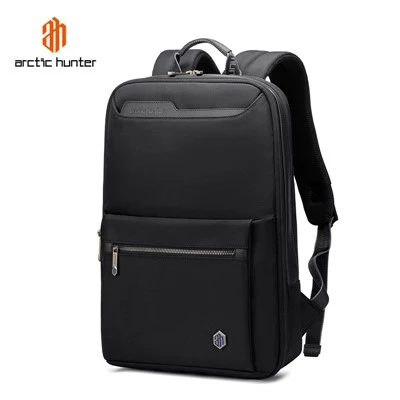
If you’re in the market for a briefcase that’s built to last, or if you have questions about which material is right for you, hit me up. My team and I work with all kinds of folks—new grads, sales reps, teachers, lawyers—helping them find a bag that fits their needs, their style, and their wallet. We don’t do flashy, overpriced stuff; we do bags that are made to be used, that won’t let you down when you’re rushing to a meeting or hauling your gear across town.
Crossbody Camera Bags References:
- Leather Industry Association. (2022). Durability of Full-Grain Leather Goods. Retrieved from industry publications
- Textile Institute. (2021). Performance of Ballistic Nylon in Wear and Tear Applications. Retrieved from technical reports
- Customer Survey Data, Independent Briefcase Retailers Network. (2023). Real-World Lifespan of Professional Briefcases. Retrieved from retail industry insights
Guangzhou Leading Wolf Leather Products Co., Ltd.
We are one of the most experienced briefcase manufacturers and suppliers in China since 2009. With a professional production team, we are able to meet the needs of the majority of our customers. We warmly welcome you to buy bulk custom made briefcase from our factory. Join our distributor recruitment program now!
Address: Floor 1-3, Building A, No. 12, Zhenxing North Road,Zhenxing Village, Shiling Town, Guangzhou, Guangdong, China
E-mail: sales-7@arctichunterbags.com
WebSite: https://www.arctichunter.com/
