If you’ve ever driven past a chemical plant—those sprawling, maze-like complexes with towering pipes, glinting storage tanks, and the faint, sharp hum of machinery—you probably noticed how high and spread out all the work is there. As a scissor lift supplier, I get asked all the time: “What the heck do you even use those boxy, stable lift things for in a place that’s all about handling dangerous chemicals and heavy gear?” It’s not like you need to reach for a tree branch or hang a string of lights. But trust me, scissor lifts are the unsung workhorses of chemical plants, and they’re used for way more than just painting or changing lightbulbs. Let me break down the real, day-to-day applications that make these lifts non-negotiable on every plant site. Scissor Lift
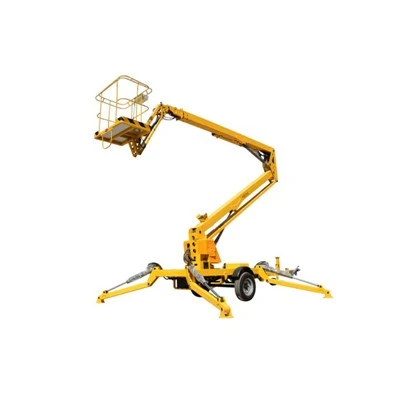
First off, let’s talk about routine maintenance, because that’s 70% of what keeps a chemical plant running without blowing a gasket (literally). Chemical plants have miles and miles of piping, right? These pipes carry everything from corrosive acids to volatile solvents, and they’re often mounted 15 to 20 feet up off the ground to keep them away from spill zones and walkways. Every single pipe needs regular inspections—you’ve got to check for rust, tiny leaks, or wear from years of chemical exposure. A few years back, I had a client who tried to use ladders for this, and it was a disaster. Ladders wobbly when you’re holding a flashlight, a screwdriver, and a pipe wrench all at the same time, and you can’t carry spare parts or a leak-testing kit up a ladder easily. Scissor lifts, on the other hand, give you a stable, flat platform that locks in place, so two techs can stand up there, work side by side, and bring all their tools with them. No tippy toes, no balancing acts that could lead to a fall (chemical plants are already high-risk—you don’t want to add a fall hazard to the list).
Then there’s the big stuff: storage tank maintenance. Chemical plants have massive vertical storage tanks—some are 50 feet tall or more, holding everything from liquid nitrogen to industrial bleach. These tanks need upkeep too: annual interior inspections to check for corrosion from the chemicals inside, or exterior repainting to protect them from the elements. The old way of doing this was renting a scaffolding system that took days to put up and cost a fortune, especially if you needed to move it around the tank. Scissor lifts cut that time down to hours. You can roll a 30-foot scissor lift right up to the side of a tank, extend it to the exact height you need, and work as long as you want without assembling a single pole. For interior tank work, some of our larger scissor lifts even have enclosed baskets that can fit small access hatches, so you can lift techs into the tank safely without having to use a crane or rig a swing stage. I’ve had plant managers tell me switching from scaffolding to scissor lifts cut their tank maintenance costs by almost 40% because of the faster setup and no rental fees for scaffolds that take weeks to move.
Next, electrical and instrumentation work. Chemical plants run on a million sensors, control panels, and wiring systems that are all mounted high up on walls or racks to keep them away from moisture and chemical fumes. If a sensor breaks (and trust me, they break all the time from dust or corrosion), you need to get up there fast to fix it—because if a faulty sensor doesn’t alert operators to a leak, that’s a huge safety risk. Scissor lifts are perfect here because they’re compact enough to fit between the tight rows of control racks, which is a big problem with boom lifts that swing out and knock into pipes or wiring. We’ve got a lot of small, narrow scissor lifts designed specifically for tight spaces in plants—you can wheel them through doorways that are only 3 feet wide, no problem. Last year, a refinery client of mine had an alarm go off for a faulty pressure sensor on a 18-foot wall, and their tech was able to get up, replace the sensor, and reset the alarm in 20 minutes. If they’d used a ladder, it would’ve taken twice as long, and they would’ve had to shut down the adjacent equipment while they worked, which costs them thousands of dollars an hour in downtime. That’s the kind of quick, reliable access scissor lifts give you that you can’t get with other equipment.
Wait, and let’s not forget about turnaround work. Chemical plants have scheduled turnarounds every 1 to 2 years, where they shut down parts of the plant for deep cleaning, repairs, and upgrading. This is when scissor lifts earn their keep. During a turnaround, you have hundreds of workers doing everything from replacing heat exchangers to cleaning out reactor vessels, and you need access to every inch of the plant at all different heights. Scissor lifts are easy to move around the site—they have solid tires that work on concrete and even gravel, and you can fold them up to get them through tight areas. A big plus for chemical plants: most scissor lifts we sell here are non-sparking, which is super important because if you’re working in areas with flammable vapors, you can’t have a lift that could spark if it bumps a pipe or a metal tool falls. We make sure all our scissor lifts for chemical sites are rated for Class 1, Division 2 areas, which means they don’t produce sparks that could ignite gas or fumes. That’s a non-negotiable for these jobs, and it’s one of the biggest reasons our clients go with us instead of generic lift companies.
Oh, and safety inspections for overhead structures. Chemical plants have high ceilings, right? You’ve got support beams, ductwork for ventilation systems, and even overhead cranes that move heavy equipment around. Every year, OSHA (or whatever safety agency is local) requires a full inspection of all these overhead structures to make sure they’re not damaged or corroded. To do that, you need a lift that can reach 30, 40, even 50 feet up, and gives you a stable platform so inspectors can walk around and check every joint and weld. Scissor lifts are ideal here because they don’t sway like boom lifts when you’re up high—since they’re built with that scissor design, they extend straight up, so the basket stays steady even if you’re leaning over to check a beam. We had one plant that tried to use a boom lift for an overhead beam inspection a couple years ago, and the sway was so bad the inspector refused to get out of the basket. They rented a scissor lift from us the next week, and they finished the inspection in half the time they’d planned.
I know what some of you are thinking: “Why not use manlifts or ladders?” Let’s be real—ladders are only good for low, quick jobs, and manlifts (the tall, pole-style lifts) are great for high reaches but terrible for when you need to bring tools or work for long periods. Scissor lifts give you that big, stable platform that lets you work for hours at a time without needing to lower back down to get something. And when you’re dealing with chemicals, having all your tools, testing kits, and spare parts right there with you is a huge safety and efficiency win. You don’t want to have to climb down a ladder in the middle of fixing a leaky pipe because you forgot your sealant. That’s how accidents happen.
Now, I should mention that not all scissor lifts are made for chemical plants. Some generic lifts have parts that can corrode from chemical splashes, or they don’t have the safety ratings needed for hazardous areas. That’s where we come in. We build our scissor lifts with durable, easy-to-clean steel frames (we even use coated steel to resist rust and chemical exposure), non-sparking components for explosive areas, and we add extra safety features like fall arrest points in the basket and emergency stop buttons that are easy to reach even with gloves on. Most plants work around the clock, so their equipment has to hold up to long hours and tough conditions, and our lifts don’t let them down.
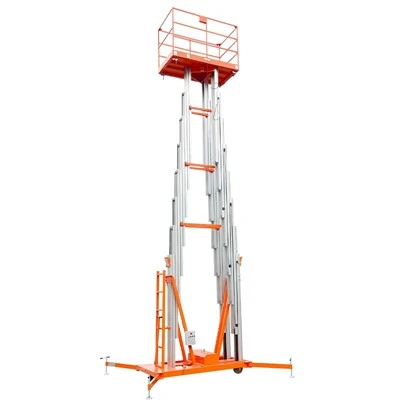
At the end of the day, the biggest value scissor lifts bring to chemical plants is downtime reduction and safety. Every minute a plant is down costs money—lots of it. Scissor lifts get workers to the spot they need to be faster and safer, so repairs and inspections get done quicker, and that means less downtime. And when you’re working with dangerous chemicals, having a stable, reliable lift that doesn’t malfunction is just as important as the work itself.
Electric Forklift If you’re a plant manager, maintenance supervisor, or safety lead tired of dealing with wobbly ladders, overpriced scaffolding, and boom lifts that swing into your pipes, let’s chat. We can help you figure out the right scissor lift size, features, and safety ratings for your site, whether you need a small one for tight control rooms or a big 50-foot lift for storage tanks and overhead structures. We don’t do one-size-fits-all here—your plant’s needs are unique, and we’ll build a solution that fits. Drop us a line, let’s talk through your projects and how we can make your work easier and safer.
References
- Occupational Safety and Health Administration (OSHA). (2022). Scissor Lift Safety Guidelines for Industrial Workplaces. U.S. Department of Labor.
- Chemical Safety and Hazard Investigation Board (CSHB). (2021). Maintenance Equipment Best Practices for Refinery and Chemical Plant Turnarounds.
- National Institute for Occupational Safety and Health (NIOSH). (2020). Hazard Assessment of Aerial Work Platforms in Chemical Processing Facilities.
- Industrial Lift and Access Association (ILAA). (2023). Scissor Lift Applications in High-Risk Industrial Environments.
Huazheng Heavy Industry Machinery Equipment Co., Ltd.
With abundant experience, we are one of the most professional scissor lift manufacturers and suppliers in China. Please feel free to buy high quality scissor lift for sale here from our factory. We also accept customized orders.
Address: Room 423-101, Building C-4, Electronics Valley Technology Center, No.3088 Lekai North Street, Gaokai District, Baoding City, Hebei Province, China
E-mail: sales02@hzheavy.com
WebSite: https://www.hzheavy.com/
