Alright, let’s cut to the chase—if you’re in the market for face grinding machines, you’ve probably stumbled across two big players: horizontal and vertical models. When I first started selling these machines years back, I used to mix up a few small details myself, and my customers would too. So today, I’m breaking this down like I would over a coffee at the shop floor—no stuffy engineering jargon that makes your eyes cross, just real talk that’ll help you pick the right one for your shop. Face Grinding Machine
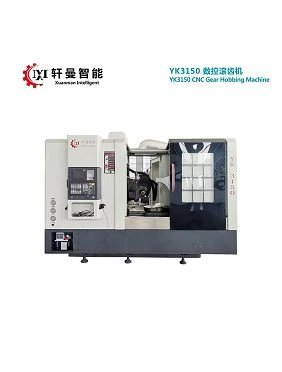
First, let’s get the basics straight. Both horizontal and vertical face grinders are built to flatten, smooth, and finish flat surfaces on parts—think engine blocks, valve seats, cutting tools, even those small metal brackets you use for assembly. The end goal is the same: a dead-flat, precise surface that holds tight tolerances. But how they get there? That’s where the magic (and the difference) lies.
Let’s start with horizontal face grinding machines, since they’re the ones we sell more of for general purpose work. The key here is the grinding wheel: its spindle sits horizontally, right? So the wheel spins parallel to the worktable. Now, how does the part move? Most horizontal models use a reciprocating table—so the table slides back and forth, carrying the part across the spinning wheel. Other times, it’s a rotary table, but the spindle stays horizontal. The big advantage here? Versatility. Horizontal grinders can handle all kinds of part sizes, from tiny tool inserts to big chunks of cast iron for machinery. I’ve had a customer who grinds 100 different small parts a week on their horizontal grinder—they swap out fixtures in 10 minutes flat, no problem. Another thing: the grinding wheel makes contact with the part along a wider “face” of the wheel, so it removes material pretty fast, which is perfect for rough or semi-finishing work. But wait, is there a downside? Yeah, if you’re grinding super thin parts that could warp from pressure, the reciprocating table might cause a bit more vibration if not set up right. Also, for parts that need extreme precision on very small areas, horizontal might not hold that tight tolerance as consistently as a vertical one, especially if you’re running high volumes.
Now, vertical face grinding machines—let’s call these the precision specialists. The spindle here stands straight up and down, vertical. The grinding wheel is shaped like a cylinder, so its edge (not the flat face) does the grinding. The worktable is usually a big rotary one that spins under the wheel, so parts are rotated past the spinning wheel. That’s a big difference! Because the table is rotating, the part is always moving smoothly against the wheel, less vibration than a reciprocating table. The contact area is smaller too—like using the edge of a pencil instead of the flat side. That makes vertical grinders way better for super precise finishing work. I sold a vertical grinder last year to a company that makes medical device components—they needed a surface flat within 0.0001 inches, no exaggeration, and the vertical model held that every single time, even when they ran 200 parts an hour. Another win: vertical grinders are great for large, heavy parts too—since the rotary table distributes the weight evenly, you don’t have to worry about a big engine block tilting or shifting mid-grind. But the catch? They’re less versatile for small parts. If you’re grinding tiny 1mm wide cutting tips, swapping fixtures on a vertical rotary table takes longer, and you can’t move parts as quickly between setups. Also, material removal rate is slower here—since you’re using the edge of the wheel, it takes a bit more time to take off the same amount of metal as a horizontal grinder.
Wait, let’s talk use cases because that’s what most customers actually care about. Let’s say you run a small machine shop that does a bit of everything—general repair, making custom parts, some tool grinding. A horizontal grinder is probably your best bet. It can handle a thick steel bracket, a small valve seat, and even a chunk of aluminum for a new jig. You don’t have to slow down for setup, and you get the job done fast. But if you’re in automotive manufacturing, making cylinder heads or brake rotors, or medical devices where precision is non-negotiable, or even aerospace parts that need to meet super tight specs? Vertical is the way to go. I worked with an automotive plant a while back—they were having issues with their horizontal grinders not holding flatness on brake caliper surfaces, so they switched to vertical models and scrapped rates dropped by 15%. That’s a huge win for them.
Another thing people don’t talk about enough: maintenance and upkeep. Horizontal grinders have that reciprocating table, so there’s more moving parts in the drive system for that back-and-forth motion. You’ve got to lubricate those ways more often, check for wear on the lead screw, that kind of thing. Vertical grinders, with their rotary table, have fewer moving parts that cycle back and forth, so they tend to hold up longer under heavy, continuous use. I tell my customers that if you run your machine 8 hours a day, 5 days a week, a vertical grinder’s going to need less frequent major service than a horizontal one. But that’s not a hard rule—if you’re only using your machine for a few hours a week, either one is fine, just depends on what you’re grinding.
Wait, let’s bust a common myth I hear all the time: “Vertical grinders are always more expensive.” No, not really. Entry-level vertical models for small to medium parts are actually pretty competitive with horizontal ones. The high-end ones for aerospace or big parts? Yeah, they get pricey, but so do high-end horizontal grinders. The cost difference usually lines up with their intended use—versatility vs precision. I’ve got a line of mid-range horizontal grinders that start at X, and our mid-range verticals start at almost the same price point. The upgrade is in the features: rotary table vs reciprocating, spindle speed control, wheel balancing systems. For example, our vertical grinders come with automatic wheel truing, which means you don’t have to stop every hour to adjust the wheel— that’s a big time-saver for high-volume shops. Our horizontal grinders have quick-change work holding, which is perfect for shops that jump between parts all day.
Let me throw in a real customer example to make this concrete. A guy named Jake runs a small shop in Ohio—he does custom lawn equipment parts and small engine repair. He bought a horizontal grinder 3 years ago because he thought it’d handle everything, but last year he got a contract to make valve seats for small industrial engines. Those seats need a surface finish that’s smooth enough to hold fuel, no rough spots, and flat within 0.0005 inches. His horizontal grinder could do it, but he was having to make multiple passes and hand-finish half the parts, which ate into his profit. I sold him a mid-range vertical grinder, and he cut his valve seat time in half—no more hand finishing, fewer rejects. Now he uses the horizontal for all his general repair parts and the vertical for the contract work, and he’s making more money than ever. That’s exactly the kind of call I help customers make—no pushing the most expensive machine, just matching what they actually need.
So to wrap up the basics, let’s list this out simple:
- Horizontal: Spindle horizontal, reciprocating/rotary table, fast material removal, versatile for mixed parts, good for general machining and rough/semi-finish work.
- Vertical: Spindle vertical, rotary table, high precision, smooth operation, great for large heavy parts or tight-tolerance finish work, slower for small part setups.
Now, the biggest question: which one is right for you? If you’re still not sure, that’s why I’m here. I don’t just sell machines— I help shops pick the one that fits their workflow, their part types, and their budget. Whether you’re a small shop just starting out, a mid-sized shop expanding your capacity, or a big manufacturing plant with specific quality requirements, I can walk you through the details, show you demos, and help you compare what works for your jobs.
If you’re ready to stop guessing and get a machine that actually makes your work easier, send over what you’re grinding, your production volume, and your tolerance needs. No sales pitch, no hard sell— just real advice from someone who’s been in this game for years and has helped hundreds of shops find their perfect fit.
CNC Gear Hobbing Machine References:
- Grinding Technology: Theory and Applications of Machining with Abrasives, S. Malkin and C. Guo, Industrial Press, 2008.
- Modern Machine Shop: “Face Grinders: Choosing the Right Type for Your Application”, 2021.
- ASM Handbook Volume 16: Machining, ASM International, 1989.
Jiangsu Xuanman Intelligent Equipment Co., Ltd.
As one of the most professional face grinding machine manufacturers in China, we’re featured by quality products and low price. Please rest assured to buy discount face grinding machine made in China here from our factory. Customized orders are welcome.
Address: No.1-1, Weier Road, Jieji Equipment Manufacturing Industrial Park, Sihong County, Suqian City, Jiangsu Province, China
E-mail: jsxmzn@163.com
WebSite: https://www.xm-machs.com/
