As a supplier of refrigerated display cases, I’ve had many interactions with clients regarding the proper temperature adjustment. This is a crucial aspect that often determines the effectiveness and efficiency of these units. In this blog, I’ll share some practical tips and scientific knowledge on how to adjust the temperature of refrigerated display cases. Refrigerated Display Cases
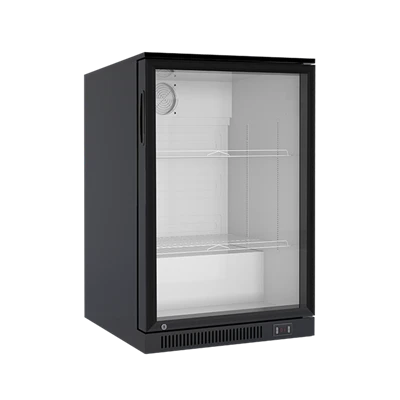
Understanding the Basics of Temperature in Refrigerated Display Cases
First and foremost, it’s essential to understand why maintaining the right temperature is so important. Refrigerated display cases are used to store perishable items such as fresh produce, dairy products, and meats. Incorrect temperatures can lead to spoilage, which not only causes financial losses but also poses a risk to consumers’ health.
The ideal temperature range for most refrigerated display cases is between 2°C and 8°C (35.6°F – 46.4°F). This range helps to slow down the growth of bacteria and other microorganisms, keeping the food fresh for a longer time. However, different types of products may require slightly different temperature settings. For example, fresh meats usually need to be stored at the lower end of this range (around 2°C – 4°C or 35.6°F – 39.2°F), while some dairy products can tolerate slightly higher temperatures.
Pre – installation Considerations for Temperature Adjustment
Before installing the refrigerated display case, there are several factors to take into account that can affect temperature regulation.
- Location: The placement of the display case matters a great deal. It should be installed in an area with good ventilation and away from direct sunlight or heat sources such as ovens, heaters, or direct sunlight. High ambient temperatures can force the refrigeration system to work harder to maintain the desired temperature inside the case. For instance, if a display case is placed near a window where it gets a lot of sunlight during the day, the internal temperature may rise, and the compressor will have to run more frequently to cool it down.
- Power Supply: Ensure that the display case is connected to a stable power supply. Fluctuations in voltage can cause the refrigeration system to malfunction, leading to inconsistent temperatures. A voltage stabilizer can be a good investment in areas with unstable power grids.
Initial Temperature Setting
Once the display case is installed, it’s time to set the initial temperature. Most modern refrigerated display cases come with digital temperature controls, which are relatively easy to use.
- Read the Manual: The first step is to carefully read the user manual that comes with the display case. The manual will provide specific instructions on how to access the temperature control settings and any initial setup procedures.
- Set the Temperature: Based on the type of products you’ll be storing, adjust the temperature settings accordingly. For example, if you’re going to display fresh fruits and vegetables, set the temperature to around 4°C – 6°C (39.2°F – 42.8°F). If it’s for dairy products, you can set it slightly higher, around 6°C – 8°C (42.8°F – 46.4°F). When making the initial adjustment, make small changes (about 1°C or 1.8°F at a time) and allow the system to stabilize for a few hours between each adjustment. This is because the refrigeration system needs time to respond to the changes and reach the new set temperature.
Monitoring and Fine – Tuning the Temperature
After the initial setting, continuous monitoring is necessary to ensure that the temperature remains stable.
- Use Thermometers: Place a reliable thermometer inside the display case. This can be either a digital or a mercury – free analog thermometer. Check the temperature at regular intervals, preferably at least twice a day. Early morning and late afternoon are good times for checking as the ambient temperature usually varies during these periods.
- Observe the Products: Notice the condition of the products stored in the case. If you see signs of spoilage, such as mold on fruits or curdling of dairy products, it could be a sign that the temperature is too high. On the other hand, if the products seem to be freezing, the temperature is too low.
- Make Fine – Tuning Adjustments: Based on the thermometer readings and the condition of the products, make small adjustments to the temperature settings as needed. If the temperature is consistently a bit higher than the desired range, lower the setting by 0.5°C – 1°C (0.9°F – 1.8°F). If it’s too low, raise the setting slightly.
Factors Affecting Temperature Fluctuations and How to Deal with Them
There are several factors that can cause temperature fluctuations in refrigerated display cases, and it’s important to be aware of them and know how to address them.
- Door Openings: Frequent door openings are one of the most common causes of temperature fluctuations. Every time the door is opened, warm air enters the case, causing the temperature to rise. To minimize this effect, encourage your staff to open the door only when necessary and to keep it open for as short a time as possible. You can also consider installing automatic door closers if the display case doesn’t have them already.
- Product Loading: Overloading the display case can restrict the airflow inside, leading to uneven temperature distribution. Make sure to leave enough space between the products to allow air to circulate freely. Also, when restocking the case, stagger the placement of new products to avoid blocking the air vents.
- Dirty Condenser Coils: The condenser coils on the back or bottom of the display case are responsible for releasing heat from the refrigeration system. If these coils get dirty, they can’t dissipate heat effectively, which can cause the compressor to overheat and the internal temperature to rise. Regularly clean the condenser coils according to the manufacturer’s recommendations, usually at least once every three months.
Seasonal Temperature Adjustments
The ambient temperature can vary significantly between seasons, and this will affect the performance of the refrigerated display case.
- Summer: During the hot summer months, the ambient temperature is high, and the refrigeration system has to work harder to maintain the desired temperature inside the case. You may need to lower the temperature setting slightly during this time. For example, if you usually set the temperature at 6°C (42.8°F), you might want to lower it to 5°C (41°F) to compensate for the increased heat load.
- Winter: In winter, when the ambient temperature is lower, the refrigeration system doesn’t have to work as hard. You can raise the temperature setting by 1°C – 2°C (1.8°F – 3.6°F) to save energy while still keeping the products at a safe temperature.
Troubleshooting Temperature Issues
Sometimes, despite your best efforts, you may encounter temperature issues with the refrigerated display case. Here are some common problems and their solutions:
- Temperature Too High:
- Check the door seals. If the seals are damaged or not closing properly, warm air can leak into the case. Replace the seals if necessary.
- Ensure that the condenser coils are clean. As mentioned earlier, dirty coils can reduce the efficiency of the refrigeration system.
- Check the compressor. If it’s not running properly, it may need to be serviced or replaced.
- Temperature Too Low:
- Check the temperature control settings to make sure they are correct.
- Inspect the defrost system. If the defrost cycle is not working properly, ice can build up on the evaporator coils, causing the temperature to drop too low.
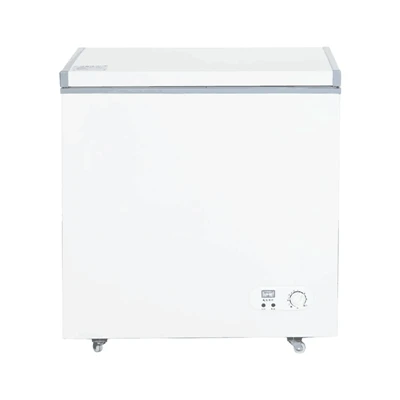
In conclusion, adjusting the temperature of refrigerated display cases is a combination of science and practical know – how. By understanding the basic principles, following the proper installation and maintenance procedures, and being vigilant about temperature monitoring, you can ensure that your display cases operate at their best, keeping your products fresh and safe.
Back Bar Cooler If you’re in the market for high – quality refrigerated display cases or need further advice on temperature adjustment and maintenance, we’re here to help. Our team of experts has years of experience in the industry and can provide you with customized solutions to meet your specific needs. Don’t hesitate to reach out to us for a purchase consultation.
References
- "Food Storage Temperature Guidelines" – USDA Food Safety and Inspection Service
- "Refrigeration Systems and Applications" – R. K. Singh and D. R. Heldman
Zhejiang Xingbao Electrical Appliances Co., Ltd.
As one of the most professional refrigerated display cases manufacturers and suppliers in China, we also support customized service. Welcome to wholesale bulk high quality refrigerated display cases in stock here from our factory. If you have any enquiry about pricelist, please feel free to email us.
Address: No. 10 Baisha Road, Lianhang Development Zone, Chang’an Town, Haining City, Jiaxing City, Zhejiang Province, China
E-mail: zjxingbao@gmail.com
WebSite: https://www.sunborncn.com/
